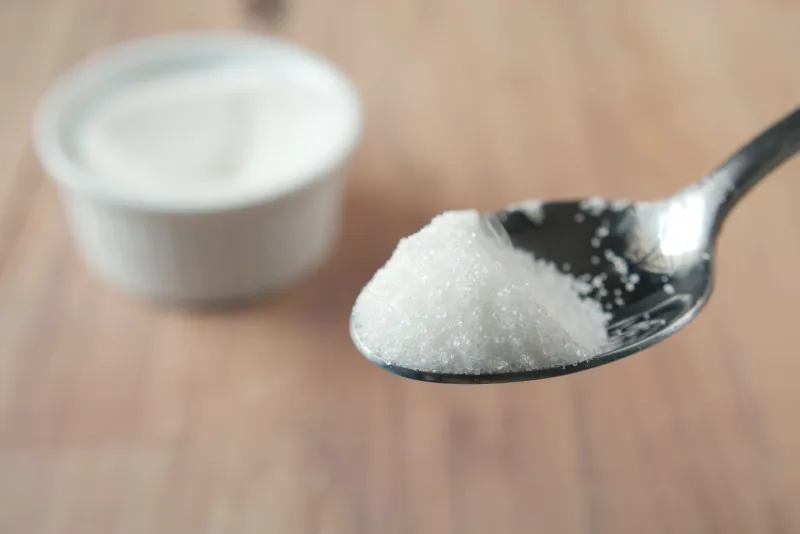
Creatine and Immune Support: What Does the Evidence Actually Say?
Creatine is one of the most researched supplements in sports nutrition, primarily known for its role in phosphocreatine resynthesis and short-duration power output. A smaller but growing body of research examines creatine immunity — whether creatine supplementation has meaningful effects on immune cell function, infection risk, and the systemic inflammation that follows intense exercise.
Immune Mechanism
The connection between creatine and immunity operates through several proposed pathways:
Energy supply to immune cells. Lymphocytes, macrophages, and neutrophils are energy-demanding cells. During rapid proliferation — such as when mounting an immune response — these cells rely heavily on ATP. Creatine, by maintaining the phosphocreatine pool, theoretically supports rapid ATP regeneration in immune cells as well as in muscle tissue.
Mitochondrial function. Creatine interacts with the mitochondrial creatine kinase system. Healthy mitochondrial function is required for optimal innate immune signalling, and creatine may help maintain mitochondrial membrane potential in immune cells under stress (Vagnozzi et al., 2007 — neural studies suggest similar mechanisms apply in other high-energy-demand cell types).
Reduction of exercise-induced inflammation. Intense training drives temporary immune suppression, sometimes called the open window hypothesis. Creatine has been shown to modulate some inflammatory markers after exercise, though the direction and magnitude of these effects vary between studies.
Infection and Illness Evidence
Direct evidence from controlled trials specifically examining infection rates in creatine users is limited. Most of what we know comes from studies measuring proxy markers:
Inflammatory markers. A study by Santos et al. (2004) found that creatine supplementation reduced levels of certain inflammatory cytokines following acute exercise compared to placebo, suggesting an anti-inflammatory effect in the acute post-exercise window.
Immune cell counts. Research in athletes has not consistently shown that creatine alters total white blood cell counts at rest, but some studies suggest maintenance of lymphocyte function during periods of high training load.
Upper respiratory illness. No large randomised controlled trial has specifically tested whether creatine reduces upper respiratory tract infection incidence in athletes. Claims that it does are not currently well-supported.
Who Benefits
The immune-related case for creatine is most plausible for:
- Athletes in heavy training phases where exercise-induced immune suppression is greatest.
- Older individuals, for whom muscle creatine content declines naturally and mitochondrial function in multiple tissue types, including immune cells, tends to decrease.
- Vegetarians and vegans, who have lower baseline muscle creatine due to the absence of dietary creatine from meat sources. These individuals tend to show the largest responses to supplementation (Lukaszuk et al., 2002).
Dose and Safety
The well-established creatine protocol involves a loading phase of around 20 g per day divided into four doses over five to seven days, followed by a maintenance dose of 3–5 g per day. For the immune context, there is no specific dosing protocol that has been validated; typical maintenance dosing is what most studies have used.
Creatine monohydrate has an extensive safety record. It is well tolerated in healthy adults at standard doses and does not adversely affect kidney function in those without pre-existing renal disease.
Popular products available at maxfit.ee include MST Creatine Micronized 500g Maitsestamata, Scitec Creatine Monohydrate 300g, and Optimum-nutrition Micronised Creatine 247,5g Apelsin. Browse the full range at /en/category/kreatiin-monohudraat. For capsule formats, Optimum-nutrition Creatine 200caps is also available.
Honest Verdict
Creatine monohydrate has real and strong evidence for performance benefits. Its immune effects are mechanistically plausible but currently lack the direct clinical trial evidence that would allow confident statements about infection prevention. The most defensible position: creatine supplementation may help blunt the temporary immune suppression that follows intense training, which benefits athletes who cannot afford sick days. It is not a substitute for adequate sleep, nutrition, and recovery — the foundations of immune resilience.
References
Santos, R. V., Bassit, R. A., Caperuto, E. C., & Costa Rosa, L. F. (2004). The effect of creatine supplementation upon inflammatory and muscle soreness markers after a 30km race. Life Sciences, 75(16), 1917-1924. https://pubmed.ncbi.nlm.nih.gov/15306159/
Lukaszuk, J. M., Robertson, R. J., Arch, J. E., & Moyna, N. M. (2002). Effect of a defined lacto-ovo-vegetarian diet and oral creatine monohydrate supplementation on plasma creatine concentration. Journal of Strength and Conditioning Research, 16(3), 451-459.
Vagnozzi, R., Signoretti, S., Tavazzi, B., Floris, R., Ludovici, A., Marziali, S., & Lazzarino, G. (2007). Temporal window of metabolic brain vulnerability to concussions: mitochondrial-related impairment — part I. Neurosurgery, 61(2), 379-389. https://pubmed.ncbi.nlm.nih.gov/17762751/
FAQ
Does creatine boost the immune system?
Creatine may help maintain immune cell energy supply and dampen some markers of exercise-induced inflammation, but it is not an immune booster in the direct sense. Think of it as a supplement that helps limit the immune suppression caused by intense training rather than one that actively enhances baseline immune function.
Is creatine safe during illness?
There is no evidence that creatine is harmful during a standard illness such as a cold or flu. However, if you are experiencing fever or serious illness, reducing training intensity is generally advisable regardless of supplement use.
Which creatine form is best for immune support?
No study has compared creatine forms specifically for immune outcomes. Creatine monohydrate remains the most researched and cost-effective form and is the appropriate choice until comparative evidence emerges.



