
Creatine Is Not Only a Muscle Supplement — It Also Affects the Brain
Creatine is one of the most studied sports nutrition compounds, known primarily as a tool for increasing muscle strength and mass. But research in recent years has revealed significant cognitive potential in creatine, based on its role in brain energy production.
The brain is the most energy-intensive organ in the body — making up only 2% of body weight, it consumes up to 20% of the body's total energy. The primary energy currency is ATP (adenosine triphosphate). Creatine phosphate acts as a rapid ATP replenishment reserve, which is particularly important during intense cognitive activity.
Why Is Brain Creatine Especially Important?
Creatine as a substrate supports the phosphocreatine system in brain cells. Therefore:
- During high mental load (learning, problem-solving), phosphocreatine is the fastest way to replenish ATP
- Low creatine levels are linked to declining cognitive performance
- On vegan diets, muscle and brain creatine levels are often 15–20% lower (dietary creatine comes from meat and fish)
Scientific Evidence
Memory and processing speed. A systematic review of 6 studies found that creatine supplementation improved short-term memory and intelligence/mental task performance, particularly under fatigue and sleep deprivation (Avgerinos et al., 2018).
Vegans and vegetarians. A placebo-controlled trial showed that 5 g of creatine daily for 6 weeks improved memory and intelligence tests in vegetarians with lower baseline creatine levels. The effect was more pronounced than in meat-eaters (Rae et al., 2003).
Sleep deprivation. A study found that creatine supplementation reduced the impact of brain depletion from sleep deprivation — cognitive performance was better maintained after 24 hours of sleep deprivation (McMorris et al., 2007).
Emotional processing. Some studies have found associations between creatine levels and mood stability, though this area requires further investigation.
Creatine for Cognition vs Muscles: Does the Dose Differ?
| Goal | Recommended dose | Loading phase? |
|---|---|---|
| Muscles | 3–5 g/day | Optional |
| Cognition | 3–5 g/day | Not required |
| Sleep deprivation buffering | 20 g/day (short term) | In some studies |
Most cognitive studies use the same 3–5 g daily dose as muscle studies. So if you are already taking creatine for sport, you are receiving the same cognitive benefits.
Products at maxfit.ee
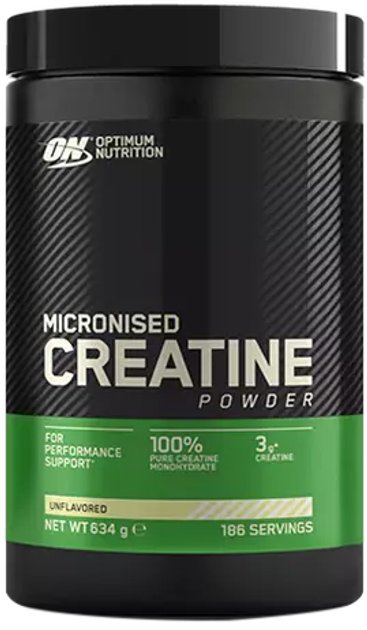 Optimum Nutrition Micronised Creatine€36.90 In stock 247.5g Blue Raspberry, MST Creatine Monohydrate 3400mg 90caps, and
 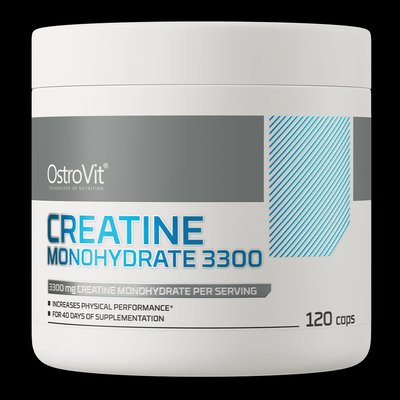 OstroVit Creatine Monohydrate€11.90 In stock 3300mg 120caps are all in stock and suitable for both muscle and cognitive support goals. Also consider MyProtein Impact Creatine 500g — a high-volume, economical option.
Find creatine products at /en/category/kreatiin and brain supplements at /en/category/energia-ja-aju.
Creatine and Other Nootropics
Creatine combines well with other cognitive compounds:
- Creatine + DHA omega-3: both support brain energetics and structure, especially under stress
- Creatine + caffeine: some studies suggest caffeine may reduce creatine's muscle effect, but this may not apply to cognitive effects
- Creatine + bacopa: long-term cognitive support combining an energy substrate and an adaptogen
Who Benefits Most from Creatine's Cognitive Effects?
- Vegans and vegetarians: baseline creatine levels are often low
- Students during exam periods: cognitive decline from sleep deprivation
- Older adults: brain creatine metabolism declines with age
- People who work intensively: long work hours deplete brain ATP stores
Safety
Creatine monohydrate is one of the most studied and safe supplements. Typical side effects include water retention (in muscles) and, rarely, digestive upset. If you have kidney concerns, consult a doctor.
Note: creatine is not a stimulant — it does not cause jitters, elevated heart rate, or dependency.
Conclusion
Creatine is one of the most evidenced supplements for both muscle mass and cognitive performance support. Its unique mechanism — rapid ATP replenishment — matters in both muscles and the brain. Creatine monohydrate at 3–5 g per day is an affordable, safe, and effective way to optimise both the body and mind. Especially recommended for vegans and those suffering from sleep deprivation.
References
- Avgerinos, K. I., Spyrou, N., Bougioukas, K. I., & Kapogiannis, D. (2018). Effects of creatine supplementation on cognitive function of healthy individuals: a systematic review of randomized controlled trials. Experimental Gerontology, 108, 166–173.
- Rae, C., Digney, A. L., McEwan, S. R., & Bates, T. C. (2003). Oral creatine monohydrate supplementation improves brain performance: a double-blind, placebo-controlled, cross-over trial. Proceedings of the Royal Society B, 270(1529), 2147–2150.
- McMorris, T., Harris, R. C., Howard, A. N., Langridge, G., Hall, B., Corbett, J., & Dye, L. (2007). Creatine supplementation, sleep deprivation, cortisol, melatonin and behaviour. Physiology & Behavior, 90(1), 21–28.
- Rawson, E. S., & Venezia, A. C. (2011). Use of creatine in the elderly and evidence for effects on cognitive function in young and old. Amino Acids, 40(5), 1349–1362.
FAQ
Does creatine affect the brain immediately?
No — unlike caffeine, creatine does not produce an immediate cognitive boost. It gradually replenishes brain creatine stores, which takes 2–4 weeks. Long-term use delivers cumulative benefits.
Is a loading phase necessary for cognitive effects?
Most studies use a 3–5 g daily dose without a loading phase, and this is effective. A loading phase (20 g/day for 5–7 days) speeds up the filling of creatine stores but is not required.
Is creatine suitable for women?
Yes, absolutely. Women receive the same cognitive and muscle benefits. Some research even suggests that creatine's cognitive effects may be particularly notable for women during the menopausal period.



