
How to Maximize Creatine Absorption
Creatine monohydrate is one of the most studied ergogenic supplements in sports nutrition. Yet a common question persists: does it matter how and when you take it? The answer is a qualified yes — certain co-factors and timing strategies can improve muscle creatine uptake, though the differences are modest compared with simply taking creatine consistently.
What Limits Creatine Absorption
Creatine is absorbed from the gut via sodium-dependent creatine transporters (CreaT). These transporters are saturable — meaning after a certain threshold of plasma creatine, uptake slows. The muscle creatine stores themselves are also finite, typically reaching saturation after four to six weeks of consistent supplementation regardless of loading protocol used.
The rate-limiting factor for most people is not poor gut absorption per se but rather muscle transporter expression. Training itself upregulates CreaT expression in skeletal muscle, which is one reason creatine shows greater ergogenic effects in exercising individuals compared to sedentary controls.
Cofactors That Help
Carbohydrates and Insulin
Insulin stimulates creatine uptake in skeletal muscle via a mechanism that is independent of, but additive to, the sodium-transporter pathway. A classic study demonstrated that co-ingesting creatine with a substantial carbohydrate dose led to greater muscle creatine retention compared with creatine alone (Green et al., 1996). The practical implication is to take creatine with a carbohydrate-containing meal or drink, particularly post-workout when muscle insulin sensitivity is elevated.
Combining Carbohydrates with Protein
Combining creatine with both carbohydrate and protein — as in a post-workout meal — may further enhance uptake compared with carbohydrate alone, possibly through a greater insulin response. Taking your creatine alongside a protein shake and banana, for instance, is a practical implementation of this.
Form and Timing Effects
Creatine monohydrate remains the gold standard form. Despite marketing claims, no other creatine form has been shown to produce greater muscle creatine accumulation per gram consumed in well-controlled trials. Micronised creatine monohydrate — such as MST Creatine Micronized 500g Maitsestamata or Optimum-nutrition Micronised Creatine 247,5g Apelsin — dissolves more completely in water, which may aid stomach tolerance in some individuals without altering absorption meaningfully.
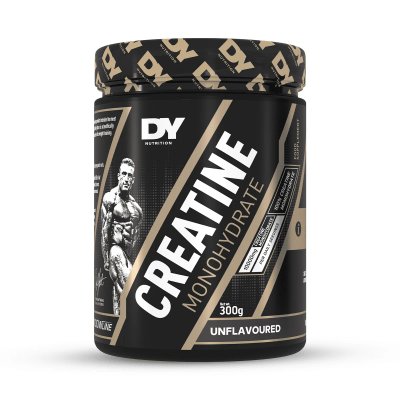 DY Creatine Monohydrate€24.90 In stock 300g and
 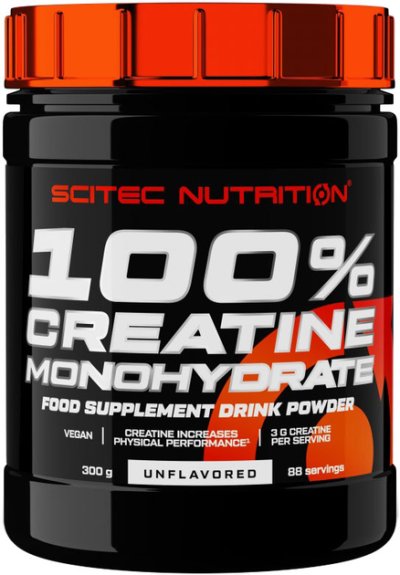 Scitec Creatine Monohydrate€25.90 In stock 300g are straightforward monohydrate options. For those preferring capsule form, Optimum-nutrition Creatine 200caps offers convenient daily dosing.
Regarding timing: post-workout creatine supplementation has been associated with slightly greater gains in lean mass compared to pre-workout timing in some short-term trials, though the effect size is small. Consistency matters more than precise timing.
Food Pairings
Practical food pairings that support creatine uptake:
- Oats or rice — provide carbohydrates that stimulate insulin release.
- Fruit (banana, mango) — fast-digesting carbohydrates with moderate insulin response.
- Whole milk or yoghurt — carbohydrate plus protein; convenient post-workout option.
- Avoid high-caffeine at the same moment — some early research suggested caffeine might blunt the ergogenic effect of creatine when taken simultaneously, though more recent evidence is inconclusive. A safe approach is to separate caffeine and creatine by one to two hours if you are sensitive to this interaction.
Practical Tips
- Take creatine with your largest carbohydrate-containing meal or post-workout — this leverages insulin-mediated uptake.
- Stay well hydrated — creatine draws water into muscle cells; adequate fluid intake supports this process and reduces risk of gastrointestinal discomfort.
- Be consistent — muscle creatine saturation takes several weeks. Missing days matters more than perfect timing.
- A loading phase is optional — starting with a maintenance dose (around 3–5 g per day) reaches saturation more slowly (four to six weeks) but reaches the same endpoint as a loading protocol.
- Micronised forms mix better — if gastrointestinal comfort is a concern, micronised monohydrate or creatine in capsule form may be preferable.
Explore creatine options at maxfit.ee/et/category/kreatiin-monohudraat or capsule forms at /et/category/kreatiin-kapslites.
FAQ
Does creatine need to be loaded?
No. A loading phase saturates muscle stores faster (about one week) compared to a steady maintenance dose (four to six weeks), but both approaches reach the same endpoint. Loading is optional and mainly useful when you want faster results.
Will creatine cause water retention and bloating?
Creatine does cause intracellular water retention in muscle, which can add one to two kilograms to scale weight during initial supplementation. This is intramuscular — not subcutaneous — water and is considered a performance benefit, not cosmetic bloating. Gastrointestinal discomfort is reduced with adequate water intake and smaller, divided daily doses.
Is creatine HCl or buffered creatine better than monohydrate?
Creatine HCl dissolves readily in water and may require a smaller serving size, but no peer-reviewed trial has shown superior muscle creatine accumulation compared with monohydrate at equivalent absorbed doses. Monohydrate remains the most cost-effective and best-evidenced form.
References
Green, A. L., Hultman, E., Macdonald, I. A., Sewell, D. A., & Greenhaff, P. L. (1996). Carbohydrate ingestion augments skeletal muscle creatine accumulation during creatine supplementation in humans. American Journal of Physiology, 271(5 Pt 1), E821–E826.
Branch, J. D. (2003). Effect of creatine supplementation on body composition and performance: a meta-analysis. International Journal of Sport Nutrition and Exercise Metabolism, 13(2), 198–226. https://pubmed.ncbi.nlm.nih.gov/12945830/
Kreider, R. B., Kalman, D. S., Antonio, J., Ziegenfuss, T. N., Wildman, R., Collins, R., ... & Lopez, H. L. (2017). International Society of Sports Nutrition position stand: safety and efficacy of creatine supplementation in exercise, sport, and medicine. Journal of the International Society of Sports Nutrition, 14, 18. https://pubmed.ncbi.nlm.nih.gov/28615996/



