
Two Essential Minerals in a Delicate Dance
Copper and zinc are both essential trace minerals, yet they exist in a state of biological competition. Both are absorbed in the small intestine via shared transport proteins — primarily metallothionein — meaning high intakes of one directly suppress absorption of the other (Lönnerdal, 2000).
This antagonism matters enormously for anyone who supplements, because zinc is one of the most widely taken single minerals — and chronic high-dose zinc is the leading supplemental cause of copper deficiency.
What Copper Does
- Energy metabolism — cytochrome c oxidase in the mitochondrial electron transport chain is a copper enzyme
- Iron mobilisation — caeruloplasmin helps release stored iron; copper deficiency mimics iron-deficiency anaemia
- Connective tissue formation — collagen cross-linking and elastin synthesis require copper-dependent lysyl oxidase
- Neurotransmitter synthesis — dopamine and norepinephrine production depends on copper-containing enzymes
- Antioxidant defence — Cu/Zn superoxide dismutase (SOD) is a frontline antioxidant enzyme
What Zinc Does
- Immune function — thymulin and thymic development depend on zinc; deficiency impairs T-cell maturation
- Wound healing — required for cell division, protein synthesis, and collagen production
- Taste and smell — zinc deficiency causes ageusia (loss of taste) and anosmia
- Male health — testosterone biosynthesis and sperm quality decline with deficiency
- Insulin stability — zinc co-crystallises with insulin in pancreatic beta cells
- Catalytic cofactor for more than 300 enzymes
The Right Copper:Zinc Ratio
Research supports a copper-to-zinc ratio of approximately 1:8 to 1:15. As a practical guide:
| Zinc Dose | Recommended Copper |
|---|---|
| 15 mg/day | 1–2 mg/day |
| 25–30 mg/day | 2–3 mg/day |
| 40–50 mg/day | 3–4 mg/day |
Prolonged supplementation with zinc above 40 mg/day without copper co-supplementation is the most common supplemental cause of copper deficiency (Fosmire, 1990).
Signs of Imbalance
Copper Deficiency (often from excess zinc)
- Anaemia unresponsive to iron supplementation
- Neurological symptoms — tingling, numbness in limbs, poor coordination
- Osteoporosis from impaired collagen cross-linking
- Elevated LDL cholesterol
- Fatigue and persistent weakness
Zinc Deficiency
- Frequent infections and prolonged illness
- Slow wound healing
- Loss of taste and smell
- Reduced testosterone in men
- Dry skin, acne, eczema-like rashes
Dietary Sources
Copper-rich foods:
- Liver (beef, chicken): 10–15 mg per 100 g
- Oysters and shellfish: 4–5 mg per 100 g
- Nuts and seeds (cashews, sunflower): 1–3 mg per 100 g
- Legumes and dark chocolate
Zinc-rich foods:
- Oysters: 74 mg per 100 g (the richest source)
- Red meat and poultry: 5–7 mg per 100 g
- Pumpkin seeds: 7–8 mg per 100 g
- Whole grains (phytate reduces absorption)
Smart Supplementation
If you take a standalone zinc supplement at higher doses, you need to ensure copper intake is not being compromised.
At maxfit.ee, OstroVit ZMAdvanced 160g offers a ZMA-style formula combining zinc, magnesium, and vitamin B6 — a good baseline for athletes. For a broader mineral spectrum that includes both zinc and copper in balanced amounts, BIOTECHUSA Multi Mineral Complex 100tab is a practical choice. 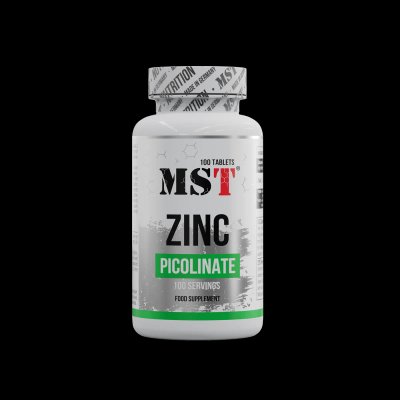 MST Zinc Picolinate€13.90 In stock 100tabs and NOW Zinc Picolinate€16.90 In stock 50mg 120 veg. caps. are highly bioavailable standalone zinc options — if using these at higher doses, ensure copper is sourced from diet or a separate multi.
FAQ
Can I take copper and zinc at the same time?
Yes, in balanced amounts — but taking them an hour apart reduces direct absorption competition. Morning zinc and afternoon copper is a practical approach.
Do ZMA supplements contain copper?
Most ZMA formulas do not include copper. If you use ZMA regularly, check whether your multivitamin covers copper, or add a small copper supplement (1–2 mg) separately.
Why does zinc cause copper deficiency?
Both minerals compete for metallothionein in intestinal cells. High zinc intake upregulates metallothionein production; this protein binds copper preferentially, trapping it in intestinal cells where it cannot reach the bloodstream.
Food Sources: Meeting Both Needs Naturally
The most reliable approach is a varied whole-food diet that covers both copper and zinc:
Copper-rich choices:
- Beef or chicken liver: 10–15 mg per 100 g — the single richest dietary copper source
- Oysters and octopus: 4–5 mg per 100 g
- Cashews and sunflower seeds: 1.5–2 mg per 100 g
- Dark chocolate (70%+ cacao): ~1.5 mg per 100 g
Zinc-rich choices:
- Pumpkin seeds: 7–8 mg per 100 g (excellent plant-based option)
- Beef and lamb: 5–7 mg per 100 g
- Oats: 3 mg per 100 g
- Whole-grain bread and rice: 1–3 mg per 100 g
Recovery and the Copper–Zinc Connection
Intense training damages muscle fibres and triggers an inflammatory cascade — and every stage of the recovery process depends on both minerals. Zinc activates immune cell signalling molecules that regulate inflammation resolution. Copper, via superoxide dismutase (SOD), neutralises reactive oxygen species generated in mitochondria during intense effort.
Athletes training at high intensity have elevated requirements for both minerals — particularly if following a high-protein diet low in natural copper sources (liver, shellfish). Tracking copper alongside zinc becomes especially relevant during heavy training blocks or competition preparation.
For those looking for a practical combined solution, OstroVit ZMAdvanced 160g and BIOTECHUSA Multi Mineral Complex 100tab available at maxfit.ee provide structured multi-mineral coverage that takes the guesswork out of mineral balance.
References
- Lönnerdal, B. (2000). Dietary factors influencing zinc absorption. Journal of Nutrition, 130(5), 1378S–1383S.
- Fosmire, G. J. (1990). Zinc toxicity. American Journal of Clinical Nutrition, 51(2), 225–227.
- Turnlund, J. R. (1998). Human whole-body copper metabolism. American Journal of Clinical Nutrition, 67(5), 960S–964S.
- Prasad, A. S. (2008). Zinc in human health: effect of zinc on immune cells. Molecular Medicine, 14(5–6), 353–357.
- Maret, W., & Sandstead, H. H. (2006). Zinc requirements and the risks and benefits of zinc supplementation. Journal of Trace Elements in Medicine and Biology, 20(1), 3–18.



