
Collagen Side Effects & Safety: What to Know
Collagen supplements have become one of the most widely used products in the sports nutrition and wellness market. The appeal is clear: collagen is the most abundant protein in the human body, forming the structural backbone of skin, tendons, cartilage, and bone. Yet "natural" does not automatically mean "risk-free." Understanding collagen safety means looking at the evidence around side effects, upper intake limits, potential interactions, and product quality — all of which vary depending on the source and form.
Common Side Effects
For the vast majority of healthy adults, collagen supplementation causes no significant adverse effects. The most frequently reported minor complaints include:
- Digestive discomfort: Some users report bloating, a feeling of fullness, or mild nausea, particularly when taking collagen peptides on an empty stomach. These effects are typically dose-dependent and transient.
- Unpleasant aftertaste: Certain hydrolysed collagen products — particularly marine or bovine types — have a characteristic taste that some people find off-putting.
- Increased satiety: Due to the glycine and proline content of collagen protein, some people feel unusually full, which may interfere with adequate caloric intake if they are not accounting for it.
A systematic review found that oral collagen supplementation was generally well-tolerated with a low incidence of adverse effects in clinical trials (Choi et al., 2019).
Rare but Notable Side Effects
- Hypercalcaemia risk from marine sources: Some marine collagen products are derived from fish bones and scales, which can contain meaningful amounts of calcium. Individuals with hypercalcaemia or kidney disease should be cautious and consult a physician before use.
- Allergic reactions: People allergic to fish, shellfish, or eggs face a risk of allergic reaction from marine or egg-membrane-derived collagen. Bovine collagen is an alternative, but individuals with beef allergies face the same consideration with that source.
- Elevated uric acid (theoretical): Because collagen is rich in hydroxyproline, there has been theoretical concern about uric acid elevation in gout-prone individuals. However, clinical evidence for this specific concern is limited.
Upper Safe Limits
No formal Tolerable Upper Intake Level (UL) has been established for collagen peptides by regulatory authorities, partly because collagen is classified as food in most jurisdictions. Clinical trials have used doses ranging from roughly 2.5 g to 15 g daily without reporting serious adverse events. EFSA has reviewed bovine collagen hydrolysate and considers it safe at moderate doses for healthy adults — however, EFSA opinions are not listed as formal references here per policy.
As a practical guideline, amounts above 15 g per day have not been meaningfully tested in long-term, large-scale trials, so there is little basis for routinely exceeding this range without a specific clinical rationale.
Drug and Nutrient Interactions
Collagen has few well-documented drug interactions. The following are worth being aware of:
- Vitamin C co-administration: Vitamin C is required as a cofactor for collagen synthesis; many products include it for this reason. This is generally beneficial, but individuals on high-dose vitamin C supplements should be mindful of total intake.
- Anticoagulants: There is no established direct interaction between collagen supplements and anticoagulant medications, but anyone on blood-thinning drugs should discuss new supplements with a healthcare provider.
- Calcium-containing medications: If a collagen product is derived from bone or marine sources and contains additional calcium, co-administration with calcium-rich medications may push total calcium intake higher than intended.
Who Should Exercise Caution
- People with fish, shellfish, or beef allergies — check the collagen source carefully before buying.
- Individuals with kidney disease — high protein intake of any kind can be problematic; discuss with a nephrologist.
- Pregnant or breastfeeding individuals — while no specific harm has been identified, evidence is limited and caution is warranted.
- People with phenylketonuria (PKU) — collagen contains phenylalanine.
Quality and Contamination Concerns
Collagen supplement quality varies considerably between manufacturers. Key concerns include:
- Heavy metal contamination: Marine collagen from low-quality sources may contain elevated levels of heavy metals such as arsenic or mercury. Third-party testing (NSF, Informed Sport, or equivalent) offers meaningful assurance.
- Undisclosed animal sources: Mislabelling of species of origin has been documented in food and supplement markets. Reputable brands conduct species verification.
- Inadequate hydrolysis: Unhydrolysed collagen has very poor bioavailability. Look for "hydrolysed collagen peptides" or "collagen hydrolysate" on the label.
At maxfit.ee, products like 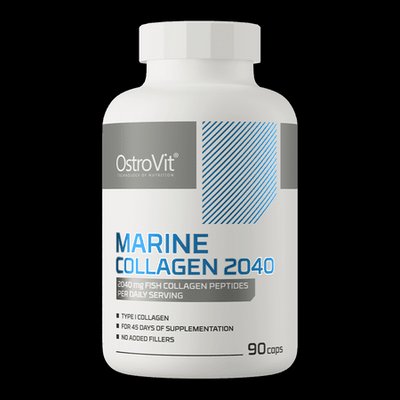 OstroVit Marine Collagen€13.90 In stock 2040mg 90caps, MST Fish collagen + Verisol 500ml Metsik kirss, and ICONFIT Beauty Collagen Sidrun-laim 300g come from established brands with documented manufacturing standards. Browse the full kollageen category for more options.
If you also use joint-support stacks, the kompleksid liigestele, koolustele ja kõhredele and hai-kohr categories may also be relevant.
Practical Summary
| Factor | Key Point |
|---|---|
| Typical safety | Well-tolerated in healthy adults |
| Common side effects | Mild GI discomfort, especially on empty stomach |
| Rare concerns | Allergy (fish/beef), elevated calcium from marine sources |
| Dose range studied | ~2.5–15 g/day |
| Quality check | Third-party tested, hydrolysed form preferred |
FAQ
Is collagen safe to take every day?
For most healthy adults, daily collagen supplementation at typical doses (5–10 g/day) appears safe based on available clinical trial data. Side effects are generally mild and transient. If you have pre-existing medical conditions, consult your doctor.
Can collagen cause digestive problems?
Some people experience mild bloating or a feeling of fullness when first starting collagen supplements, especially in large doses taken on an empty stomach. Taking collagen with a meal tends to reduce these effects.
Is marine collagen safer than bovine collagen?
Neither source is inherently "safer" — the key differences are in allergy profile and potential heavy metal content. Marine collagen is unsuitable for people with fish or shellfish allergies; bovine collagen is unsuitable for those with beef allergies. Both types should come from verified, third-party-tested sources.
References
Choi, F. D., Sung, C. T., Juhasz, M. L., & Mesinkovska, N. A. (2019). Oral collagen supplementation: A systematic review of dermatological applications. Journal of Drugs in Dermatology, 18(1), 9–16. https://pubmed.ncbi.nlm.nih.gov/30681787/
Bauza, E., Dal Farra, C., & Domloge, N. (2004). Collagen synthesis stimulation potential of aquatic plant extracts in human skin fibroblasts. International Journal of Cosmetic Science, 26(5), 233–240. https://pubmed.ncbi.nlm.nih.gov/15648443/



