Signs You Need Collagen: Deficiency and Who Benefits
Collagen is the most abundant protein in the human body, making up roughly a third of total protein content. It forms the structural scaffold of skin, tendons, ligaments, cartilage, and bone. Unlike iron or vitamin D, there is no standardised blood test for "collagen deficiency" — collagen production simply declines with age and is depleted by several dietary and lifestyle factors. Understanding the signs of collagen deficiency and who stands to benefit most from supplementation can help you make an informed decision.
Deficiency Symptoms
Because collagen is so widespread in connective tissues, declining production manifests across multiple systems:
Skin changes: Reduced skin elasticity and increased fine lines are among the earliest visible signs. A randomised trial by Proksch et al. (2014) found that oral collagen peptide supplementation significantly improved skin elasticity over 4 and 8 weeks compared to placebo. Loss of dermal collagen accelerates in the years following reduced sun exposure and after menopause.
Joint discomfort and reduced mobility: Cartilage is predominantly type II collagen. As collagen production falls, cartilage thins and becomes less resilient. Athletes and older adults often notice increased joint stiffness, particularly in the knees and hips.
Slow wound and tendon healing: Collagen is the primary material in wound repair. Slow healing of cuts, bruises, or ligament micro-tears may indicate insufficient collagen synthesis capacity, often compounded by low vitamin C status.
Nail brittleness and hair texture changes: Collagen provides a structural matrix around hair follicles and supports nail plate formation. Thin, brittle nails and dry, fragile hair can be partial indicators, though many other factors also contribute.
At-Risk Groups
Certain populations are more likely to have compromised collagen synthesis:
- Adults over 30: Collagen synthesis declines measurably from early adulthood — this is a normal physiological process rather than a disease state.
- Postmenopausal women: Oestrogen plays a role in maintaining collagen production. Research shows a notable reduction in dermal collagen in the years after menopause.
- Smokers: Smoking impairs collagen synthesis and accelerates breakdown via oxidative stress.
- People with low vitamin C intake: Vitamin C is an obligate co-factor for collagen cross-linking. Without adequate C, even if collagen peptide precursors are available, fibrils cannot form properly.
- Athletes with high tendon/joint load: Heavy training generates microtrauma in tendons; higher collagen turnover means higher baseline need.
- Vegetarians and vegans: Animal-derived collagen from skin, bone broth, and cartilage-rich foods is absent from plant-based diets, and plant foods provide no preformed collagen.
How Is It Assessed?
There is no single validated blood test for collagen deficiency as a clinical entity. Assessment is typically indirect:
- Skin elasticity measurements (cutometry)
- Imaging of cartilage thickness (ultrasound or MRI for joints)
- Markers of collagen synthesis or degradation (procollagen markers, urine hydroxyproline) used in research settings
- Clinical history: pattern of symptoms, age, diet, lifestyle
If joint or skin concerns are significant, a physician or dermatologist is the appropriate first contact.
Nordic and Estonian Context
Nordic populations, including Estonians, face specific collagen-related challenges. UV radiation — a driver of vitamin D synthesis and a factor in skin collagen turnover — is low during the long winter months. Low dietary vitamin C is also a concern in diets heavy in processed foods. Additionally, traditional Estonian cuisine has historically included collagen-rich foods (bone broths, pork skin, herring) that are increasingly absent from modern urban diets, potentially widening the gap between dietary collagen exposure and physiological need.
When to Supplement vs Rely on Diet
Dietary collagen comes primarily from animal products: skin, bone broth, cartilage, and gelatin. These sources provide glycine-rich peptides that support endogenous collagen synthesis. However, for most urban adults consuming processed food and little cartilage-rich food, dietary collagen intake is well below what trials use.
Supplementation with hydrolysed collagen peptides is a practical solution. Products such as MST Collagen for joints Fortigel 500ml Ananass and OstroVit Collagen + Vitamin C 400g Ananass provide bioactive peptides paired with vitamin C at maxfit.ee. ICONFIT Beauty Collagen Sidrun-laim 300g is another well-rated option. 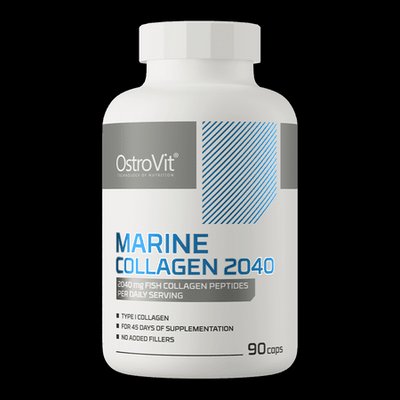 OstroVit Marine Collagen€13.90 In stock 2040mg 90caps offers a marine-sourced alternative.
For joint-specific support, 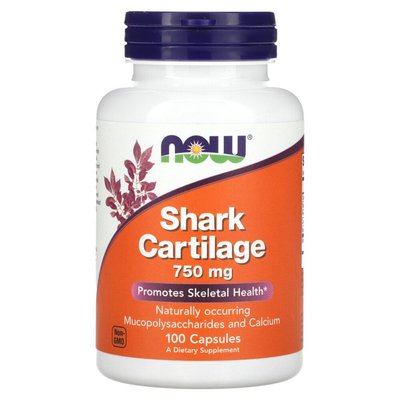 NOW Shark Cartilage€24.90 In stock 750mg 100caps provides type II collagen-rich cartilage. Explore the full collagen range, shark cartilage products, and joint complex supplements at maxfit.ee.
FAQ
Is there a blood test for collagen deficiency?
No standardised clinical blood test exists for diagnosing collagen deficiency. Research studies use markers such as serum procollagen type I propeptide, but these are not routine clinical tests. Diagnosis is largely clinical, based on symptoms, age, and dietary history.
How much collagen should I take daily?
Trials showing skin and joint benefits have typically used doses ranging from 2.5 g to 10 g of hydrolysed collagen peptides per day. These are product-specific dosing amounts — check the label of your chosen product for the recommended serving size.
Can food alone prevent collagen decline?
A diet rich in glycine, proline, vitamin C, zinc, and copper — the building blocks and co-factors for collagen synthesis — can support endogenous production. Bone broth, cartilage, fish skin, and egg whites are traditionally rich sources. However, the measurable decline with age is partly intrinsic and cannot be fully reversed by diet alone.
References
Proksch, E., Segger, D., Degwert, J., Schunck, M., Zague, V., & Oesser, S. (2014). Oral supplementation of specific collagen peptides has beneficial effects on human skin physiology: a double-blind, placebo-controlled study. Skin Pharmacology and Physiology, 27(1), 47–55. https://pubmed.ncbi.nlm.nih.gov/23949208/
Bauza, E., Oberto, G., Berghi, A., Dal Farra, C., & Domloge, N. (2004). Collagen-like synthetic peptides: evaluation of their stimulating effect on extracellular matrix components produced by human fibroblasts. Skin Pharmacology and Physiology, 17(2), 76–82.
Aliabbasi, H., Salehi, A., Smaili, S., & Abdollahi, A. (2022). The effects of collagen supplementation on skin aging: a systematic review. International Journal of Clinical Practice, 76(1), e14740.



