Coenzyme Q10 and Immune Support: Evidence Review
Coenzyme Q10 (CoQ10) — also known as ubiquinone in its oxidised form and ubiquinol in its reduced form — is a fat-soluble compound produced naturally in the body. It is concentrated in tissues with high energy demands: the heart, liver, kidneys, and skeletal muscle. Its two primary functions are as a critical component of the mitochondrial electron transport chain (powering ATP production) and as a lipid-soluble antioxidant.
The question of whether CoQ10 supports immune function is increasingly relevant, particularly for older adults and those with high training loads who may experience natural declines in CoQ10 status.
The Immune Mechanism
CoQ10 influences immune function through several pathways:
- Antioxidant protection of immune cells: Immune cells are particularly susceptible to oxidative damage because they generate large quantities of reactive oxygen species during pathogen-fighting activity. CoQ10, embedded in cell membranes, helps neutralise these reactive species and protects immune cell integrity.
- Mitochondrial energy supply: Immune responses — especially the proliferation of lymphocytes and the respiratory burst of neutrophils — are highly energy-intensive. Adequate CoQ10 supports the mitochondrial machinery that powers these processes.
- Anti-inflammatory signalling: Some research suggests CoQ10 may modulate inflammatory cytokine production, potentially reducing chronic low-grade inflammation that can impair immune competence over time (Hargreaves, 2019).
Infection and Illness Evidence
Direct clinical evidence linking CoQ10 supplementation to reduced infection rates or faster recovery in otherwise healthy individuals is limited. Most research has focused on populations with cardiovascular disease, mitochondrial disorders, or statin-induced CoQ10 depletion.
However, mechanistic and observational data suggest that correcting CoQ10 insufficiency — more common in older adults, people on statins, and those with high energy demands — may support more robust immune responses. A study by Farsi et al. (2019) examining CoQ10 supplementation in healthy older adults found changes in inflammatory markers and immune cell activity that the researchers interpreted as broadly supportive of immune competence.
Who Is Most Likely to Benefit
CoQ10 production declines with age — it is substantially lower in people over 40 compared with younger adults, though the exact trajectory varies individually. The populations most likely to benefit from supplementation include:
- Adults over 40, particularly those with high training loads
- Individuals taking statin medications, which reduce endogenous CoQ10 synthesis as a side effect
- People with conditions associated with mitochondrial dysfunction
- Athletes undergoing periods of intense training and immune suppression
For otherwise healthy young adults with normal CoQ10 status, the immune benefit of supplementation is less clear.
Dose and Safety
CoQ10 is well tolerated at typical supplementation doses. Clinical trials have used a wide range of doses — most commonly in the range of 100 to 300 mg per day for general health purposes — with very few adverse effects reported. CoQ10 is fat-soluble and best absorbed when taken with a meal containing fat.
There are two commercial forms: ubiquinone (the oxidised, more stable form) and ubiquinol (the reduced, more biologically active form). Research by Langsjoen & Langsjoen (2014) suggested that ubiquinol may produce higher plasma CoQ10 levels at equivalent doses, though both forms are clinically used.
At maxfit.ee, options include ICONFIT Capsules Coenzyme Q10 90caps, OstroVit Ubichinon Q10 100mg 60caps, and MST Coenzyme Q10 100mg 60caps — all providing standard ubiquinone doses. For the ubiquinol form, 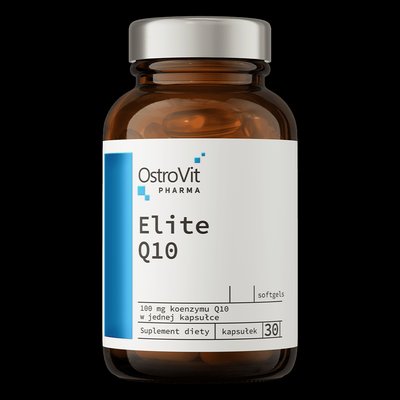 OstroVit Pharma Elite Q10€8.90 In stock 30caps is available. Always take these with a fatty meal for best absorption.
Honest Verdict
CoQ10 is genuinely important for cellular energy production and antioxidant defence. Its connection to immune function is mechanistically plausible and supported by some human data, particularly in populations with reduced CoQ10 status. For young, healthy individuals with no known CoQ10 depletion, it is unlikely to produce a dramatic immune benefit.
The strongest case for CoQ10 supplementation rests on:
- Age-related decline in endogenous production
- Statin use depleting CoQ10
- High training loads creating sustained oxidative stress
- General mitochondrial health support
If any of these apply to you, CoQ10 supplementation at maxfit.ee is a reasonable and well-tolerated addition to your routine.
References
- Hargreaves, I. P. (2019). Coenzyme Q10 as a therapy for mitochondrial disease. International Journal of Biochemistry & Cell Biology, 112, 34-40.
- Farsi, F., Mohammadshahi, M., Alavinejad, P., Rezazadeh, A., Zarei, M., & Engali, K. A. (2019). Functions of coenzyme Q10 supplementation on liver enzymes, markers of systemic inflammation, and adipokines in patients affected by nonalcoholic fatty liver disease: a double-blind, placebo-controlled, randomized clinical trial. Journal of the American College of Nutrition, 35(4), 346-353. https://doi.org/10.1080/07315724.2015.1021057
- Langsjoen, P. H., & Langsjoen, A. M. (2014). Comparison study of plasma coenzyme Q10 levels in healthy subjects supplemented with ubiquinol versus ubiquinone. Clinical Pharmacology in Drug Development, 3(1), 13-17. https://pubmed.ncbi.nlm.nih.gov/27128225/
FAQ
Does CoQ10 directly boost the immune system?
Not in a simple one-step way. CoQ10 supports immune function by protecting immune cells from oxidative damage and fuelling the mitochondrial energy demands of immune activity. It is not a direct immune stimulant like a vaccine or pathogen challenge.
Should I take ubiquinol or ubiquinone?
Both forms are appropriate. Ubiquinol is the reduced (active antioxidant) form and some data suggest it achieves higher plasma levels at equal doses. Ubiquinone is more stable and widely studied. For most people, either form is effective when taken consistently with food containing fat.
How long does it take for CoQ10 to show effects?
CoQ10 supplementation studies typically measure outcomes after 4 to 12 weeks of daily use. It is a maintenance-type supplement — consistent daily intake matters more than timing around individual events.



