Nitric Oxide — The Foundation of Pump and Performance
Pump supplements work primarily by increasing nitric oxide (NO) production. Nitric oxide is a molecule that dilates blood vessels (vasodilation), increasing blood flow to muscles. The two main NO precursors in the supplement world are L-arginine and L-citrulline.
L-Arginine — The Classic NO Precursor
Arginine is a semi-essential amino acid that the body can produce, but often not enough for intense training. Arginine is the direct substrate for nitric oxide synthesis — it is converted into NO by the enzyme NOS (nitric oxide synthase).
Problems with arginine:
- Poor oral bioavailability — orally consumed arginine is extensively metabolised by the liver (first-pass effect)
- Short half-life — blood arginine levels drop quickly
- Gastrointestinal side effects — large doses can cause diarrhoea and nausea
- Large doses required — 3–6 g or more needed for meaningful oral effects
Research shows that even 6–8 g of oral arginine raises plasma arginine levels only modestly, as a large proportion is metabolised in the gut and liver before reaching the bloodstream (Bode-Böger et al., 1998).
L-Citrulline — A Better Route to Nitric Oxide
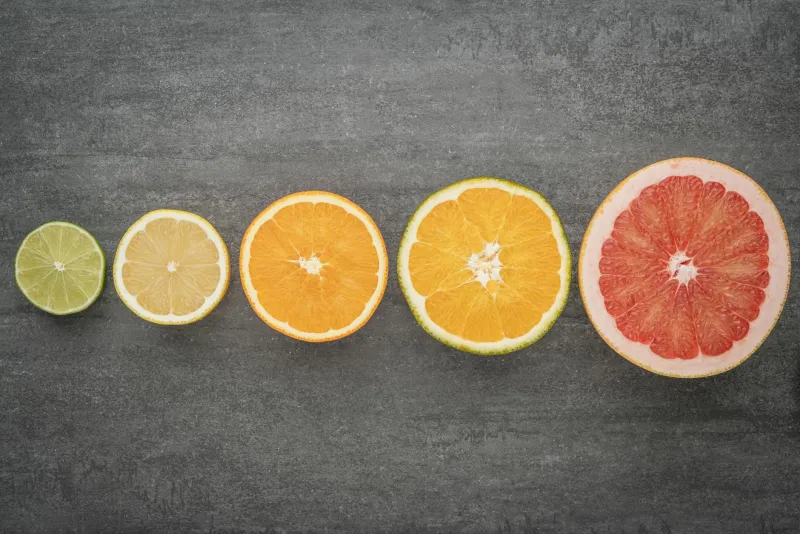
Citrulline is found naturally in watermelons (hence the Latin name Citrullus vulgaris). Unlike arginine, citrulline is not metabolised in the liver — it is absorbed from the gut and travels to the kidneys, where it is converted into arginine. This process is significantly more efficient than oral arginine supplementation.
Citrulline's advantages over arginine:
- Higher bioavailability — reaches the bloodstream in much greater quantities
- Prolonged plasma arginine elevation (up to 6 hours)
- Fewer gastrointestinal side effects
- Smaller effective doses needed
Almost all recent studies show that oral citrulline supplementation raises plasma arginine levels more effectively than the same amount of arginine (Schwedhelm et al., 2008).
MST Amino Pump L-Citrulline + L-Arginine 60caps is an interesting combined product using both amino acids. MST L-Citrulline 240caps and Olimp Citrulline Malate 200g Cool Lemonade are pure citrulline products with positive customer feedback. Browse the pre-workout supplement range.
Citrulline Malate vs L-Citrulline
Citrulline is often sold in two forms:
- L-citrulline (pure)
- Citrulline malate (2:1 ratio)
The addition of malic acid theoretically improves energy metabolism (via the Krebs cycle) and reduces fatigue. Malate is also a good flavour agent. Most studies have used citrulline malate, so it has more evidence behind it (Pérez-Guisado & Jakeman, 2010).
Comparison Table: Citrulline vs Arginine
| Feature | L-Arginine | L-Citrulline |
|---|---|---|
| NO precursor | Direct | Indirect (via kidneys) |
| Oral bioavailability | Low (~68%) | High (~80–90%) |
| Plasma arginine elevation | Moderate | High |
| Duration | Short (1–2 h) | Long (up to 6 h) |
| GI side effects | Possible | Minimal |
| Effective dose | 6–8 g | 6–8 g (citrulline malate) |
| Evidence base | Older | Stronger (recent studies) |
| Price | Low | Somewhat higher |
Dosing Guide
L-citrulline: 6–8 g taken 30–60 minutes before training Citrulline malate: 6–8 g before training (2:1 ratio means ~4 g citrulline + 2 g malate) L-arginine: 3–6 g, but citrulline is preferred due to bioavailability issues
OstroVit Pump Pre-Workout 300g Orange contains citrulline malate combined with other pump stimulants and is an excellent comprehensive pre-workout formula.
Practical Recommendations
For maximum pump and performance, choose citrulline malate 6–8 g 30–60 minutes before training. Arginine is still a useful supplement if you prefer combined formulas. NOW Foods Arginine 500mg & Citrulline 120caps is an interesting combination for those wanting both.
At maxfit.ee, you'll find the full pre-workout and amino acid range.
Summary
Science clearly supports preferring citrulline over arginine for pump and NO production, due to superior bioavailability and fewer side effects. Citrulline malate is one of the most researched and effective pre-workout supplements available.
FAQ
Can citrulline and arginine be taken together?
Yes, some products combine both. Since citrulline is converted into arginine in the kidneys, combining them is not directly harmful. However, it may not provide significantly better results than citrulline alone.
What is the best time to take citrulline?
For optimal pump effect, take 6–8 g of citrulline malate 30–60 minutes before training. Taking it too close to training doesn't allow the compound to fully activate.
Is citrulline safe to take?
Yes, citrulline is generally considered safe. Clinical studies have used up to 15 g daily without significant side effects. As with all supplements, start with a smaller dose.
References
- Schwedhelm, E., Maas, R., Freese, R., Jung, D., Lukacs, Z., Jambrecina, A., & Böger, R. H. (2008). Pharmacokinetic and pharmacodynamic properties of oral L-citrulline and L-arginine: impact on nitric oxide metabolism. British Journal of Clinical Pharmacology, 65(1), 51–59.
- Pérez-Guisado, J., & Jakeman, P. M. (2010). Citrulline malate enhances athletic anaerobic performance and relieves muscle soreness. Journal of Strength and Conditioning Research, 24(5), 1215–1222.
- Bode-Böger, S. M., Böger, R. H., Galland, A., Tsikas, D., & Frölich, J. C. (1998). L-arginine-induced vasodilation in healthy humans: pharmacokinetic-pharmacodynamic relationship. British Journal of Clinical Pharmacology, 46(5), 489–497.
- Suzuki, T., Morita, M., Kobayashi, Y., & Kamimura, A. (2016). Oral L-citrulline supplementation enhances cycling time trial performance in healthy trained men. Journal of the International Society of Sports Nutrition, 13(1), 6.
- Curis, E., Nicolis, I., Moinard, C., Osowska, S., Zerrouk, N., Bénazeth, S., & Cynober, L. (2005). Almost all about citrulline in mammals. Amino Acids, 29(3), 177–205.