Choline for Beginners: A Complete Guide
Choline is an essential nutrient that most people have heard of but few supplement deliberately. It sits in a nutritional grey zone: technically synthesised by the body in small amounts, but not enough to meet typical needs without dietary support — which is why health authorities in the US and EU classify it as an essential nutrient. This guide is for beginners: people who want to understand what choline does, how to start supplementing it, and what to realistically expect.
OstroVit Liver Aid 90caps and OstroVit Choline 200g Naturaalne are choline-containing options available at maxfit.ee.
What Choline Does
Choline serves three primary functions in the body:
1. Cell membrane integrity. Phosphatidylcholine, the most abundant phospholipid in human cell membranes, is synthesised from choline. Every cell in your body depends on this — and high-demand tissues like the liver, brain, and muscle use it most intensively.
2. Acetylcholine synthesis. Acetylcholine is the neurotransmitter of memory, attention, and muscle contraction. The dietary choline you consume is the primary rate-limiting input for its synthesis. Low choline intake is associated with lower cognitive performance in observational studies (Nurk et al., 2013).
3. Methylation and liver function. Choline donates methyl groups in the liver, supporting the metabolism of fats and the export of very-low-density lipoproteins (VLDL). Choline deficiency is a well-established cause of non-alcoholic fatty liver disease in controlled studies (Zeisel & da Costa, 2009).
How to Start
Step 1: Assess dietary intake
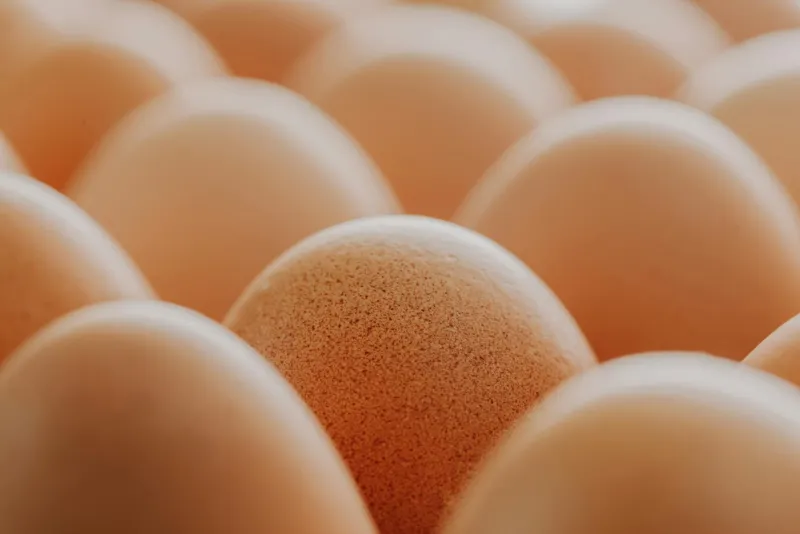
The best starting point is to honestly audit your choline intake from food. Eggs are by far the richest common source — one large egg yolk provides substantial choline. If you eat two or three eggs daily, you may already be meeting baseline needs. If you eat few eggs and no liver or lecithin-rich foods, you are likely under-consuming choline.
Step 2: Choose a form
Choline supplements come in several forms:
- Choline bitartrate — the most affordable, widely available form. Good for liver and general cellular support.
- Alpha-GPC (alpha-glycerophosphocholine) — highly bioavailable; preferred for cognitive applications because it crosses the blood-brain barrier efficiently.
- CDP-choline (citicoline) — delivers both choline and cytidine, which the body converts to uridine (a brain-active compound). Used in nootropic stacks.
- Lecithin (phosphatidylcholine) — food-derived, gentler delivery, lower concentration per gram.
For beginners focused on general health and liver support, OstroVit Choline 200g Naturaalne (choline bitartrate powder) is a practical, cost-effective starting point.
Step 3: Start with a conservative dose
Beginners should start at a low dose and build gradually. High doses of choline bitartrate can cause a fishy body odour (due to conversion to trimethylamine by gut bacteria) and, at very high doses, nausea. Starting low and increasing over one to two weeks allows you to identify your personal tolerance.
What to Expect and When
Choline's effects are not dramatic or immediate in healthy people. Expect:
- Liver and metabolic effects: these are long-term and subtle — relevant for those with fatty liver risk or high-fat dietary patterns. Do not expect a sudden change.
- Cognitive effects (if using alpha-GPC or CDP-choline): some users notice improved focus and working memory after several weeks of consistent use, particularly those who were choline-deficient beforehand.
- Muscle performance: there is modest evidence that choline may support acetylcholine levels during intense training, reducing the decline in output that can occur with sustained effort (Penry & Manore, 2008). This is relevant for endurance athletes, not a dramatic effect for casual gym users.
Common Mistakes
Mistake 1: Choosing the wrong form for your goal
Choline bitartrate is fine for liver and general support. But if cognitive enhancement is your goal, you need a form that efficiently crosses the blood-brain barrier — alpha-GPC or CDP-choline. Beginners sometimes buy the cheapest form and wonder why they notice nothing.
Mistake 2: Ignoring dietary choline
Supplementation should complement your diet, not replace dietary choline sources. Eggs and liver are the most practical high-choline foods. Relying entirely on supplements while avoiding these foods adds unnecessary cost.
Mistake 3: Megadosing early
Very high choline intakes from multiple supplement sources can shift gut bacterial metabolism toward trimethylamine (TMA) and subsequently TMAO, which is associated with cardiovascular risk in observational data. More is not better — hitting adequate levels is the goal.
Mistake 4: Forgetting cofactors
Choline works in the methylation cycle alongside B-vitamins — specifically folate and B12. If your B-vitamin status is poor, choline's methylation function is impaired. A basic multivitamin or B-complex alongside choline ensures the whole pathway is functional.
Choosing a Product
When choosing a choline supplement, consider:
- Goal: liver/metabolic support → choline bitartrate or lecithin; cognitive support → alpha-GPC or CDP-choline.
- Budget: choline bitartrate is the most affordable form.
- Form: powder (like OstroVit Choline 200g Naturaalne) allows easy dose adjustment; capsules are more convenient for travel.
- Third-party testing: look for brands with quality assurance.
Available at maxfit.ee, OstroVit Liver Aid 90caps provides choline alongside other liver-supportive compounds in a convenient capsule form.
FAQ
Do I need to take choline if I eat eggs regularly?
If you eat two to three whole eggs daily and otherwise follow a balanced diet, you may be meeting your baseline choline needs without supplementation. The supplemental case is strongest for people who avoid eggs and liver, are pregnant (choline needs increase significantly), or have liver health concerns.
Can choline cause any side effects?
At typical supplemental doses, choline is well-tolerated. High doses of choline bitartrate can cause a fishy body odour in some people, due to gut bacterial conversion to trimethylamine. Alpha-GPC at high doses may occasionally cause headaches in people sensitive to cholinergic effects. Starting low and monitoring your response avoids most issues.
Is choline the same as lecithin?
No, but they are related. Lecithin is a mixture of phospholipids, with phosphatidylcholine being the main component. Lecithin provides choline, but in a lower concentration per dose than choline bitartrate or alpha-GPC. Lecithin is also an emulsifier and provides other phospholipids beyond choline alone.
References
Nurk, E., Refsum, H., Bjelland, I., Drevon, C. A., Tell, G. S., Ueland, P. M., Vollset, S. E., Engedal, K., Nygaard, H. A., & Smith, A. D. (2013). Associations between dietary choline intake and cognitive performance in cognitively healthy elderly: the Hordaland Health Study. American Journal of Clinical Nutrition, 98(5), 1282-1290.
Zeisel, S. H., & da Costa, K. A. (2009). Choline: an essential nutrient for public health. Nutrition Reviews, 67(11), 615-623. https://pubmed.ncbi.nlm.nih.gov/19906248/
Penry, J. T., & Manore, M. M. (2008). Choline: an important micronutrient for maximal endurance-exercise performance? International Journal of Sport Nutrition and Exercise Metabolism, 18(2), 191-203. https://pubmed.ncbi.nlm.nih.gov/18458362/



