
What Is Chlorophyll and Why Do People Take It?
Chlorophyll is the green pigment found in plants and algae that drives photosynthesis. As a supplement, it is most commonly sold in two forms: natural chlorophyll extracted from plants, and chlorophyllin — a semi-synthetic, water-soluble derivative where the central magnesium atom is replaced with copper. Most commercial liquid or capsule products contain chlorophyllin rather than true chlorophyll.
People turn to chlorophyll supplements hoping to support detoxification, improve skin health, reduce body odour, and boost general wellbeing. While some of these uses are under active research, the safety profile is what this guide focuses on.
Common Side Effects
Chlorophyllin and chlorophyll supplements are generally well tolerated at typical supplemental doses. The most frequently reported side effects are gastrointestinal and mild:
- Loose stools or diarrhoea — particularly when starting supplementation or taking higher doses.
- Stomach cramping or nausea — usually transient and dose-related.
- Green discolouration of urine or stool — harmless but can be startling if unexpected.
- Temporary skin sensitivity to sunlight — a few case reports have noted mild photosensitivity.
These effects are self-limiting and typically resolve when the dose is reduced or supplementation is stopped.
Rare and Serious Concerns
Serious adverse events from chlorophyllin are rare. Allergic reactions — including rash or itching — have been reported in individuals sensitive to plant-derived compounds. Anyone with a known allergy to plants in the parsley family should approach chlorophyll products cautiously.
There is limited long-term safety data specifically for supplemental chlorophyllin. Most human trials have been short in duration (weeks to months). The available evidence does not flag serious toxicity signals, but caution is appropriate when using any supplement long-term without clear clinical indication.
Upper Safe Limits
No formal tolerable upper intake level has been established by regulatory bodies specifically for supplemental chlorophyllin. Clinical studies investigating chlorophyllin for aflatoxin reduction used doses in a range that was reported as well tolerated (Egner et al., 2003). Product labels typically suggest doses in the range commonly tested in trials. If you are considering higher doses for a specific purpose, consult a healthcare professional first.
Drug and Nutrient Interactions
Chlorophyllin's photosensitising potential means it may theoretically amplify the effect of other photosensitising drugs (such as certain antibiotics or diuretics). If you are taking any medication that lists sun sensitivity as a side effect, discuss chlorophyll supplementation with your pharmacist or doctor.
Because chlorophyllin acts as a binding agent in the gut, it may theoretically reduce the absorption of certain oral medications if taken at the same time. Taking chlorophyll supplements a few hours apart from any prescribed medication is a reasonable precaution.
Chlorophyllin binds to some dietary compounds in vitro, but clinically meaningful nutrient interactions at typical supplemental doses have not been documented in the peer-reviewed literature.
Who Should Avoid Chlorophyll Supplements?
Pregnant and breastfeeding individuals: Insufficient safety data exist for these groups. Standard advice is to avoid supplemental chlorophyllin during pregnancy and lactation unless advised by a healthcare provider.
Children: Most safety studies have been conducted in adults. Supplemental chlorophyllin for children is not supported by adequate evidence.
People with plant allergies: As noted, cross-reactivity with certain plant allergens is possible.
People on photosensitising medication: The potential for additive photosensitivity warrants caution.
Quality and Contamination Risks
Chlorophyll products sourced from algae — particularly chlorella — carry a contamination risk if the raw material is harvested from polluted water. Heavy metal contamination (lead, cadmium, arsenic) has been detected in poorly quality-controlled algae products (Rzymski et al., 2015). When shopping for chlorophyll or chlorella supplements, look for brands that provide third-party batch testing certificates.
ICONFIT Superfoods Organic Chlorella Powder 125g and OstroVit Chlorella 250g are two chlorella-based options available at maxfit.ee from established sports nutrition brands with consistent quality standards.
For an encapsulated option, 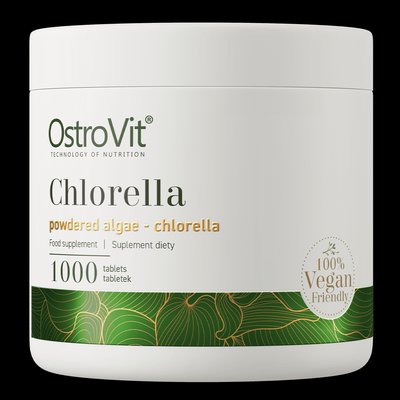 OstroVit Chlorella VEGE€15.90 In stock 1000tabs offers a convenient dosing format for those who prefer tablets over powder.
Practical Safety Tips
- Start with the lowest recommended dose and increase gradually to assess tolerance.
- Take with food to minimise gastrointestinal effects.
- Use sun protection if taking higher doses over extended periods.
- Space chlorophyll at least two hours from any prescription medication.
- Choose products with visible third-party testing or certificates of analysis.
FAQ
Is chlorophyll safe to take every day?
For most healthy adults, short-to-medium-term daily use of supplemental chlorophyllin appears safe based on available evidence. Long-term safety beyond several months has not been well studied. Mild gastrointestinal effects may occur initially but typically resolve. If you experience persistent discomfort, reduce the dose or discontinue use.
Can chlorophyll interact with medications?
Chlorophyllin may increase photosensitivity when combined with drugs that already cause sun sensitivity. It may also bind to oral medications in the gut, potentially affecting absorption. As a precaution, take chlorophyll supplements at a different time of day from prescription medicines and consult your pharmacist if in doubt.
Is liquid chlorophyll the same as chlorophyllin capsules?
Liquid drops and capsules both typically contain chlorophyllin (the copper-substituted, water-soluble form) rather than natural chlorophyll. The delivery form differs in convenience and onset, but the active compound and safety considerations are broadly the same. Follow the label dosing for whichever format you choose.
References
Egner, P. A., Wang, J. B., Zhu, Y. R., Zhang, B. C., Wu, Y., Zhang, Q. N., Qian, G. S., Kuang, S. Y., Gange, S. J., Jacobson, L. P., Helzlsouer, K. J., Bailey, G. S., Groopman, J. D., & Kensler, T. W. (2003). Chlorophyllin intervention reduces aflatoxin-DNA adducts in individuals at high risk for liver cancer. Proceedings of the National Academy of Sciences, 98(25), 14601–14606.
Rzymski, P., Niedzielski, P., Klimaszyk, P., & Poniedziałek, B. (2015). Bioaccumulation of selected metals in bivalves (Unionidae) and Phragmites australis inhabiting a municipal water reservoir. Environmental Monitoring and Assessment, 187(4), 1–12.
Kensler, T. W., Egner, P. A., Wang, J. B., Zhu, Y. R., Zhang, B. C., Lu, P. X., Chen, J. G., Qian, G. S., Kuang, S. Y., Jackson, P. E., Gange, S. J., Jacobson, L. P., Munoz, A., & Groopman, J. D. (2004). Chemoprevention of hepatocellular carcinoma in aflatoxin endemic areas. Gastroenterology, 127(5 Suppl 1), S310–S318. https://pubmed.ncbi.nlm.nih.gov/15508099/



