
Why Chlorophyll Is Worth Women's Attention
Chlorophyll is the photosynthetic pigment that gives plants their green colour. In recent years, chlorophyll-related supplements, particularly liquid chlorophyll, chlorophyll-rich spirulina, chlorella, and green juice blends, have surged in social media popularity, linked to various women's health benefits ranging from energy to skin improvement. But what does the research actually support?
What the Science Shows
Chlorophyll itself is fat-soluble and not well absorbed in large quantities by the human digestive tract. Commercial chlorophyll supplements typically use chlorophyllin, a water-soluble, copper-substituted derivative of chlorophyll. Chlorophyllin has been studied most notably for deodorisation, where older clinical work supported its use for controlling colostomy and urinary odour.
Chlorophyll and chlorophyllin are antioxidant compounds. An early-phase clinical study (Simonich et al., 2007) found that chlorophyllin supplementation reduced DNA damage biomarkers following aflatoxin exposure, suggesting potential DNA-protective properties, although this is not a high-priority application in a European context.
Claims about skin benefits are widespread online, but rigorous RCTs are limited. One small study found that topically applied chlorophyllin gel improved some acne biomarkers, but the evidence for oral chlorophyll supplementation's skin effects requires substantially more data.
Hormonal and Life-Stage Notes
Chlorophyll-rich foods, meaning leafy green vegetables, are foundational to a healthy diet. In this context, chlorophyll is a useful accompaniment rather than a standalone superingredient. Leafy greens come packaged with folate (particularly important for women of reproductive age), vitamin K2, iron, and magnesium.
Some women use chlorophyll for detox, but the clinical evidence for specific detoxification support is weak. The liver is the primary detoxification organ, and chlorophyll does not meaningfully enhance that process in a clinically confirmed manner.
For hormonal balance, chlorophyll has no demonstrated direct effect on oestrogen levels, progesterone, or other components of female hormonal balance.
Dose Considerations
Chlorophyll-rich products such as ICONFIT Superfoods Organic Chlorella Powder 125g and OstroVit Chlorella 250g are available at maxfit.ee and provide naturally concentrated green micronutrient sources. 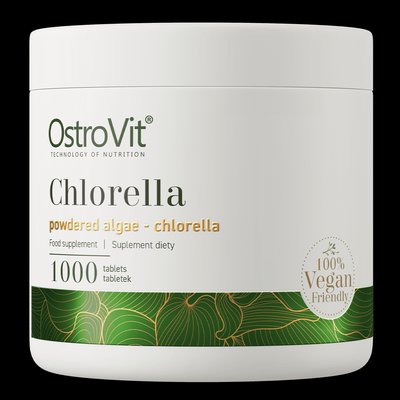 OstroVit Chlorella VEGE€15.90 In stock 1000tabs is a convenient tablet format for consistent daily intake.
For chlorophyllin specifically, clinical studies have used doses of 100 to 300 mg per day. Chlorophyll-rich supplements are typically not as concentrated but contribute to an overall healthy dietary picture.
Pregnancy and Safety Notes
Chlorophyll from food, such as leafy greens, is completely safe and encouraged during pregnancy. Data on concentrated chlorophyllin supplement safety during pregnancy are limited; favouring chlorophyll-rich foods over direct supplements during pregnancy is advisable, and consulting a healthcare provider is recommended.
Drug interactions with chlorophyll are minimal, though chlorophyllin may influence the metabolism of some medications; consult a doctor if you take regular prescription medicines.
Bottom Line
Chlorophyll is a useful natural pigment that is rich in antioxidants and likely offers general health benefits as part of a greens-rich diet. Aggressive marketing claims for chlorophyll supplements, particularly around skin, hormonal balance, and detox, mostly outpace the evidence. A chlorophyll-rich supplement is a sensible addition, but expectations should be calibrated to what the research actually supports.
References
- Simonich, M. T., Egner, P. A., Roebuck, B. D., Orner, G. A., Jubert, C., Pereira, C., ... & Dashwood, R. H. (2007). Natural chlorophyll inhibits aflatoxin B1-induced multi-organ carcinogenesis in the rat. Carcinogenesis, 28(6), 1294-1302. https://pubmed.ncbi.nlm.nih.gov/17290047/
FAQ
Is chlorophyll the same as chlorella?
No. Chlorella is a microalgae that contains high amounts of chlorophyll alongside many other nutrients including iron, protein, and B12 analogues. Chlorophyll is a specific pigment. Chlorella is a broader nutritional source.
Does chlorophyll improve skin?
Some small studies support topical chlorophyllin for acne, but for oral chlorophyll supplements the clinical evidence for skin benefits is insufficient. Results can vary considerably.
Does chlorophyll neutralise body odour?
Yes, chlorophyllin has historically documented deodorising effects, particularly for controlling urinary and stool-related odour in clinical settings. For everyday body odour, the evidence is more limited.



