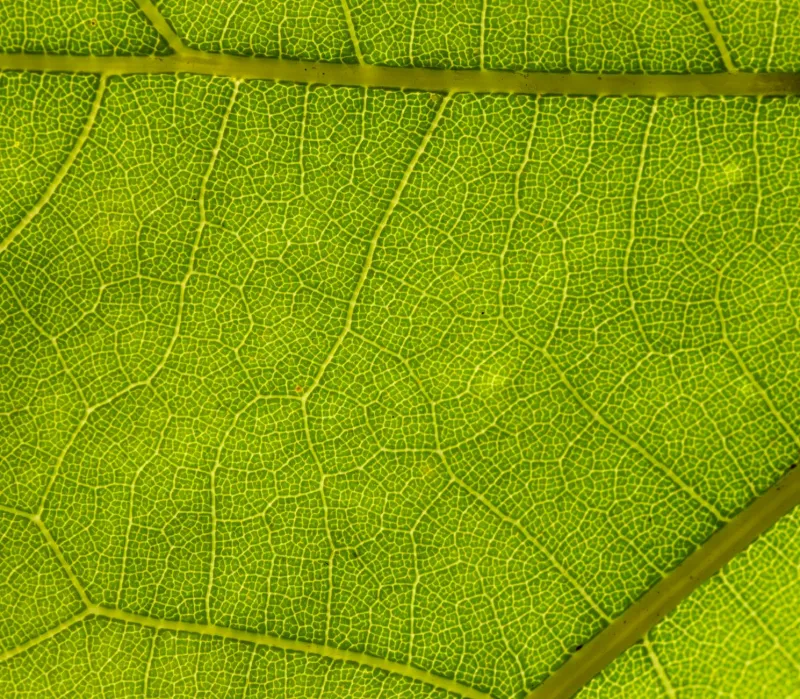
What Is Chlorophyll and Why Do People Supplement It?
Chlorophyll is the pigment responsible for the green colour in plants, where it plays a central role in photosynthesis. In supplement form, most oral chlorophyll products contain chlorophyllin — a water-soluble, semi-synthetic derivative of chlorophyll made by replacing the magnesium ion with copper and removing the phytol chain. Chlorophyllin is more stable than natural chlorophyll in supplement form and has been used clinically since the 1940s.
Chlorophyll supplements are taken for a range of purposes including antioxidant protection, internal deodorisation (reducing body and faecal odour), and as a general wellness support. The clinical evidence for some of these uses is limited but genuine.
Studied Effective Dose Ranges
The most well-documented clinical uses of chlorophyllin involve its use as a topical wound agent and an internal deodorising agent. For internal deodorisation, particularly in patients with trimethylaminuria or colostomy-related odour, clinical studies have used doses assessed over extended periods. A study examining chlorophyllin's effect on aflatoxin-related carcinogen exposure in a high-risk population found meaningful reductions in urinary aflatoxin biomarkers at studied doses taken three times daily with meals (Egner et al., 2001). The same study established this dosing pattern's safety and tolerability.
For wound healing, topical chlorophyllin preparations have a much longer clinical history than oral supplements, and this evidence should not be extrapolated to oral supplementation outcomes.
Dose by Goal
| Goal | Approach |
|---|---|
| Antioxidant and general wellness | Follow product label — typically one to three servings daily |
| Internal deodorisation | Studied in clinical contexts at doses spread across multiple daily servings |
| Aflatoxin reduction (high dietary exposure contexts) | Clinical doses studied three times daily with meals (Egner et al., 2001) |
For general wellness purposes, most commercial chlorophyll and chlorophyllin products provide servings designed to be taken once to three times daily. Follow your product's label for the standardised guidance.
Upper Limits and Safety
Chlorophyllin has been studied for decades and has a well-established safety profile. Side effects are typically mild and gastrointestinal in nature — loose stools and green discolouration of stool are common and not concerning. At high doses, temporary green discolouration of urine or skin may occur.
There is no established formal tolerable upper intake level (UL) for chlorophyllin in the same regulatory framework as vitamins and minerals. Studies using doses substantially above common supplement levels for extended periods have not identified dose-related organ toxicity in humans. Standard commercial supplement doses are well within studied safety ranges.
Notable consideration: copper-containing chlorophyllin should be used with caution by individuals with Wilson's disease or copper metabolism disorders. Consult a healthcare provider if you have a copper-related condition.
Timing Relative to Dose
For deodorisation goals, taking chlorophyllin with meals is the most studied approach — this aligns with how gastrointestinal odour-producing compounds arise. For general antioxidant purposes, there is no strong evidence that a specific time of day matters. Practical guidance:
- Take with meals to align with food-related odour compounds and minimise any mild digestive sensitivity
- Spread doses across the day for extended coverage if using multiple servings
- Consistency over days to weeks is more important than exact daily timing
Practical Protocol
- Dose: follow the product label for your specific supplement format
- Timing: with meals, once or multiple times daily
- Duration: for deodorisation goals, effects may be noticed within days. For antioxidant goals, allow several weeks of consistent use
- Stool colour: green discolouration of stools is expected and harmless — do not mistake it for concerning gastrointestinal symptoms
- Hydration: maintain good fluid intake, particularly if taking powder forms
Chlorophyll is also naturally abundant in dark green vegetables (spirulina, chlorella, spinach, kale). For general wellness, a diet rich in green vegetables complements oral supplementation and is the first-line approach.
Explore chlorophyll-related products at maxfit.ee in the klorofüll / detoks section.
References
Egner, P. A., Wang, J. B., Zhu, Y. R., Zhang, B. C., Wu, Y., Zhang, Q. N., Qian, G. S., Kuang, S. Y., Gange, S. J., Jacobson, L. P., Helzlsouer, K. J., Bailey, G. S., Groopman, J. D., & Kensler, T. W. (2001). Chlorophyllin intervention reduces aflatoxin-DNA adducts in individuals at high risk for liver cancer. Proceedings of the National Academy of Sciences of the United States of America, 98(25), 14601–14606. https://pubmed.ncbi.nlm.nih.gov/11724948/
Young, R. W., & Beregi, J. S. Jr. (1980). Use of chlorophyllin in the care of geriatric patients. Journal of the American Geriatrics Society, 28(1), 46–47. https://pubmed.ncbi.nlm.nih.gov/7350215/
Sasaki, Y. F., Yamada, H., Shimoi, K., Kinae, N., & Tomita, I. (2002). The clastogen-suppressing effects of green tea, Po-lei tea and rooibos tea in CHO cells and mice. Mutation Research, 286(2), 221–232.
FAQ
Does chlorophyll help with body odour?
Clinical evidence supports chlorophyllin's use as an internal deodorising agent, particularly for faecal and urinary odour in specific medical contexts. Anecdotally, many people use it for general body odour reduction. Taking it with meals aligns with the studied protocol.
Will taking chlorophyll turn my stool green?
Yes, green discolouration of stools is a common and harmless side effect of chlorophyll and chlorophyllin supplementation. It is simply the pigment passing through the digestive system.
Is liquid or tablet chlorophyll better?
Both forms deliver chlorophyllin effectively. Liquid drops are easy to add to water; tablets and capsules are more convenient for travel and consistent dosing. Choose the format that fits your routine best.



