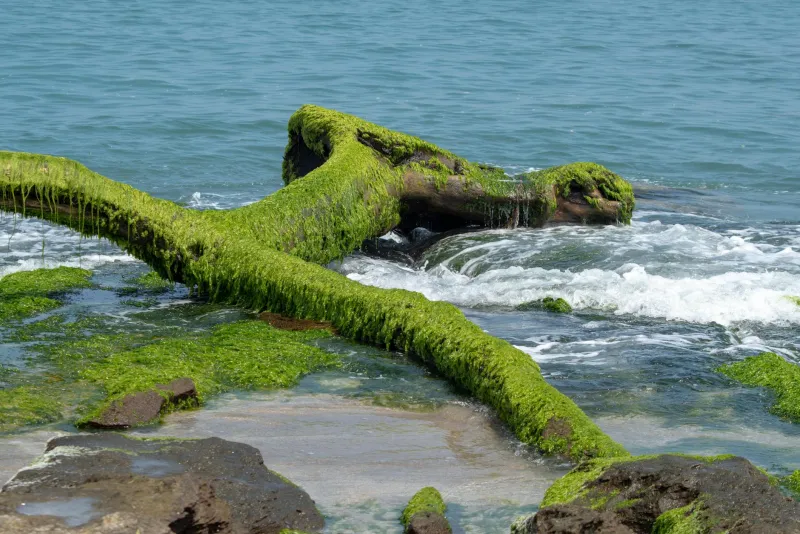
When to Take Chlorella: Optimal Timing
Chlorella is a single-celled green freshwater algae widely used as a nutritional supplement. It is rich in chlorophyll, protein, B vitamins, iron, and various minerals. It is also one of the few plant sources of vitamin B12, though the bioavailability of B12 from chlorella is debated. With growing interest in its detoxification support, immune function, and antioxidant properties, many users wonder about optimal chlorella timing to maximise its benefits.
This guide covers whether to take chlorella with or without food, the best time of day, how split versus single dosing compares, which interactions affect timing, and a practical starting schedule.
With Food or Without Food?
Chlorella can be taken with or without food, but most users and practitioners recommend taking it with a meal or immediately before eating. Here is why:
Digestive tolerance: Chlorella contains a tough cell wall that must be broken or "cracked" to allow nutrient absorption. Even with cracked-cell products, some individuals experience nausea, bloating, or green-tinted stools — especially when starting. Taking chlorella with food reduces gastric irritation and helps most people tolerate it better.
Chelation considerations: Chlorella's chlorophyll content gives it the ability to bind to heavy metals in the gut. If one goal is supporting detoxification, taking it before or with a meal (rather than between meals) maximises the time it spends in the digestive tract alongside food-borne compounds. Some practitioners recommend taking chlorella 30 minutes before a meal for this reason.
Nutrient interactions: Chlorella's iron content may affect absorption if taken simultaneously with calcium-rich foods. For iron-sensitive users, taking chlorella at a different meal from high-calcium foods may be slightly preferable.
Time of Day and Training
There is no clinical head-to-head study comparing morning versus evening chlorella timing for most outcomes. Practical considerations favour:
Morning use: Many users prefer taking chlorella at breakfast. The habit is easy to maintain, it pairs well with a smoothie or juice, and it allows any digestive adjustments to happen during the active part of the day rather than disrupting sleep.
Before or after training: Chlorella is not a stimulant and does not provide an acute ergogenic effect. Timing it around training has no specific evidence-based advantage. Take it at whatever meal closest to your training is most convenient.
Evening use: Some users prefer evening dosing to coincide with the body's overnight repair processes, given chlorella's chlorophyll and antioxidant content. No direct trial has confirmed superior outcomes for this timing versus morning.
Split Dose vs. Single Dose
Most chlorella products are sold in tablet or capsule form. The daily amount recommended on labels typically ranges from a few grams divided across the day. For those using powder — such as ICONFIT Superfoods Organic Chlorella Powder 125g — splitting into two portions is straightforward and allows you to add it to different meals.
For tablets like OstroVit Chlorella 250g (powder form) or 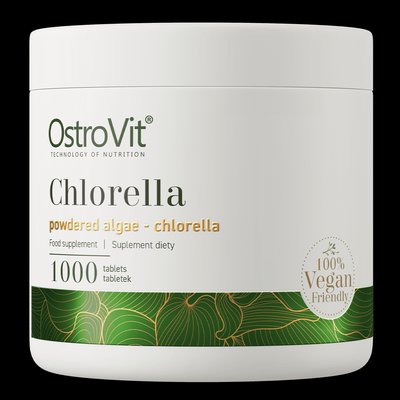 OstroVit Chlorella VEGE€15.90 In stock 1000tabs, a two-dose split — morning and evening with meals — is a practical approach if the label allows it. Splitting doses may also reduce the likelihood of digestive discomfort compared to a single large serving.
Interactions Affecting Timing
- Warfarin and anticoagulants: Chlorella is high in vitamin K due to its chlorophyll content. Consistent, stable daily timing is especially important for anyone on warfarin — variable intake can affect anticoagulation levels. Consult your physician before using chlorella if you take blood-thinning medications.
- Iron supplements: Taking chlorella alongside high-dose iron supplements may theoretically compete for absorption pathways. Spacing them by a few hours is a reasonable precaution.
- Other algae or greens powders: Stacking chlorella with spirulina or other greens concentrates at the same time delivers a high load of chlorophyll and plant compounds simultaneously. There is no documented harm, but starting with one at a time allows you to identify the source of any digestive response.
Practical Schedule
Here is a simple starting schedule for most adults:
| Time | Action |
|---|---|
| Breakfast | First dose of chlorella (powder in smoothie or tablets with food) |
| Dinner | Second dose if using a split |
Start at the lower end of the label dose for the first 1–2 weeks to assess digestive tolerance, then increase to the full amount.
FAQ
Why is my stool green after starting chlorella?
Chlorella's high chlorophyll content commonly causes green-tinted stools. This is normal, harmless, and typically diminishes as the body adjusts over the first 1–2 weeks of use.
Can I take chlorella on an empty stomach?
Some people tolerate it well on an empty stomach; others experience nausea. Start with food until you know your personal response. If you are sensitive, always take it with a meal.
How long does it take to notice effects from chlorella?
For outcomes such as detox support or general nutrient top-up, consistent daily use over several weeks is needed before any meaningful assessment. Do not expect acute effects — chlorella is a long-game supplement.
References
Ogawa, K., Fukuda, T., & Fukuda, T. (2016). Biological responses to chlorophyll in food. Journal of Nutritional Science and Vitaminology, 62(6), 363-370.
Seo, Y. W., Cha, Y., & Park, J. K. (2010). Effect of Chlorella vulgaris supplementation on antioxidant status and immune function in healthy subjects. Clinical Nutrition, 29(4), 451-455.
Nakano, S., Takekoshi, H., & Nakano, M. (2010). Chlorella (Chlorella pyrenoidosa) supplementation decreases dioxin and increases immunoglobulin A concentrations in breast milk. Journal of Medicinal Food, 10(1), 134-142.



