
What Chlorella Does
Chlorella is a single-celled freshwater green algae that has been consumed as a food and supplement for decades. It is nutritionally dense — a source of protein, chlorophyll, vitamins (B12 in some forms, vitamin C, beta-carotene), and minerals including iron and zinc. In supplement form it is typically found as powder or compressed tablets.
Chlorella's most researched properties in the context of supplementation are its binding capacity for certain heavy metals and its effects on immune parameters. A randomised controlled trial found that chlorella supplementation influenced natural killer cell activity and other immune markers in healthy adults (Kwak et al., 2012). Its chlorophyll content and unique cell wall polysaccharides are considered to contribute to its binding and detox-adjacent properties, though mechanisms are still being studied.
Chlorella is not a pharmaceutical detoxification agent. Claims about mercury or heavy metal removal in clinical populations go beyond what the current supplement literature robustly supports. However, in the context of supporting general health and daily micronutrient intake, chlorella has a reasonable evidence base.
Evidence-Based Synergies
Chlorella + Spirulina: These two algae are commonly paired. Spirulina is richer in protein and certain B vitamins; chlorella contains more chlorophyll and has the cell wall that is associated with binding properties. Together they offer a broader micronutrient and phytonutrient profile than either alone. Both support immune function through partially overlapping mechanisms.
Chlorella + Vitamin C: Vitamin C enhances non-haem iron absorption. Chlorella contains meaningful amounts of non-haem iron. Taking chlorella alongside a vitamin C source — either food-based or supplemental — may improve iron absorption from the algae. This is particularly relevant for plant-based eaters who rely on algae-based iron sources.
Chlorella + Probiotic: Chlorella's prebiotic potential (from its cell wall polysaccharides) may complement the effects of a probiotic supplement, providing both a substrate for beneficial bacteria and the live bacteria themselves. Research on this combination is still developing but the combination is widely used in functional health contexts.
Chlorella + NAC or antioxidant support: Chlorella has antioxidant properties from chlorophyll and carotenoids. Pairing with NAC (which supports glutathione) provides multi-pathway antioxidant support. This combination is used in protocols focused on reducing oxidative load, though specific RCT evidence for this exact combination is limited.
Antagonistic and Caution Combinations
Chlorella + Immunosuppressant medications: Chlorella influences immune activity (Kwak et al., 2012). For individuals taking immunosuppressant medications (such as organ transplant recipients), any supplement that modulates immune function should only be used under physician guidance.
Chlorella + Warfarin (anticoagulant): Chlorella is rich in vitamin K, which is a cofactor in the coagulation cascade. High vitamin K intake directly antagonises warfarin's anticoagulant effect. Individuals on warfarin must discuss consistent vitamin K intake with their physician before adding chlorella.
Chlorella + Iodine-sensitive conditions or thyroid medications: Algae in general can contain variable iodine levels. Those with thyroid conditions or taking thyroid medications should check chlorella iodine content and discuss with their physician before use.
Chlorella around medications (timing): Like many supplements with binding capacity, chlorella should be taken away from medications (generally two or more hours) to avoid potentially interfering with drug absorption. This is a general precaution rather than a confirmed interaction for specific drugs.
Timing Within a Stack
Chlorella is commonly taken with meals, which improves tolerability — some people experience mild nausea when taking algae supplements on an empty stomach. Splitting the daily dose across two meals (e.g. breakfast and dinner) is a practical approach.
For iron absorption synergy with vitamin C, taking chlorella alongside a vitamin C-containing food or supplement at the same meal is optimal.
For any medications you are taking, maintain a gap of at least two hours between chlorella and medication doses as a standard precaution.
Sample Stacks by Goal
General health and micronutrient density:
- Chlorella (ICONFIT Superfoods Organic Chlorella Powder 125g, OstroVit Chlorella 250g, or
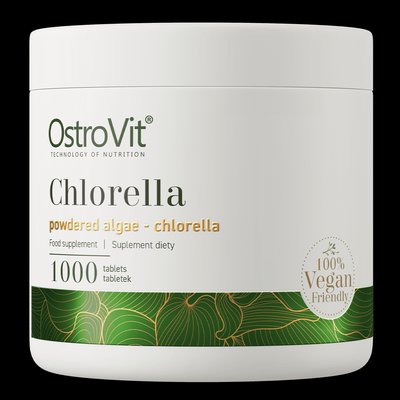 OstroVit Chlorella VEGE€15.90 In stock 1000tabs)
 - Vitamin C — with the same meal
- Omega-3 — daily with meals
Immune and antioxidant support:
- Chlorella
- Spirulina (algae pair)
- Zinc — separate timing from chlorella by one to two hours
Detox support and gut health:
- Chlorella — with meals
- NAC — between meals
- Probiotic — morning on empty stomach (separate from chlorella)
Browse the chlorella category at maxfit.ee for the full current selection.
What to Avoid
- Taking chlorella at the same time as prescription medications (allow a gap)
- Using chlorella on warfarin without physician guidance (vitamin K content)
- Starting with large doses — begin with the minimum serving and assess digestive tolerance before increasing
- Expecting chlorella to act as a pharmaceutical detox agent for heavy metal poisoning — this is not a supplement use case and requires medical treatment
- Products from unverified sources that may be contaminated — quality-controlled supplement brands from reputable sources are important for algae products
FAQ
Can I take chlorella and spirulina together?
Yes. Chlorella and spirulina are frequently combined and there are no known negative interactions between them. Together they provide a complementary algae profile — spirulina is higher in protein and some B vitamins, chlorella is richer in chlorophyll and has the distinctive cell wall. Available at maxfit.ee, you can find chlorella products in the chlorella category.
Does chlorella interfere with medications?
Chlorella may reduce absorption of some medications if taken simultaneously, due to its binding properties. Separate chlorella from medications by at least two hours. Additionally, chlorella's vitamin K content is a specific concern for warfarin users — always discuss this with your physician or pharmacist.
How long should I take chlorella to notice any effects?
Like most greens supplements, any measurable effects on immune parameters or micronutrient status would develop over weeks rather than days. The research supporting immune effects used supplementation periods of several weeks (Kwak et al., 2012). Consistency over at least four to eight weeks is needed to fairly evaluate effects.
References
Kwak, J. H., Baek, S. H., Woo, Y., Han, J. K., Kim, B. G., Kim, O. Y., & Lee, J. H. (2012). Beneficial immunostimulatory effect of short-term Chlorella supplementation: enhancement of natural killer cell activity and early inflammatory response. Nutrition Journal, 11, 53. https://pubmed.ncbi.nlm.nih.gov/22849818/
Tran, T. T. V., Truong, M. H., & Kang, S. G. (2023). Review of the anti-heavy metal poisoning activity of Chlorella and the mechanisms of action. Marine Drugs, 21(5), 319. https://pubmed.ncbi.nlm.nih.gov/37999380/



