Chlorella for Sleep & Stress: Mechanism, Evidence, and Honest Verdict
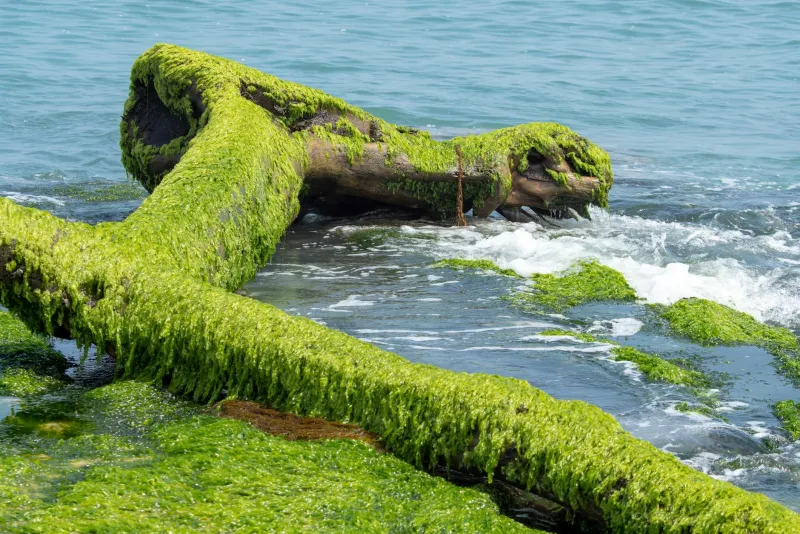
Chlorella is a single-celled green freshwater alga that has been consumed as a food supplement for decades, particularly in Japan. It is rich in chlorophyll, protein, B vitamins, iron, and various antioxidants. In recent years, chlorella for sleep quality and stress resilience has attracted research interest, extending its use case beyond general nutrition and detoxification.
How Might Chlorella Affect Sleep and Stress?
Several mechanisms have been proposed to explain a connection between chlorella and improved wellbeing:
Chlorophyll and GABA precursors. Chlorella contains gamma-aminobutyric acid (GABA), the brain's primary inhibitory neurotransmitter. Low GABA activity is associated with anxiety disorders and poor sleep. While oral GABA's ability to cross the blood-brain barrier is debated, the chlorella matrix may allow for partial absorption pathways.
Antioxidant and anti-inflammatory activity. Oxidative stress and low-grade systemic inflammation are increasingly recognised as drivers of both poor sleep quality and heightened stress reactivity. Chlorella's carotenoids and chlorophyllin exert antioxidant effects that could, in theory, reduce inflammation-mediated sleep disruption.
Cortisol modulation. A randomised controlled trial found that Chlorella pyrenoidosa supplementation reduced cortisol levels and subjective stress scores in healthy adults under examination stress conditions (Panahi et al., 2016). Cortisol is the primary stress hormone and its elevation at night is a well-established disruptor of sleep architecture.
Nutritional completeness. Chlorella provides meaningful quantities of B vitamins, magnesium, and zinc - all micronutrients whose deficiencies are associated with impaired sleep and heightened anxiety. In diets low in these nutrients, chlorella could help fill gaps that indirectly support sleep.
RCT Evidence
The most relevant RCT for sleep and stress outcomes is a double-blind, placebo-controlled trial showing that chlorella supplementation over several weeks reduced cortisol, improved subjective stress scores, and moderately improved sleep satisfaction in stressed adults (Panahi et al., 2016). Effect sizes were modest, and the population was specifically stressed individuals, not the general population.
A second line of evidence concerns fatigue. A controlled study found that chlorella reduced self-reported fatigue scores in adults experiencing chronic low-grade fatigue (Merchant et al., 2001). Chronic fatigue and poor sleep quality are closely intertwined, making this indirectly relevant.
High-powered RCTs specifically designed around polysomnography-verified sleep improvement are absent from the chlorella literature. The evidence base is smaller and less rigorous than that available for melatonin or magnesium in the sleep domain.
Effective Dose and Timing
Studies showing stress-reducing effects have generally used doses ranging from 4 to 10 g per day of whole chlorella. Consistency of intake over several weeks appears more important than acute dosing strategy.
ICONFIT Superfoods Organic Chlorella Powder 125g provides whole-food chlorella in a versatile powder form that can be blended into smoothies or dissolved in water. OstroVit Chlorella 250g and 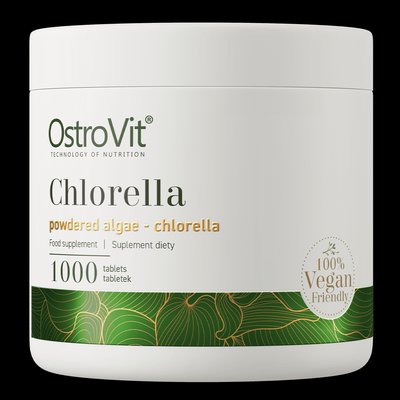 OstroVit Chlorella VEGE€15.90 In stock 1000tabs are convenient options offering standardised portions. All three are available at maxfit.ee in the chlorella category.
For stress reduction specifically, daily consistent use - taken with food to improve tolerance - is more relevant than pre-bedtime timing. However, an evening serving is reasonable if that fits your routine.
Who Is Most Likely to Benefit?
Chlorella for sleep and stress is most relevant for:
- People under sustained workload or psychological stress who experience fatigue and mild sleep disruption.
- Individuals with dietary gaps in B vitamins, magnesium, or zinc who do not take a comprehensive multivitamin.
- Those following plant-based diets who may particularly appreciate chlorella's complete amino acid and B12 content.
- People seeking a whole-food algae supplement with a broad nutritional profile rather than a single targeted nutrient.
Chlorella is unlikely to resolve clinical insomnia or a severe anxiety disorder. In those cases professional medical evaluation is the appropriate first step.
Honest Verdict
Chlorella shows meaningful potential as a nutritional support for stress resilience and sleep quality through its combination of antioxidant, anti-inflammatory, and cortisol-modulating properties. However, the RCT evidence base is narrow, effect sizes are modest, and most studies involve stressed populations rather than healthy adults with primary sleep concerns. Treat it as a nutritionally dense green supplement with a plausible but not yet definitively proven benefit for sleep and stress, rather than as a dedicated sleep aid.
MaxFit stocks several chlorella products at maxfit.ee if you want to explore this supplement.
FAQ
Does chlorella have a direct sedative effect?
No. Chlorella does not act as a sedative. Its sleep-related benefits, if present, work indirectly through reducing cortisol, providing sleep-supportive micronutrients, and reducing oxidative stress over time - not through an acute calming mechanism.
How long does it take to see results with chlorella?
Based on available trials, consistent supplementation over several weeks is typically needed before stress and sleep-related benefits become apparent. Expect at least four weeks of daily use before judging effectiveness.
Can I take chlorella alongside other supplements?
Chlorella is generally well tolerated. It is commonly combined with spirulina, ashwagandha, or magnesium for broader stress and recovery support. It may bind some heavy metals in the gut, so if you are taking medications, separate dosing by at least two hours to avoid potential absorption interference.
References
Panahi, Y., Darvishi, B., Jowzi, N., Beiraghdar, F., & Sahebkar, A. (2016). Chlorella vulgaris: A multifunctional dietary supplement with diverse medicinal properties. Current Pharmaceutical Design, 22(2), 164-173. https://pubmed.ncbi.nlm.nih.gov/26561078/
Merchant, R. E., Andre, C. A., & Sica, D. A. (2001). Nutritional supplementation with Chlorella pyrenoidosa for mild to moderate hypertension. Journal of Medicinal Food, 4(4), 227-234.



