Chlorella Myths vs Facts: What the Evidence Actually Shows
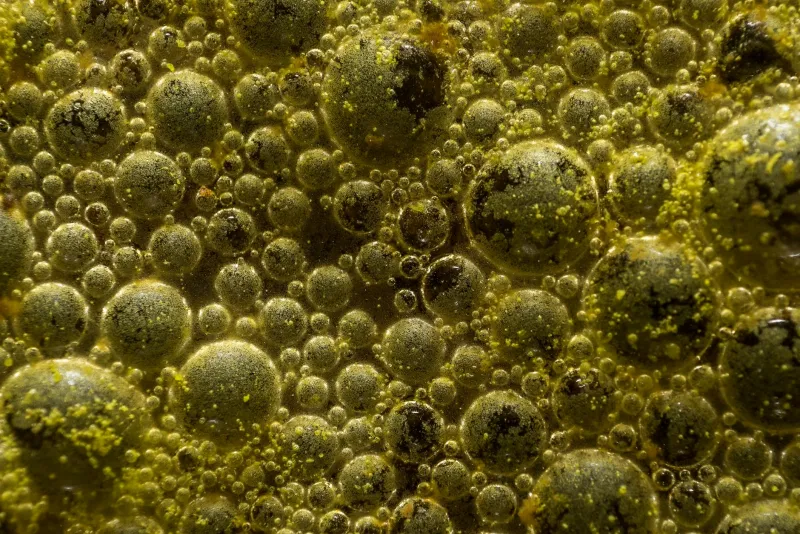
Chlorella is a single-celled freshwater algae that has been sold as a superfood for decades. Marketing claims range from miraculous detoxification to cancer prevention. The reality, as with most supplements, is more nuanced. This article separates common chlorella myths from what peer-reviewed research actually supports.
Common Myths About Chlorella
Myth 1: Chlorella Detoxes Heavy Metals from Your Body
This is the most pervasive chlorella myth. The claim is that chlorella binds to heavy metals such as mercury, lead, and cadmium and removes them through excretion. The mechanism proposed is real in laboratory settings — chlorella does bind metals in vitro. However, human evidence is far more limited.
A randomised controlled trial by Nakano et al. (2005) found that chlorella supplementation reduced dioxin levels in breast milk among Japanese women, suggesting some real-world binding activity. However, this was for persistent organic pollutants, not heavy metals per se. For heavy-metal chelation in healthy adults without documented toxicity, no robust clinical data currently supports the dramatic detox claims found on supplement labels.
If you have documented heavy-metal poisoning, that is a medical emergency requiring pharmaceutical chelation therapy, not a green algae supplement.
Myth 2: Chlorella Dramatically Boosts Your Immune System
Some immune-supporting effects are plausible. Chlorella contains beta-glucans, which are polysaccharides known to interact with immune receptors. A small randomised trial by Kwak et al. (2012) found that healthy adults taking chlorella extract showed modestly increased natural-killer cell activity compared to placebo. The effect was real but modest and was observed under specific conditions in healthy people — far from the sweeping immune-system overhaul implied by marketing copy.
Myth 3: Chlorella Is a Complete Protein Replacement
Chlorella does contain protein — roughly half its dry weight — and includes all essential amino acids. However, the bioavailability of protein from whole algae cells is limited by the tough cell wall. Processing methods that rupture the cell wall improve bioavailability, but chlorella should not be treated as a primary protein source. For effective protein intake, whole food or dedicated protein supplements remain far more practical.
Myth 4: Chlorella Cures Chronic Disease
No peer-reviewed evidence supports chlorella as a treatment for any disease. Claims linking it to cancer prevention or diabetes reversal are not supported by clinical trials in humans.
What the Evidence Actually Shows
Chlorella has genuine nutritional density. It provides chlorophyll, carotenoids, vitamins B12 (in a debated form), iron, and zinc. A systematic review by Bito et al. (2020) confirmed that chlorella-derived vitamin B12 is bioavailable in humans, which is relevant for vegans and vegetarians.
There is also preliminary evidence that chlorella may support modest improvements in blood lipid profiles and blood pressure in people with mild hypertension or dyslipidaemia (Ryu et al., 2014), though effect sizes in these trials were small.
Marketing Claims vs Reality
| Claim | Evidence Level |
|---|---|
| Binds heavy metals in vivo | Weak; mostly in vitro or animal data |
| Immune support | Modest; one small RCT |
| Complete B12 source for vegans | Plausible; supported by bioavailability data |
| Cures disease | None |
| Detoxifies dioxins | Some human data (Nakano et al., 2005) |
Grey Areas
Chlorella's vitamin B12 content is one genuinely interesting area. Some forms of algae-derived B12 are analogues that do not function in the same way as the true cobalamin found in animal products. Bito et al. (2020) confirmed bioavailability of the form present in chlorella, but it should not replace tested B12 supplementation for vegans without blood-level monitoring.
Also, chlorella contains iodine. People with thyroid conditions should consult a healthcare professional before using it.
Bottom Line
Chlorella is a nutrient-dense food supplement with modest evidence for some benefits — particularly B12 for plant-based diets and minor immune-modulating effects. The dramatic detox and disease-cure claims are not supported by human clinical evidence. If you are looking for a green superfood supplement available in Estonia, ICONFIT Superfoods Organic Chlorella Powder 125g, OstroVit Chlorella 250g, and 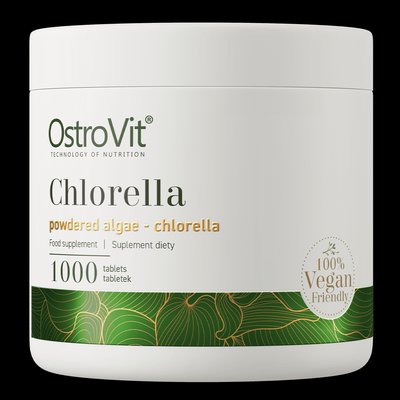 OstroVit Chlorella VEGE€15.90 In stock 1000tabs are available at maxfit.ee.
Use chlorella as part of a varied diet, not as a replacement for evidence-based medicine.
FAQ
Does chlorella actually remove heavy metals from the body?
In vitro, chlorella binds metals. Human clinical evidence for significant heavy-metal removal in healthy adults is lacking. Pharmaceutical chelation is required for actual heavy-metal toxicity.
Is chlorella a good source of vitamin B12 for vegans?
Research suggests that the B12 in chlorella is bioavailable, making it a potential source for vegans, though regular blood-level monitoring is advisable.
Can chlorella cause any side effects?
Chlorella can cause digestive discomfort, particularly when starting supplementation. It also contains iodine, which may be a concern for those with thyroid conditions.
References
Nakano, S., Noguchi, T., Takekoshi, H., Suzuki, G., & Nakano, M. (2005). Maternal-fetal distribution and transfer of dioxins in pregnant women in Japan, and attempts to reduce maternal transfer with Chlorella (Chlorella pyrenoidosa) supplements. Chemosphere, 61(9), 1244-1255. https://pubmed.ncbi.nlm.nih.gov/15985279/
Kwak, J. H., Baek, S. H., Woo, Y., Han, J. K., Kim, B. G., Kim, O. Y., & Lee, J. H. (2012). Beneficial immunostimulatory effect of short-term Chlorella supplementation: enhancement of natural killer cell activity and early inflammatory response. Nutrition Journal, 11, 53. https://pubmed.ncbi.nlm.nih.gov/22849818/
Ryu, N. H., Lim, Y., Park, J. E., Kim, J., Kim, J. Y., Kwon, S. W., & Kwon, O. (2014). Impact of daily Chlorella consumption on serum lipid and carotenoid profiles in mildly hypercholesterolemic adults: a double-blinded, randomized, placebo-controlled study. Nutrition Journal, 13, 57. https://pubmed.ncbi.nlm.nih.gov/24920270/



