Chlorella After 50: Benefits & Safety
Chlorella is a single-celled freshwater green algae that has been used as a food supplement for decades. Dense in chlorophyll, B vitamins, iron, and protein relative to its size, it has attracted interest among older adults looking for a nutrient-dense whole-food supplement. After 50, however, both the potential benefits and the relevant safety considerations take on a specific character.
Age-Related Reasons to Consider Chlorella
Several aspects of chlorella's nutrient profile align with common needs after age 50.
Chlorella is a notable plant source of vitamin B12, which is relevant for older adults because B12 absorption tends to decline with age due to reduced gastric acid production. However, the B12 in chlorella is partly in analogue forms that may not be fully bioavailable, so it should not be relied upon as the sole source.
Chlorella contains iron and folate, nutrients that are often monitored in older populations. It also provides antioxidant compounds including chlorophyll and lutein. A small randomised controlled trial found that chlorella supplementation was associated with improvements in antioxidant status markers in healthy adults (Nakashima et al., 2009).
Immune support is another commonly cited area. Research suggests that certain polysaccharides in chlorella may modulate immune function (Kwak et al., 2012), which is of interest to older adults given the general trend toward immune dysregulation with advancing age.
Absorption Considerations for Older Adults
Chlorella's cell wall must be broken down for nutrients to be absorbed. Most quality supplements use cracked cell wall or broken cell wall chlorella to improve bioavailability. Older adults with any digestive concerns should specifically look for this designation.
Digestive tolerance varies. Some people experience mild bloating or changes in bowel habits when starting chlorella. Beginning with a small amount and increasing gradually is advisable, especially after 50 when digestive sensitivity may be higher.
Dose and Safety
Studies in adults have typically used doses in the range of three to ten grams per day. At these levels, chlorella is generally well tolerated by healthy adults. It is important to choose a certified product tested for heavy metal contamination, as algae can accumulate environmental contaminants if not produced under controlled conditions.
ICONFIT Superfoods Organic Chlorella Powder 125g is an organic certified option that can be mixed into smoothies or water, offering flexibility in dosing. OstroVit Chlorella 250g and 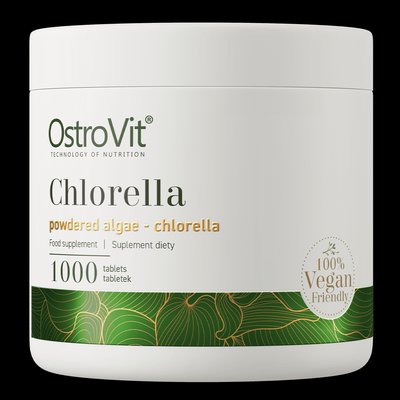 OstroVit Chlorella VEGE€15.90 In stock 1000tabs provide convenient forms for consistent daily use. All are available at maxfit.ee in the /en/category/klorella section.
Interactions with Medication After 50
Chlorella contains significant vitamin K, which can interfere with anticoagulant medications such as warfarin by countering their blood-thinning effect. Anyone on blood thinners should discuss chlorella with their prescribing doctor before use.
Because chlorella may modulate immune function, people on immunosuppressive medications should also exercise caution. The detoxifying claims sometimes made about chlorella — particularly regarding heavy metals — are not strongly supported by clinical evidence in humans, so this should not be a primary reason for choosing it as a supplement.
When to Supplement with Chlorella After 50
Chlorella can be a useful nutritional complement for older adults who:
- Want a whole-food source of chlorophyll, B vitamins, and trace minerals
- Are looking for plant-based iron in a food matrix rather than an isolated iron supplement
- Want to add an antioxidant-rich green food without significant caloric load
It is not a replacement for prescribed medications, targeted vitamin D supplementation, or a well-planned diet. It works best as part of a broader approach to nutrition. The /en/category/immuunsus category at maxfit.ee includes additional immune-support options to consider alongside chlorella.
FAQ
Is chlorella safe to take every day after age 50?
For most healthy adults, daily use of chlorella at standard doses is considered safe. The key precautions are ensuring the product is certified for heavy metal purity and checking for interactions with warfarin or immunosuppressive drugs if relevant.
Can chlorella help with energy levels in older adults?
Chlorella provides B vitamins and iron, both of which contribute to normal energy metabolism. If low energy stems from a deficiency in either of these nutrients, chlorella may offer modest support. For specific deficiencies, however, targeted supplementation with tested dosages is more reliable.
How should older adults start taking chlorella to minimise digestive discomfort?
Start with a small amount — for example, one gram per day — and increase over one to two weeks. Taking it with food and drinking plenty of water also helps. If digestive symptoms persist, consider switching between powder and tablet forms to see which is better tolerated.
References
Nakashima, Y., Ohsawa, I., Konishi, F., Hasegawa, T., Kumamoto, S., Suzuki, Y., & Ohta, S. (2009). Preventive effects of Chlorella on cognitive decline in age-dependent dementia model mice. Neuroscience Letters, 464(3), 193-198. https://pubmed.ncbi.nlm.nih.gov/19699777/
Kwak, J. H., Baek, S. H., Woo, Y., Han, J. K., Kim, B. G., Kim, O. Y., & Lee, J. H. (2012). Beneficial immunostimulatory effect of short-term Chlorella supplementation: enhancement of natural killer cell activity and early inflammatory response. Nutrition Journal, 11, 53. https://pubmed.ncbi.nlm.nih.gov/22849818/



