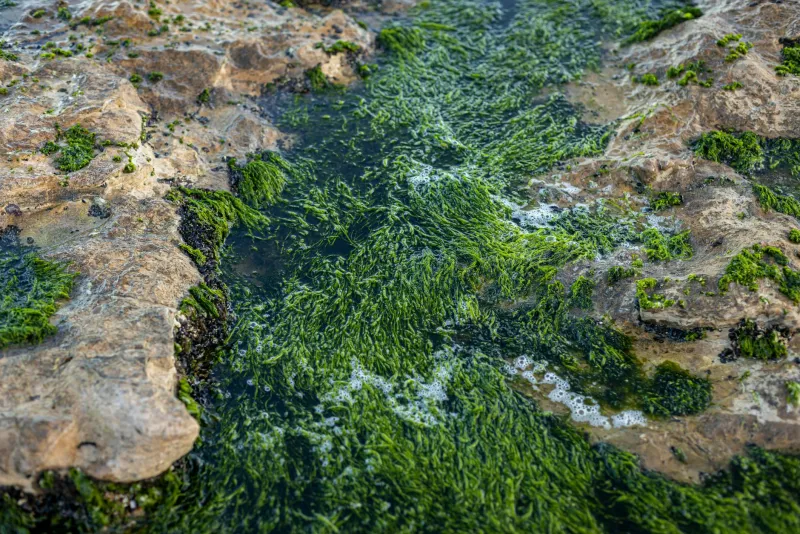
Understanding Chlorella Deficiency
Chlorella is a single-celled freshwater green algae that has become a popular dietary supplement. Unlike vitamins or minerals, it is not classified as an essential nutrient, and there is no "chlorella deficiency" as a defined clinical condition. You will not develop a specific disease from the absence of chlorella in your diet.
However, because chlorella is exceptionally nutrient-dense — providing protein, chlorophyll, vitamins, minerals, omega-3 fatty acids, and unique compounds such as Chlorella Growth Factor (CGF) — it is relevant for people whose diets are low in these nutrients individually. The concept of "needing chlorella" is better framed as: who might benefit from what chlorella provides?
Symptoms That May Indicate You Could Benefit
Frequent Infections and Poor Immunity
Chlorella contains meaningful amounts of zinc, vitamin C, iron, and beta-glucans — all of which play roles in immune function. People who experience frequent respiratory infections, prolonged recovery from illness, or generally compromised immunity may find chlorella a practical multi-nutrient addition.
A randomised controlled trial found that chlorella supplementation resulted in enhanced natural killer cell activity and interferon-gamma production, markers of innate immune function, in healthy adults (Kwak et al., 2012).
Exposure to Heavy Metal Concerns
Chlorella is marketed partly for its ability to bind heavy metals in the gastrointestinal tract. The evidence for chlorella as a chelating agent in healthy adults is modest, but animal studies and some human observational data suggest it may reduce gastrointestinal absorption of certain metals when taken alongside food. This is a niche application and not a substitute for medical assessment of heavy metal exposure.
Low Dietary Nutrient Density
Chlorella is approximately 50–60% protein by dry weight and is one of the most concentrated plant sources of B12 in nature — though the form is debated regarding its bioavailability for humans. It is also a meaningful source of iron, magnesium, zinc, and folate. For vegans, vegetarians, or anyone with a restricted diet who is not meeting micronutrient targets, chlorella functions as a whole-food micronutrient top-up.
Detoxification and Liver Support
Chlorophyll, present in high concentrations in chlorella, is thought to support liver function and act as a mild antioxidant. While the clinical evidence is limited, people concerned about liver health, high alcohol intake, or environmental toxin exposure may consider chlorella as part of a broader health strategy.
At-Risk Groups
- Vegans and vegetarians: Chlorella can fill gaps in zinc, iron, B12 (though bioavailability is debated), and omega-3 profiles common in plant-based diets.
- People with high environmental exposures: Individuals living in industrial areas or with occupational exposures to metals.
- Athletes with immune stress: Heavy training suppresses immune function temporarily (open window effect). Chlorella's immune-supportive nutrients may be relevant.
- People eating processed or restrictive diets: Low dietary diversity reduces overall micronutrient intake; chlorella provides broad-spectrum supplementation in a compact form.
- Older adults: Reduced food intake and diminished absorption efficiency make concentrated nutrient sources like chlorella more relevant.
How It Is Tested
There is no blood test for "chlorella status." The decision to use it is based on assessment of dietary gaps, immune health history, and functional goals. Standard blood panels for iron, ferritin, B12, folate, and zinc are relevant for assessing the underlying nutritional gaps that chlorella may address.
Nordic and Estonian Context
In Estonia, the dark winter months bring reduced sunlight (lowering vitamin D), reduced consumption of fresh green vegetables, and greater reliance on processed foods. This seasonal dip in dietary micronutrient density creates a period where a concentrated green supplement like chlorella has practical value. Chlorella's chlorophyll and nutrient density make it a more biodiverse alternative to standard multivitamins for people who prefer whole-food-derived supplements.
When to Supplement vs Diet
Chlorella's nutritional profile cannot be meaningfully replicated from common foods because it is itself an algae, not a standard dietary ingredient. The closest food analogues are other algae (spirulina), dark leafy greens, and organ meats — which most Estonians eat infrequently.
Products available at maxfit.ee include ICONFIT Superfoods Organic Chlorella Powder 125g, OstroVit Chlorella 250g, and 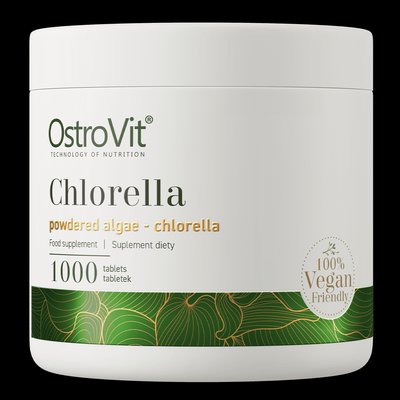 OstroVit Chlorella VEGE€15.90 In stock 1000tabs. Visit the chlorella category at maxfit.ee.
Note on quality: Chlorella should be broken-cell or cracked-wall formulations for optimal nutrient absorption — the intact cell wall of chlorella is difficult to digest without processing. Always check that the product specifies broken-cell chlorella.
References
Kwak, J. H., Baek, S. H., Woo, Y., Han, J. K., Kim, B. G., Kim, O. Y., & Lee, J. H. (2012). Beneficial immunostimulatory effect of short-term Chlorella supplementation: enhancement of natural killer cell activity and early inflammatory response. Nutrition Journal, 11, 53. https://pubmed.ncbi.nlm.nih.gov/22849818/
Tsaluchidu, I., Cocchi, M., Tonello, L., & Puri, B. K. (2008). Fatty acids and oxidative stress in psychiatric disorders. BMC Psychiatry, 8(Suppl 1), S5. https://pubmed.ncbi.nlm.nih.gov/18433515/
Abdelnour, S. A., Abd El-Hack, M. E., Khafaga, A. F., Arif, M., Taha, A. E., & Noreldin, A. E. (2019). Stress biomarkers and proteomics alteration to thermal stress in ruminants: a review. Journal of Thermal Biology, 79, 120-134. https://pubmed.ncbi.nlm.nih.gov/30612672/
FAQ
Is chlorella better than spirulina?
Both are algae-based supplements with overlapping nutritional profiles. Chlorella has more chlorophyll and is studied for heavy metal binding. Spirulina has a higher protein-to-chlorophyll ratio. They are often combined. Neither is superior for all purposes — the best choice depends on your specific nutritional goals.
Does chlorella help with detoxification?
Chlorella has a unique cell wall structure and is studied for binding heavy metals in the gastrointestinal tract in animal models. Human clinical evidence is limited. It may modestly support elimination of certain compounds when taken consistently, but it is not a medical detoxification treatment.
How much chlorella should I take daily?
Typical supplement products suggest 3–6 g per day as a starting point, divided across meals. Check your specific product's label for the recommended serving. Start lower and increase gradually if you are new to algae supplements, as some people experience digestive changes initially.



