How to Maximize Chlorella Absorption
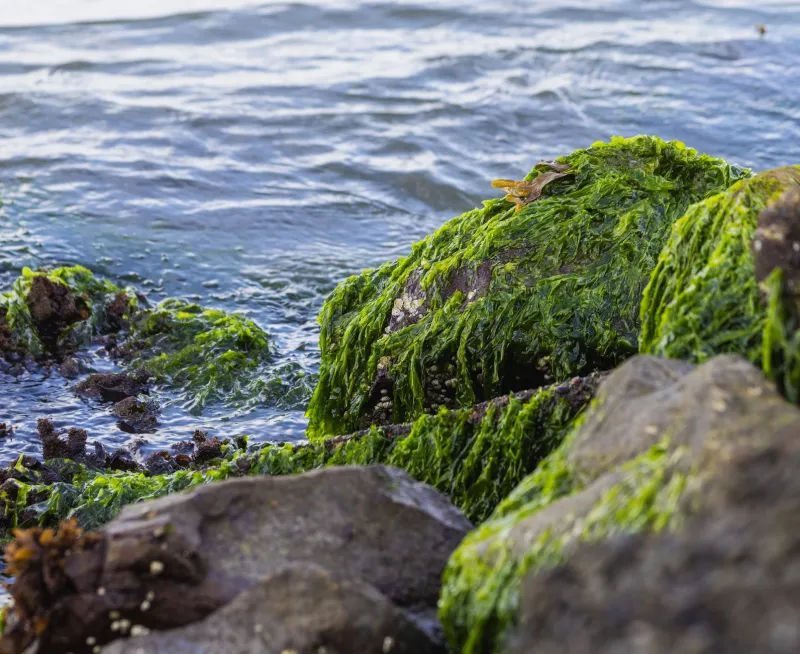
Chlorella is a single-celled freshwater green algae prized for its protein content, chlorophyll, B vitamins, and mineral profile. It is widely consumed as a supplement in tablet or powder form. The major challenge with chlorella absorption, however, is its thick, rigid cellulose cell wall — a structure the human digestive system cannot break down effectively on its own. Understanding this bottleneck and how to work around it is the key to getting genuine nutritional value from chlorella.
What Limits Chlorella Absorption
The Cell Wall Problem
Chlorella's cell wall is composed primarily of non-digestible cellulose and sporopollenin. Without processing, most of the cellular contents — proteins, vitamins, minerals, and chlorophyll — remain locked inside. Studies have shown that cell wall-intact chlorella has substantially lower nutrient bioavailability than processed forms, with protein digestibility in particular being limited in intact preparations.
Form-Dependent Bioavailability
The processing method determines how much nutrition you actually absorb:
- Cracked or broken cell wall chlorella: mechanical disruption (pressure, milling) opens the cell wall, greatly improving access to internal nutrients.
- Spray-dried or freeze-dried powder: these processes improve surface area and solubility compared with whole dried algae, though they do not necessarily break the cell wall.
- Tablets vs powder: tablets are convenient but the compression process may vary; a powder mixed into liquid may expose more surface area than a compressed tablet passing unchanged through the stomach.
Cofactors That Help
Vitamin C
Chlorella contains non-haem iron, which is less efficiently absorbed than haem iron from animal sources. Vitamin C (ascorbic acid) significantly enhances non-haem iron absorption by reducing Fe3+ to the more soluble Fe2+ form. Consuming chlorella alongside a vitamin C-rich food or a vitamin C supplement can meaningfully improve iron uptake from the algae.
Healthy Fats
Chlorella contains fat-soluble compounds including carotenoids (beta-carotene, lutein) and chlorophyll. As with other fat-soluble nutrients, co-ingestion with a small amount of dietary fat supports absorption. Adding a few grams of oil or nuts to the meal in which you take chlorella is a simple, effective strategy.
Form and Timing Effects
Broken Cell Wall vs Intact Chlorella
This is the most impactful decision for chlorella absorption. A product labelled "broken cell wall" or "cracked cell wall" has been mechanically processed to open the cells. Bito et al. (2020) demonstrated that broken-cell-wall chlorella had meaningfully higher protein and cobalamin (vitamin B12 analog) accessibility than intact preparations. When choosing a chlorella product, cell wall treatment is the primary quality indicator to look for.
Powder vs Tablets
Powder forms generally offer faster dissolution and better contact with digestive enzymes. Tablets are practical but should ideally disintegrate fully in the stomach. If you use tablets, swallow with adequate water and consider taking with meals to stimulate gastric acid and enzyme secretion, which supports digestion.
Timing
There is no established optimal time of day for chlorella supplementation from an absorption standpoint. Taking it with meals provides cofactors (fat, vitamin C from food) that may support absorption of its minerals and fat-soluble compounds. Some people prefer mornings to take advantage of any energy-supporting B vitamins early in the day.
Food Pairings
- Citrus fruits or vitamin C-rich vegetables alongside chlorella improve non-haem iron absorption from the algae.
- A fat source — olive oil, avocado, nuts — supports carotenoid and chlorophyll uptake.
- Avoid calcium-rich foods in the same meal at very high doses: calcium can compete with iron absorption, though the effect is modest at normal food amounts.
- Smoothies with chlorella powder combine all these factors naturally: fruit provides vitamin C, nut butter or seeds provide fat, and the liquid medium exposes a large surface area.
Practical Tips for Best Chlorella Absorption
- Choose broken or cracked cell wall chlorella — this single factor has the largest impact on nutrient accessibility.
- Take with a meal that includes some fat and a vitamin C source.
- Prefer powder in a smoothie over tablets if maximising absorption is a priority.
- Start with a smaller dose and build up gradually — some people experience mild digestive discomfort when beginning chlorella due to its detoxifying properties and fibre content.
- Check for third-party testing to ensure the product is free from heavy metals, as algae can bioaccumulate environmental contaminants.
Products like ICONFIT Superfoods Organic Chlorella Powder 125g, OstroVit Chlorella 250g, and 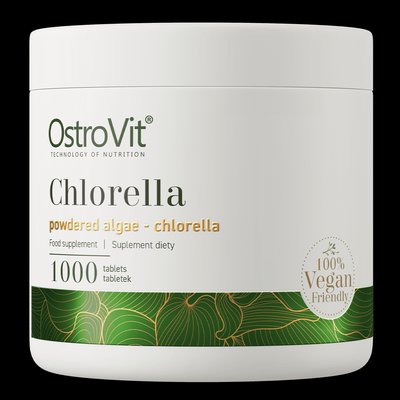 OstroVit Chlorella VEGE€15.90 In stock 1000tabs are available at maxfit.ee. For complementary superfood support, see our immune support range.
FAQ
Does chlorella really contain vitamin B12?
Chlorella contains a compound referred to as a vitamin B12 analog, but the biologically active form of B12 for humans (methylcobalamin or adenosylcobalamin) may differ from the pseudocobalamin found in many algae. Broken cell wall chlorella has better B12 accessibility than intact forms, but chlorella should not be relied upon as the sole B12 source, especially for vegans who have no other animal-product intake.
Can I take chlorella every day?
Yes, regular daily use is common and generally well-tolerated in healthy adults. Building the dose gradually reduces the likelihood of initial digestive discomfort. As with any supplement, consult a healthcare provider if you have thyroid conditions (due to iodine content) or are immunocompromised.
Is chlorella good for detoxification?
Some research in animal models and small human studies suggests chlorella may bind certain heavy metals and support their excretion. The evidence in healthy humans with normal toxin exposure is limited. Claiming chlorella as a general detoxifier for everyday use overstates what the science currently demonstrates.
References
Safi, C., Charton, M., Pignolet, O., Silvestre, F., Vaca-Garcia, C., & Pontalier, P. Y. (2013). Influence of microalgae cell wall characteristics on protein extractability and determination of nitrogen-to-protein conversion factors. Journal of Applied Phycology, 25(2), 523-529. https://doi.org/10.1007/s10811-012-9886-1



