
What Recent Trials Show on Children's Vitamins
Children's vitamins research has continued to evolve, with several important trials clarifying which supplements offer meaningful benefit, which are primarily reassurance for parents, and which deserve more cautious interpretation. This update focuses on the most-supplemented nutrients in children and what the current evidence shows.
Vitamin D: Northern Latitude Reality
For children in northern Europe, vitamin D supplementation remains one of the most evidence-grounded recommendations in paediatric nutrition. Sun exposure in Estonia and similar latitudes is insufficient to maintain adequate vitamin D status for much of the year, and dietary sources alone rarely meet children's needs.
A Cochrane-level systematic review found that vitamin D supplementation reduced the risk of acute respiratory infections in children and adults (Martineau et al., 2017). This finding is particularly relevant for school-age children in autumn and winter. Many paediatric bodies recommend routine vitamin D supplementation for children in northern latitudes throughout the year, not just in winter.
The key practical question is dose. National guidelines typically recommend moderate daily doses for children, but specific amounts vary by age and body weight – consult your healthcare provider for current country-specific recommendations.
Omega-3: Cognition and Behaviour
The relationship between omega-3 fatty acids (specifically DHA and EPA) and child development is one of the more actively studied areas in paediatric nutrition. DHA accumulates in brain tissue during development and is important for neuronal membrane function.
A meta-analysis examining omega-3 supplementation in children with attention difficulties found modest but statistically significant improvements in attention and behaviour in some studies, though the effect size was small and not all trials were positive (Chang et al., 2018). For children with no clinical diagnosis, evidence for cognitive enhancement with omega-3 supplementation in well-nourished children is weak. The clearest benefit is seen in populations with low fish intake, where supplementation may fill a genuine dietary gap.
Iron: Only Supplement If Deficient
Iron deficiency is the most common nutritional deficiency globally and affects cognitive development, physical growth, and immune function in children. However, iron supplementation in children who are not deficient offers no benefit and may cause gastrointestinal side effects.
Testing ferritin levels before starting iron supplementation is strongly recommended. Risk groups for iron deficiency in children include:
- Children on predominantly plant-based diets
- Toddlers drinking excessive amounts of cow's milk (which is low in iron and may displace iron-rich foods)
- Children from food-insecure households
Multivitamins in Children
For children eating a varied diet, evidence that multivitamin supplementation provides measurable health benefits is limited. The main rationale for routine multivitamin use in children is as a nutritional safety net for picky eaters, children with restricted diets, or those in geographic areas with known soil nutrient depletion.
Products such as MST Vitamin Kick - 60 Tablets, NOW Daily Vits 30 veg. caps., and 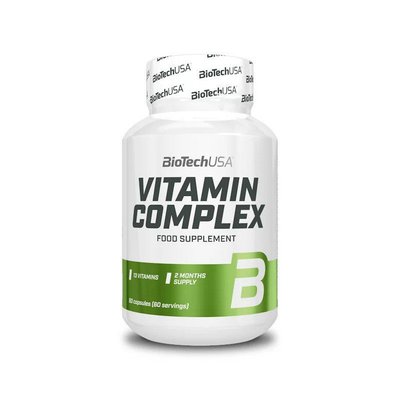 BIOTECHUSA Vitamin Complex€10.90 In stock 60caps are available in the vitamins category at maxfit.ee and provide a broad micronutrient base for children and adults alike.
Shifts in Scientific Consensus
Several positions have shifted in recent years:
- Vitamin D supplementation in northern children is now more firmly recommended by paediatric bodies, particularly through the darker months
- High-dose single-vitamin supplementation in children without deficiency is less supported than previously, with concerns about fat-soluble vitamin accumulation (particularly vitamins A and D at pharmacological doses)
- Probiotic use has gained more evidence in specific contexts (antibiotic-associated diarrhoea, atopic dermatitis), though the field is still developing regarding broader health claims
- Zinc supplementation in children with frequent infections has some supportive evidence (Lassi et al., 2016), particularly in populations with marginal zinc status
Still-Open Questions
- The precise mechanisms and long-term outcomes of omega-3 supplementation in children with neurodevelopmental conditions require further RCT-level evidence
- The optimal vitamin D level for paediatric bone, immune, and cognitive health is not fully resolved
- Whether multivitamins in well-nourished children with varied diets provide any measurable benefit over placebo for long-term health outcomes remains largely unanswered
What It Means Practically
For most children eating a reasonably varied diet in northern Europe:
- Vitamin D supplementation through autumn and winter (and potentially year-round) is well-supported – check local health authority guidance for recommended doses
- Omega-3 supplementation is most justified for children eating little to no fish – two portions of oily fish per week is still the preferred dietary approach
- Iron – test, do not guess. Iron supplementation in iron-sufficient children is not beneficial
- Multivitamins – justified for picky eaters, plant-based children, or those with restricted diets; not necessary as routine for varied-diet children
Bottom Line
The evidence on children's vitamins continues to mature and generally favours targeted supplementation over broad routines. Vitamin D in northern latitudes, omega-3 for low-fish eaters, and iron correction for confirmed deficiency remain the best-supported interventions. For most well-nourished children, a simple balanced diet supplemented with vitamin D covers the evidence-based bases.
References
Martineau, A. R., Jolliffe, D. A., Hooper, R. L., Greenberg, L., Aloia, J. F., Bergman, P., Dubnov-Raz, G., Esposito, S., Ganmaa, D., Ginde, A. A., Goodall, E. C., Grant, C. C., Griffiths, C. J., Janssens, W., Laaksi, I., Manaseki-Holland, S., Mauger, D., Murdoch, D. R., Neale, R., Rees, J. R., Simpson, S. Jr., Stelmach, I., Kumar, G. T., Urashima, M., & Camargo, C. A. Jr. (2017). Vitamin D supplementation to prevent acute respiratory tract infections. BMJ, 356, i6583. https://pubmed.ncbi.nlm.nih.gov/28202713/
Chang, J. P., Su, K. P., Mondelli, V., & Pariante, C. M. (2018). Omega-3 polyunsaturated fatty acids in youths with attention deficit hyperactivity disorder. Neuropsychopharmacology, 43(3), 534–545. https://pubmed.ncbi.nlm.nih.gov/28741625/
Lassi, Z. S., Moin, A., & Bhutta, Z. A. (2016). Zinc supplementation for the prevention of pneumonia in children aged 2 months to 59 months. Cochrane Database of Systematic Reviews, 12, CD005978. https://pubmed.ncbi.nlm.nih.gov/27915460/
FAQ
At what age should children start taking vitamin D?
Most paediatric guidelines recommend vitamin D from the first weeks of life for breastfed infants (who receive minimal vitamin D from breast milk) and continuing through childhood and adolescence in northern latitudes. The specific dose varies by age and should be confirmed with your paediatrician.
Are gummy vitamins as effective as tablets for children?
Gummy vitamins can be an effective delivery format if children resist tablets or capsules. However, parents should be aware that gummies sometimes contain lower doses of certain nutrients than standard tablets, may omit iron (due to risk of overconsumption), and add sugar. Check the label carefully and ensure the dose matches what your child needs.
Do children need omega-3 supplements if they eat fish regularly?
Children who eat oily fish (salmon, herring, mackerel) twice a week likely get sufficient DHA and EPA from their diet and do not need omega-3 supplementation. The supplement is most useful as a dietary gap filler for children who avoid fish entirely.



