Chaga After 50: What You Need to Know
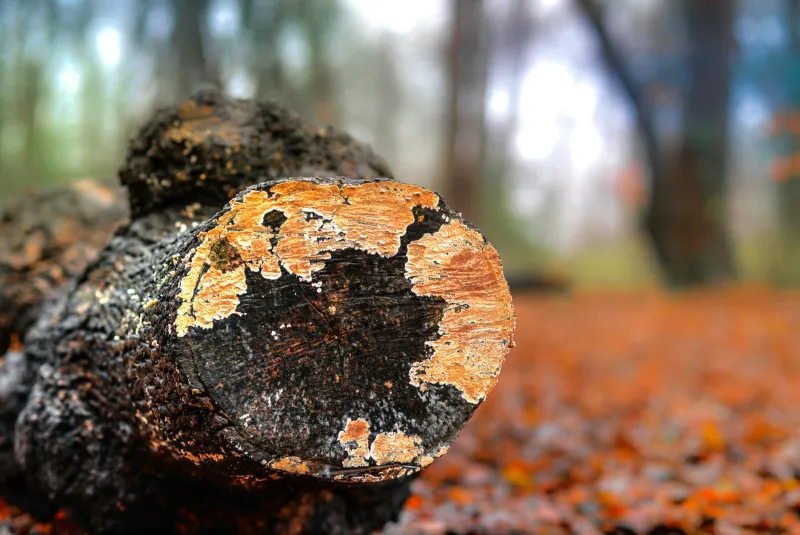
Chaga (Inonotus obliquus) is a parasitic fungus that grows primarily on birch trees across Northern Europe, Siberia, and Canada. It has been used for centuries in traditional medicine — particularly in Russian and Finnish folk healing. Today, chaga for seniors attracts interest because ageing brings specific changes to immune function and oxidative stress that chaga may theoretically address.
Age-Related Need
After 50, several physiological changes occur that supplements may theoretically support:
- Immunosenescence: the well-documented functional decline of the immune system with age. Beta-glucans found in chaga sclerotia are being researched as immunomodulators.
- Increased oxidative stress: cellular damage from free radicals accumulates over time. Chaga contains high concentrations of melanin-complex and polyphenol antioxidants.
- Inflammatory changes: chronic low-grade inflammation (sometimes called "inflammaging") is associated with age-related conditions.
These background factors make chaga potentially interesting for older adults, though specific clinical evidence in this age group remains limited.
Absorption Changes
Digestive efficiency can decrease with age — gastric acidity declines, the mucosal layer thins. This affects some nutrients, but the absorption of bioactive compounds from mushroom extracts has not been well studied specifically in older adults. Theoretically, the water-soluble fraction obtained by hot-water extraction (beta-glucans) may be absorbed more reliably than alcohol-extracted fractions, but clinical data are sparse.
Dose & Safety
Amounts used in chaga research vary considerably: animal and in vitro studies use different concentrations that do not translate directly to oral doses in humans. General observations:
- Most product labels recommend dry-extract amounts that differ by brand — always follow the product instruction.
- Chaga naturally contains oxalates. For individuals with a history of kidney problems, this is clinically relevant, as oxalates can contribute to kidney stone formation.
- Clinically significant toxicity at standard amounts has not been documented in human studies, but long-term safety trials are few.
OstroVit Chaga 240mg 60caps and OstroVit Chaga Extract 240mg 50g are available at maxfit.ee and are convenient options for standardised chaga supplementation.
Interactions with Medication
This point is particularly important for older adults, who more frequently take medications. Areas requiring attention:
- Anticoagulants (e.g. warfarin): chaga contains betulinic acid, which has a potential platelet-aggregation inhibiting effect — this may theoretically increase bleeding risk when combined with blood-thinning medications (Gery et al., 2007).
- Diabetes medications: some data suggest chaga may have a blood-glucose-lowering effect — those using insulin or oral diabetes drugs should monitor glucose.
- Immunosuppressants: theoretically, immunomodulatory mushrooms may alter effects when used alongside immunosuppressant drugs — consult a physician.
If you take any regular medications, speak to a healthcare provider before starting chaga.
When to Supplement
Chaga is best suited after age 50 for healthy individuals wishing to support antioxidant protection and general immune function within a healthy lifestyle. It is not appropriate as a replacement for medical treatment of any condition. Most conveniently taken in the morning with food to reduce the risk of gastric discomfort.
Bottom Line
Chaga is a traditional medicinal mushroom whose scientific study has grown, but clinical human trials — especially in older age groups — remain limited. Its antioxidant and immunomodulatory potential makes it interesting, but older adults taking medications should always discuss potential interactions with a healthcare provider first.
FAQ
Is chaga safe for older adults?
For most healthy seniors, chaga at reasonable amounts is generally considered well-tolerated. Those with kidney problems or who take anticoagulants should consult a healthcare provider before starting.
Is chaga better in capsule or powder form?
Both are suitable if the product is standardised for active compounds. Capsules are more convenient for dosing; powder offers more flexibility. Choose a reputable brand with clear labelling.
How long should you try chaga before expecting results?
Supplement effects are often gradual. To assess antioxidant or immunomodulatory effects, a minimum of 4-8 weeks is a reasonable timeframe, though individual differences are significant.
References
Gery, A., Dubreule, C., Andre, V., Rioufol, C., Carricajo, A., Gilles, G., & Auger, F. (2007). Chaga (Inonotus obliquus), a future potential medicinal fungus in oncology? A chemical study and a comparison of the cytotoxicity against human lung adenocarcinoma cells (A549) and human bronchial epithelial cells (BEAS-2B). Integrative Cancer Therapies, 6(3), 316-324.
Kim, Y. O., Park, H. W., Kim, J. H., Lee, J. Y., Moon, S. H., & Shin, C. S. (2006). Anti-cancer effect and structural characterization of endo-polysaccharide from cultivated mycelia of Inonotus obliquus. Life Sciences, 79(1), 72-80.
Zhong, X. H., Wang, L. B., Sun, D. A., Zhu, J. R., & Zhou, Y. J. (2009). Effects of inotodiol from Inonotus obliquus on proliferation and apoptosis of human breast cancer MCF-7 cells. Natural Products Research and Development, 21, 778-782.



