
What Long-Term Studies Show About Calcium Supplementation
Calcium is the most abundant mineral in the human body and is essential for bone mineralisation, muscle contraction, nerve signalling, and vascular function. Most of the body's calcium is stored in bones and teeth. The skeleton functions as a metabolically active reservoir — constantly being remodelled throughout life.
Long-term calcium supplementation has been studied extensively in the context of bone density and fracture prevention. A meta-analysis including over 8,000 participants found that calcium supplementation (alone or with vitamin D) was associated with modest improvements in bone mineral density across multiple skeletal sites (Tai et al., 2015). The effect on fracture risk reduction was more modest and context-dependent.
The cardiovascular safety of high-dose calcium supplementation has been debated following observational data suggesting a possible association between supplement-derived calcium (not dietary calcium) and cardiovascular events. This relationship remains contested: a subsequent large analysis found no significant cardiovascular risk with calcium supplementation within tolerable upper limits when taken as part of a balanced diet (Bolland et al., 2011). The key practical takeaway is that getting calcium predominantly from food rather than supplements, supplementing only when diet falls short, and staying within established upper limits appears to carry the lowest risk profile.
Upper Safe Limits Over Time
Established tolerable upper intake levels for calcium in adults sit at 2,500 mg per day for adults aged 19–50 and 2,000 mg per day for those over 50. These limits encompass both food and supplement sources combined. Most dietary patterns in Estonia and the broader European context provide roughly 600–900 mg through food, leaving substantial headroom before supplemental calcium would approach tolerable upper limits at standard supplement doses.
Exceeding these levels consistently over time can contribute to hypercalcaemia and — in individuals with certain risk factors — may promote kidney stone formation.
Do You Need to Cycle Calcium?
Unlike some ergogenic supplements where cycling is debated, calcium is an essential nutrient required continuously for normal physiology. Cycling (intermittent use with planned breaks) is not a standard recommendation for calcium. Continuous adequate intake aligned with dietary needs and the established upper limits is the appropriate approach.
The practical question is not whether to cycle, but whether supplementation is necessary given your individual dietary intake. People who regularly consume calcium-rich foods (dairy, fortified plant milks, leafy greens, fish with bones) may not need supplemental calcium at all.
Monitoring
For most healthy adults taking calcium supplements at typical doses (500–1,000 mg per day from supplements, when diet is assessed), periodic monitoring is not routinely necessary. However, for individuals on high-dose calcium supplementation over extended periods, or those with kidney disease, hyperparathyroidism, or other conditions affecting calcium metabolism, clinical monitoring of serum calcium and kidney function is sensible.
Calcium and vitamin D work closely together — vitamin D is essential for intestinal calcium absorption. Combining calcium with vitamin D is standard practice and well-supported. OstroVit Vitamin D3 + K2 + Calcium 90tabs and BIOTECHUSA Ca-D3-K2 90caps are combination products available at maxfit.ee in the calcium category that address this synergy. 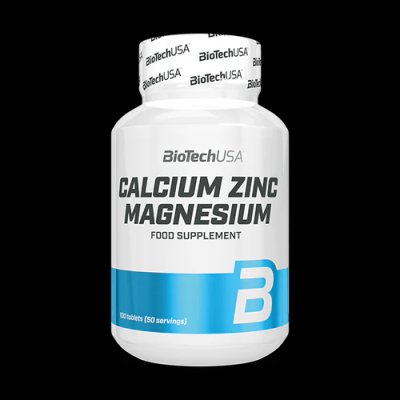 BIOTECHUSA Calcium Zinc Magnesium€13.90 In stock 100tab covers multiple mineral bases simultaneously.
Vitamin K2 is increasingly included alongside calcium and D3 in supplement formulations: K2 in its MK-7 form directs calcium toward bone rather than soft tissues, which addresses some of the theoretical cardiovascular concerns around calcium supplementation.
Honest Verdict
Calcium supplementation at doses within established upper limits appears safe for long-term use in healthy adults, particularly when combined with vitamin D3 and K2. The cardiovascular debate applies to high-dose supplementation in isolation — not to moderate supplemental calcium filling a genuine dietary gap. Priority should be given to calcium-rich foods; supplements serve as a safety net when diet falls short. Cycling is not indicated. Anyone with existing kidney disease or calcium metabolism disorders should seek medical guidance before supplementing.
FAQ
Can too much calcium from supplements cause kidney stones?
Excess calcium from supplements — particularly when taken apart from meals — has been associated with higher kidney stone risk in some observational studies. Taking calcium supplements with meals reduces this risk, as calcium binds dietary oxalate in the gut. Staying within tolerable upper limits is the most important protective factor.
Should I take calcium with vitamin D?
Yes. Vitamin D is essential for intestinal calcium absorption. Without adequate vitamin D, even generous calcium intake is poorly absorbed. Most clinical guidelines and combination supplement products reflect this synergy. Vitamin K2 is an additional useful co-factor that supports proper calcium deposition in bone.
How much calcium do I actually need from supplements?
This depends on your dietary calcium intake. If your daily diet provides around 800–1,000 mg from food (dairy, fortified foods, leafy greens), additional supplementation may provide only marginal benefit. If your dietary intake is substantially lower — for example, on a strict dairy-free diet without fortified alternatives — filling the gap with 500–1,000 mg from supplements makes sense, keeping combined intake within the established daily upper limits.
References
Tai, V., Leung, W., Grey, A., Reid, I. R., & Bolland, M. J. (2015). Calcium intake and bone mineral density: systematic review and meta-analysis. BMJ, 351, h4183. https://pubmed.ncbi.nlm.nih.gov/26420598/
Bolland, M. J., Grey, A., Avenell, A., Gamble, G. D., & Reid, I. R. (2011). Calcium supplements with or without vitamin D and risk of cardiovascular events: reanalysis of the Women's Health Initiative limited access dataset and meta-analysis. BMJ, 342, d2040. https://pubmed.ncbi.nlm.nih.gov/21652754/
Reid, I. R., Bristow, S. M., & Bolland, M. J. (2015). Calcium supplements: benefits and risks. Journal of Internal Medicine, 278(4), 354-368. https://pubmed.ncbi.nlm.nih.gov/26174589/



