
Calcium Deficiency: Why It Matters
Calcium is the most abundant mineral in the human body, with the vast majority stored in bones and teeth. Beyond structural support, calcium is essential for muscle contraction, nerve transmission, and blood clotting. When dietary intake falls short over a prolonged period, the body draws calcium from bone — a process that gradually reduces bone density without obvious short-term symptoms.
Calcium deficiency is a significant public health issue in Northern Europe, including Estonia, where seasonal low sunlight limits vitamin D synthesis, and dietary patterns do not always provide sufficient calcium from dairy or fortified plant alternatives.
Deficiency Symptoms
Mild-to-moderate calcium insufficiency often produces no noticeable symptoms for years. When symptoms do appear, they may include:
- Muscle cramps and spasms, particularly in the legs and feet
- Numbness or tingling in the hands, feet, or around the mouth (a sign of hypocalcaemia rather than chronic insufficiency)
- Weak, brittle nails and slow-growing hair
- Fatigue — calcium is involved in mitochondrial function and muscle energy production
- Dental problems: tooth decay and weak enamel can reflect long-term inadequate intake
- In severe cases: confusion, depression, and cardiac arrhythmia — these warrant medical evaluation
It is important to note that most of these symptoms are non-specific and can have many causes. Only blood serum calcium and, more accurately, bone density testing can confirm calcium status clinically.
At-Risk Groups
Certain populations have higher calcium requirements or poorer absorption:
- Postmenopausal women: Oestrogen supports calcium retention; its decline after menopause accelerates bone loss. A prospective cohort study found that low calcium intake was associated with increased fracture risk in older women (Kanis et al., 2005).
- Adolescents and young adults: Peak bone mass is accumulated primarily before age 30. Inadequate calcium during this window has lasting consequences.
- Vegans and lactose-intolerant individuals: Dairy is the most concentrated dietary calcium source in Western diets. Those who avoid it need consistent attention to non-dairy sources (fortified plant milks, tofu, leafy greens, legumes).
- Athletes with high sweat losses: Calcium is lost in sweat. Endurance athletes and those training in hot environments have higher requirements.
- People with low vitamin D status: Vitamin D is required for intestinal calcium absorption. In Northern Europe, vitamin D insufficiency is common in winter months, compounding inadequate calcium intake.
How Calcium Status Is Tested
A standard blood test measuring serum calcium is not a reliable indicator of long-term calcium status because the body tightly regulates serum levels by mobilising bone calcium when intake is low. A normal serum calcium reading does not mean bone stores are adequate.
Bone mineral density (BMD) measured by DEXA scan is the gold standard for assessing long-term calcium status and fracture risk. In Estonia, DEXA is available at major medical centres and can be arranged through a general practitioner referral.
Parathyroid hormone (PTH) levels can also provide indirect information — elevated PTH often indicates the body is compensating for chronic low calcium intake.
Nordic and Estonian Context
Estonia sits at a northern latitude where solar ultraviolet B radiation is insufficient for vitamin D synthesis for several months of the year. Vitamin D insufficiency is common in the Estonian population, which reduces calcium absorption efficiency. This means that even people meeting calcium intake targets from food may absorb less calcium than expected if vitamin D status is not also adequate.
Estonian dietary surveys indicate that dairy products remain an important calcium source for many residents, but younger adults and those following plant-based diets may have intakes below recommended levels. Fortified plant-based milks and calcium-rich mineral waters can help bridge the gap.
When to Supplement vs Diet
For most healthy adults, obtaining calcium from food is preferable — dietary calcium from dairy and vegetables comes packaged with other nutrients (protein, potassium, magnesium) that support its utilisation.
Supplementation makes most sense when:
- Dietary intake is consistently below target
- Dairy and/or fortified foods are restricted or excluded
- A healthcare provider recommends it based on bone density results
Products available at maxfit.ee for calcium support include OstroVit Vitamin D3 + K2 + Calcium 90tabs, BIOTECHUSA Calcium Zinc Magnesium 100tab, 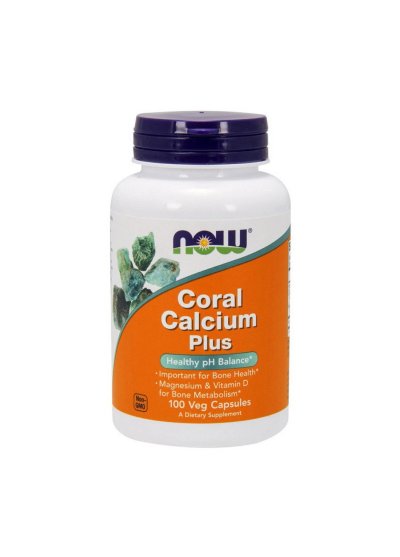 NOW Coral Calcium Plus€15.90 In stock 100 veg. caps., NOW Coral Calcium 1000mg 100 veg. caps., and BIOTECHUSA Ca-D3-K2 90caps. Browse the full range at /en/category/kaltsium.
When supplementing, note that calcium carbonate requires stomach acid for absorption and is best taken with meals, while calcium citrate can be taken on an empty stomach. Vitamin D and vitamin K2 support calcium utilisation and are often combined in the same supplement.
FAQ
Can I take too much calcium?
Excessive calcium intake, particularly from supplements, has been associated with an elevated risk of kidney stones and, in some studies, cardiovascular outcomes. Staying within the reference intake range and obtaining the majority from food reduces this risk. If in doubt, consult a healthcare provider.
Does exercise help calcium status?
Yes. Weight-bearing exercise stimulates bone remodelling and increases bone density. Combined with adequate calcium and vitamin D intake, resistance and impact exercise is one of the most effective strategies for maintaining bone health across the lifespan.
Should I take calcium and vitamin D together?
Yes. Vitamin D is required for efficient intestinal calcium absorption. Many calcium supplement formulations include vitamin D and vitamin K2 in the same product for this reason.
References
Kanis, J. A., Johansson, H., Johnell, O., Oden, A., De Laet, C., Eisman, J. A., Pols, H., & Tenenhouse, A. (2005). Calcium intake and the risk of fracture: a meta-analysis. Journal of Bone and Mineral Research, 20(7), 1118–1123.
Bischoff-Ferrari, H. A., Willett, W. C., Wong, J. B., Giovannucci, E., Dietrich, T., & Dawson-Hughes, B. (2005). Fracture prevention with vitamin D supplementation: a meta-analysis of randomized controlled trials. JAMA, 293(18), 2257–2264. https://pubmed.ncbi.nlm.nih.gov/15886381/
Heaney, R. P. (2000). Calcium, dairy products and osteoporosis. Journal of the American College of Nutrition, 19(2 Suppl), 83S–99S.



