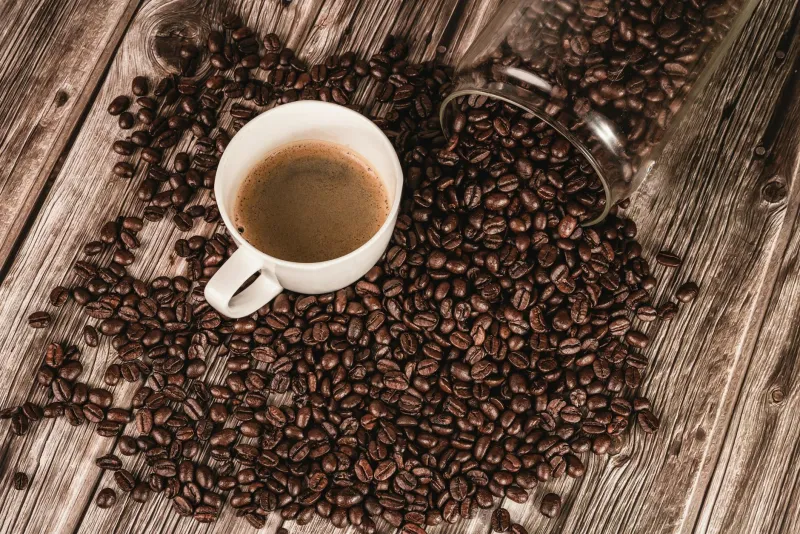
Caffeine Myths vs Facts
Caffeine is the most widely consumed psychoactive substance in the world. Despite decades of research, a remarkable number of caffeine myths persist — in fitness communities, in popular media, and on supplement labels. This article cuts through the noise.
Common Myths
Myth 1: Caffeine Dehydrates You
This is one of the most durable caffeine myths. In moderate amounts, caffeine does have a mild diuretic effect. However, the fluid you consume with a coffee or caffeinated beverage more than compensates for any extra urinary output. A systematic review concluded that caffeinated beverages contribute to daily fluid intake and do not cause net dehydration in habitual users (Killer et al., 2014).
Myth 2: You Should Cycle Off Caffeine Regularly to Reset Tolerance
Tolerance to caffeine's subjective alerting effects does develop with daily use. However, performance-enhancing effects — measured as improved endurance, reaction time, and strength — may persist even in habitual users (Gonçalves et al., 2017). A planned caffeine holiday can restore full sensitivity if desired, but it is not obligatory for most athletes.
Myth 3: Caffeine Is Only for Endurance Athletes
Strength athletes benefit too. Research has found that caffeine can increase peak power output and reduce perceived exertion during resistance training sessions. The evidence covers both trained and recreationally active populations.
Myth 4: Natural Caffeine Is Healthier Than Synthetic Caffeine
The caffeine molecule is identical regardless of source. Whether derived from green tea, guarana, or synthesised in a laboratory, the physiological effects are the same. Marketing that distinguishes natural from synthetic caffeine for health reasons is not supported by biochemistry.
Myth 5: More Caffeine Always Means Better Performance
Dose matters. Above a certain threshold, additional caffeine increases anxiety, causes jitteriness, impairs sleep quality, and can reduce performance via excessive sympathetic nervous system activation. The benefit-to-risk curve is not linear.
What the Evidence Actually Shows
- Caffeine improves endurance performance (Graham, 2001). Effect sizes are well replicated across sports.
- Timing of intake affects outcomes. Caffeine reaches peak plasma concentration roughly 45–60 minutes after ingestion.
- Individual variation is substantial. Genetics (particularly CYP1A2 polymorphisms) influence both metabolism rate and performance response.
- Sleep disruption is the most consistently observed adverse effect at higher doses, especially when taken in the afternoon or evening.
Marketing Claims vs Reality
Pre-workout supplements often stack caffeine with other ingredients and claim synergistic effects. In practice, few ingredients have as strong an evidence base as caffeine alone. OstroVit Caffeine 200mg VEGE 200tabs provides a clean, single-ingredient option — you know exactly what dose you are getting, without proprietary blends that obscure individual ingredient amounts.
Grey Areas
- Caffeine and bone density. Some older observational studies suggested an association with lower bone density; controlled trials have not consistently confirmed this as a meaningful concern at moderate intakes.
- Cardiovascular effects. In healthy adults, moderate caffeine intake is not associated with adverse cardiovascular outcomes. In those with certain conditions, individual response varies and medical guidance is appropriate.
- Caffeine during pregnancy. Regulatory bodies recommend limiting intake; this is an area where precaution is warranted.
Bottom Line
Caffeine has one of the strongest evidence bases of any ergogenic aid. Its myths are mostly exaggerated risks or misunderstandings of the research. Used strategically — right dose, right timing, adequate sleep — it remains one of the most cost-effective supplements in sports nutrition. Available at maxfit.ee, OstroVit Caffeine 200mg VEGE 200tabs lets you control your intake precisely.
FAQ
How much caffeine is considered effective for sport performance?
Research generally supports doses in the range that research identifies as effective, based on body weight. The exact amount varies by individual, sport, and tolerance. Product labels and sports nutrition guidelines offer practical starting points.
Does caffeine interfere with sleep even taken in the morning?
For most people, a morning dose clears the system before bedtime. However, slow caffeine metabolisers (a genetic trait) may experience prolonged effects. If sleep is disrupted after morning intake, a slow-metaboliser phenotype may be a factor.
Are caffeine tablets the same as coffee?
Pharmacologically yes — the active compound is identical. Tablets like OstroVit Caffeine 200mg VEGE 200tabs offer dose precision that coffee does not, since coffee caffeine content varies significantly by brew method and serving size.
References
Killer, S. C., Blannin, A. K., & Jeukendrup, A. E. (2014). No evidence of dehydration with moderate daily coffee intake: a counterbalanced cross-over study in a free-living population. PLOS ONE, 9(1), e84154. https://pubmed.ncbi.nlm.nih.gov/24416202/
Gonçalves, L. S., Painelli, V. S., Yamaguchi, G., Barbosa, L. F., Gualano, B., & Artioli, G. G. (2017). Dispelling the myth that habitual caffeine consumption influences the performance response to acute caffeine supplementation. Journal of Applied Physiology, 123(1), 213–220.
Graham, T. E. (2001). Caffeine and exercise: metabolism, endurance and performance. Sports Medicine, 31(11), 785–807. https://pubmed.ncbi.nlm.nih.gov/11583104/



