


Why Does This Combination Work Better Than Either Alone?
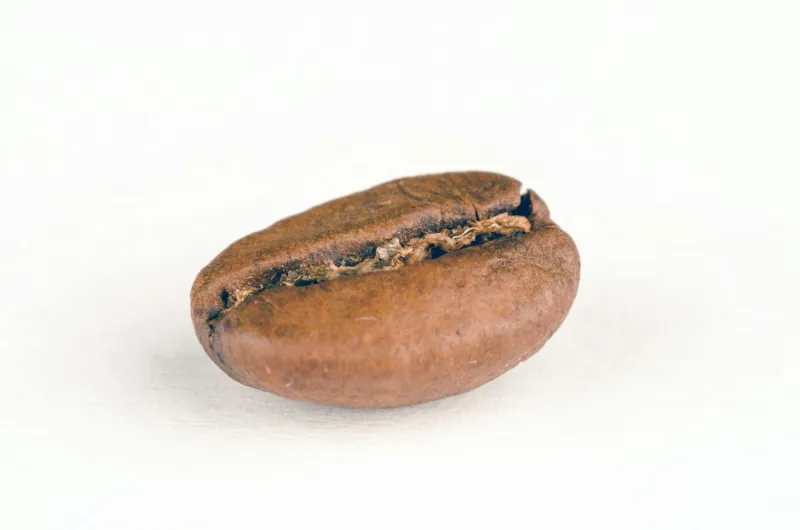
Caffeine is the world's most widely consumed psychoactive substance. It blocks adenosine receptors, reducing feelings of fatigue and raising alertness. But higher caffeine doses often bring anxiety, rapid heartbeat, inability to sit still, difficulty focusing, and an "energy crash" feeling some hours after consumption — a topic our pre-workout vs energy drinks comparison explores further.
L-theanine is an amino acid found primarily in green tea. It is unique in producing a calming effect without drowsiness — by increasing alpha brain wave activity, which is associated with a relaxed yet alert state.
Together, these two compounds work synergistically: L-theanine mitigates caffeine's anxiety-causing side effects while preserving the energy and alertness benefits. The result is a clearer, calmer, and more sustained focus. As a standalone supplement, options like OstroVit L-Theanine 90 caps are available (8.90 EUR at the time of writing).
Scientific Evidence
Better results together. Double-blind controlled trials have repeatedly shown that the caffeine + L-theanine combination improves attention, visual processing, and reaction time better than either alone (Haskell et al., 2008).
Anxiety is reduced. A study showed that L-theanine combined with caffeine reduced anxious feelings by 25% compared to caffeine alone, while preserving the same energy boost (Einöther et al., 2010).
Alpha waves increase. EEG studies have found that L-theanine alone increases alpha brain waves within 30–40 minutes of consumption. In combination with caffeine, the balance between beta waves (alertness) and alpha waves (calm focus) is optimised (Nobre et al., 2008).
Working memory and concentration. A study showed the combination improved working memory speed and reduced random errors in multitasking situations (Owen et al., 2008).
Optimal Ratio and Dosage
Most studies use a 1:2 ratio (caffeine:theanine), as this delivers the best balance:
| Caffeine | L-theanine | Effect |
|---|---|---|
| 50 mg | 100 mg | Light, long-lasting focus |
| 100 mg | 200 mg | Standard cognitive performance dose |
| 150 mg | 300 mg | Intensive work, long sessions |
A typical cup of coffee contains 80–100 mg of caffeine. Adding L-theanine as a supplement gives coffee a nootropic effect without jitters. If you want to know which form works best, see our L-theanine forms guide.
OstroVit Caffeine 200mg VEGE 200 Tablets offers pure caffeine for precise dosing. ICONFIT Capsules Energy Complex N90 contains energy-supporting compounds. For the best focus and energy combination, explore the energy & brain category or browse l-theanine products.
Practical Applications
For work focus:
- 100–200 mg L-theanine alongside morning coffee
- Result: clearer, longer focus without nervous tension
Pre-workout:
- 150 mg caffeine + 200–300 mg L-theanine 30 minutes before training
- Result: better workout focus, less jitteriness
- For exact timing, see our L-theanine timing guide
For exams:
- 100 mg caffeine + 200 mg L-theanine + a healthy meal
- Result: sustained focus without an energy crash
Who Benefits Most from This Combination?
- Caffeine-sensitive people who normally experience jitters
- Those who want longer energy duration (less crash effect)
- Students and office workers who need continuous focus
- Athletes seeking clean, mental readiness
Safety
Both compounds are well-studied and safe in sensible amounts. Precautions:
- Caffeine: not recommended with cardiac arrhythmia, high blood pressure, or during pregnancy
- L-theanine: rare side effects, occasional headache at high doses
- Late-evening caffeine disrupts sleep
Conclusion
Caffeine + L-theanine is one of the best and most evidenced nootropic combinations. It does not require expensive specialised products — a simple approach with a cup of tea already yields notable results. For precise dosing, use pure caffeine tablets alongside an L-theanine supplement. Maxfit.ee offers a range of energy products in the energy & brain category, as well as tea and coffee.
References
- Haskell, C. F., Kennedy, D. O., Milne, A. L., Wesnes, K. A., & Scholey, A. B. (2008). The effects of L-theanine, caffeine and their combination on cognition and mood. Biological Psychology, 77(2), 113–122. https://pubmed.ncbi.nlm.nih.gov/18006208/
- Einöther, S. J., Martens, V. E., Rycroft, J. A., & De Bruin, E. A. (2010). L-theanine and caffeine improve task switching but not intersensory attention or subjective alertness. Appetite, 54(2), 406–409. https://pubmed.ncbi.nlm.nih.gov/20079786/
- Nobre, A. C., Rao, A., & Owen, G. N. (2008). L-theanine, a natural constituent in tea, and its effect on mental state. Asia Pacific Journal of Clinical Nutrition, 17(S1), 167–168. https://pubmed.ncbi.nlm.nih.gov/18296328/
- Owen, G. N., Parnell, H., De Bruin, E. A., & Rycroft, J. A. (2008). The combined effects of L-theanine and caffeine on cognitive performance and mood. Nutritional Neuroscience, 11(4), 193–198. https://pubmed.ncbi.nlm.nih.gov/18681988/
FAQ
Can L-theanine be taken without caffeine?
Yes, L-theanine works on its own too. Alone it produces a relaxed yet sharp state. It suits those who want no stimulation but seek calm focus.
How quickly does L-theanine start working?
L-theanine is absorbed quickly and takes effect 30–45 minutes after consumption. In combination with caffeine, the effect is often noticeable within 20–30 minutes.
Does green tea deliver the same effect as separate supplements?
Green tea contains both caffeine and L-theanine, but the concentration varies considerably. For a precise 1:2 ratio, separate supplements are more reliable. A typical cup of green tea contains approximately 25–35 mg of caffeine and 8–20 mg of L-theanine.


