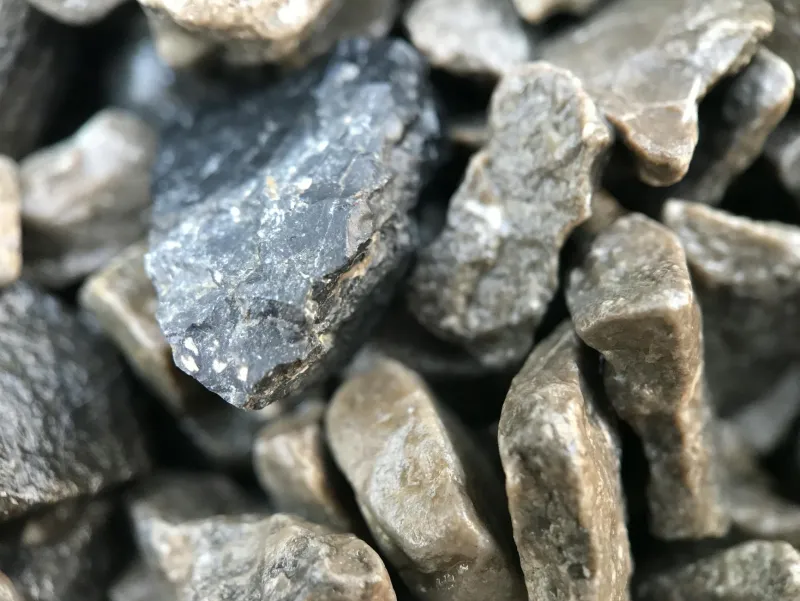
What Is Boron and Why Interactions Matter
Boron is a trace mineral found in foods such as prunes, raisins, avocados, and nuts. As a supplement, it is used primarily for its associations with bone density, joint health, testosterone metabolism, and cognitive function. While boron is not classed as essential in the same way as calcium or iron, it influences several hormonal and metabolic pathways — and that means it has the potential to interact with drugs and nutrients that share those pathways.
Understanding boron interactions helps you use this supplement safely and get the most from it.
Drug Interactions
Boron's most clinically relevant drug interactions relate to its effects on hormone metabolism and kidney excretion.
Oestrogen-based medications (HRT, oral contraceptives): Boron appears to reduce the urinary excretion of oestrogen, which can elevate circulating oestrogen levels. For people already taking exogenous oestrogen — hormone replacement therapy or oral contraceptives — this could amplify oestrogenic effects. Anyone on oestrogen-based medications should speak with their prescribing physician before adding boron supplements.
Testosterone medications: By a similar mechanism, boron may influence androgen metabolism. Men on testosterone replacement therapy should be aware of this potential interaction.
Anticoagulants (blood thinners): There is limited but credible evidence that very high boron intake may prolong bleeding time. If you are taking anticoagulant medications such as warfarin, adding boron supplements warrants medical supervision.
Medications cleared by the kidneys: Boron is excreted renally, and at higher doses it may affect how some medications are processed by the kidneys. This is a theoretical concern rather than a documented interaction for most drugs, but people with impaired kidney function should exercise caution.
Nutrient Competition and Synergy
Boron interacts with several key minerals and vitamins:
Magnesium: Boron has been shown to reduce urinary magnesium excretion (Nielsen et al., 2004), meaning that boron supplementation may help preserve magnesium status. This is a potentially beneficial interaction, particularly for people with marginal magnesium intake.
Calcium and vitamin D: Boron appears to support calcium retention and may enhance the biological activity of vitamin D. Research on boron supplementation has found associations between boron intake and improved bone biomarkers (Sheng et al., 2022). Taking boron alongside calcium and vitamin D may provide complementary support for bone health.
Vitamin K: Both boron and vitamin K are involved in bone mineralisation pathways. The combination is generally considered complementary rather than competitive.
Zinc and copper: At very high intakes, boron may compete with other trace minerals for absorption, but this is not a concern at typical supplement doses in the range of three to ten mg per day.
Phosphorus: Boron may reduce urinary phosphorus excretion, which could be relevant for people with kidney disease who need to manage phosphorus balance.
Food Effects
Dietary sources of boron are primarily plant-based: fruits (especially dried fruits such as prunes and raisins), legumes, nuts, and wine. Meat and fish are low in boron. A typical Western diet provides roughly one to three mg of boron per day from food.
High consumption of calcium-rich foods alongside boron supplementation may amplify the bone-supporting effects, as boron, calcium, and vitamin D all participate in bone mineralisation.
Alcohol: wine is a meaningful dietary source of boron. People consuming wine regularly who also supplement boron may have higher cumulative boron intake than intended. This is relevant primarily for those at or near tolerable upper intake levels.
Who Must Be Cautious
The following groups should use boron supplements only after consulting a healthcare professional:
- People on oestrogen-containing medications (HRT, oral contraceptives)
- People on testosterone replacement therapy
- People taking anticoagulants
- People with impaired kidney function (reduced boron clearance)
- Pregnant and breastfeeding women (insufficient safety data at supplemental doses)
Healthy adults without these risk factors who use boron at commonly studied doses of three to ten mg per day face minimal interaction risk.
Practical Rules
- Start with the lower end of the dose range. Many trials used three to six mg per day. There is no established advantage to higher doses for most goals.
- If you are on medications, check with your physician. This is particularly important for oestrogen-based or anticoagulant medications.
- Pair with vitamin D and magnesium for bone health goals. The combination is mechanistically supported.
- Account for dietary boron. If your diet is already high in fruits and nuts, your total boron intake may be sufficient without supplementation.
- Avoid very high doses. Intakes substantially above ten mg per day from supplements carry greater interaction and toxicity risk.
At maxfit.ee you can find OstroVit Boron 120caps in the boron supplement range. For the full selection, visit the boron category.
FAQ
Can boron raise testosterone levels?
Several small studies suggest that boron may support testosterone metabolism, with one study showing that a dose of ten mg per day for one week was associated with higher free testosterone levels in healthy men (Naghii et al., 2011). However, the evidence base is limited in size and these effects may not apply equally to everyone. Boron should not be viewed as a primary testosterone-boosting strategy.
Is boron safe for long-term use?
Boron appears safe at commonly recommended supplement doses of three to ten mg per day in healthy adults. Long-term safety data beyond what has been studied in shorter trials is limited. Staying within studied dose ranges and monitoring for any unusual symptoms is sensible.
Does boron affect oestrogen in men?
Boron may reduce oestrogen excretion in both men and women, potentially raising circulating oestrogen slightly. At typical supplemental doses this effect is modest. Men with oestrogen-sensitive conditions or those on hormone therapy should discuss boron use with their physician.
References
Nielsen, F. H., Mullen, L. M., & Nielsen, E. J. (2004). Dietary boron affects blood cell counts and hemoglobin concentrations in humans consuming low-copper diets. Journal of Trace Elements in Experimental Medicine, 4(4), 223-236.
Sheng, J., Li, H., Dai, Q., Lu, C., Xu, M., Zhang, J., & Zheng, J. (2022). Association between dietary boron intake and the risk of metabolic syndrome in U.S. adults: results from the NHANES 2003-2018. Nutrition & Metabolism, 19(1), 70.
Naghii, M. R., Mofid, M., Asgari, A. R., Hedayati, M., & Daneshi-Maskooni, M. (2011). Comparative effects of daily and weekly boron supplementation on plasma steroid hormones and proinflammatory cytokines. Journal of Trace Elements in Medicine and Biology, 25(1), 54-58. https://pubmed.ncbi.nlm.nih.gov/21129941/



