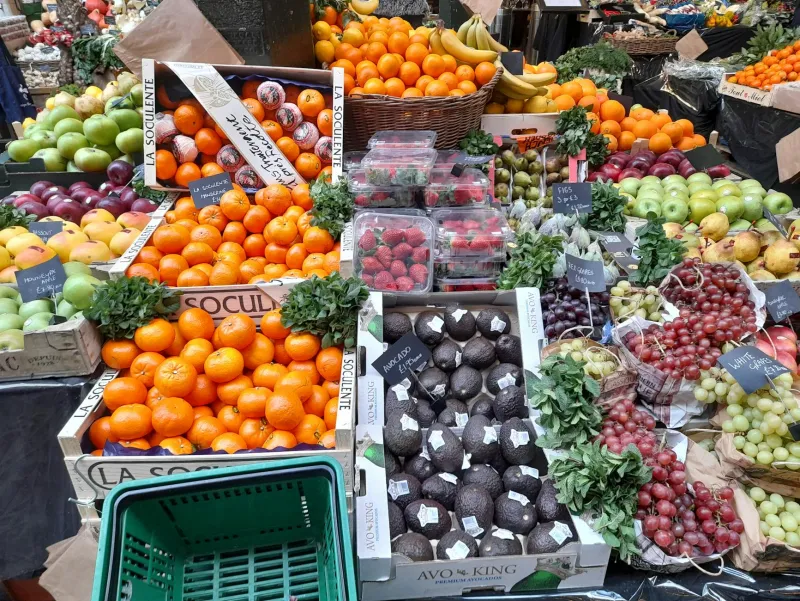
Natural Food Sources of Boron
Boron is a trace mineral that plays a role in the metabolism of several nutrients, including calcium, magnesium, and vitamin D. It has attracted research interest for its potential contributions to bone health, hormone regulation, and cognitive function. Unlike many other minerals, boron has no formally established dietary reference intake in most countries, though research has characterised typical dietary intakes and physiological responses.
Top Food Sources
Boron is found primarily in plant foods. The richest dietary sources are fruits, vegetables, legumes, and nuts:
- Prunes and dried fruits — among the highest sources per serving
- Raisins — very high boron content per gram
- Avocado — a practical, nutrient-dense fresh source
- Almonds and hazelnuts — among the best nut sources
- Peanuts — commonly consumed and a useful source
- Chickpeas and kidney beans — legumes are consistent contributors
- Broccoli and other cruciferous vegetables — moderate amounts
- Apples, pears, and grapes — widely eaten fresh-fruit sources
Meat, fish, and dairy contribute very little boron. People whose diets are low in fruits, vegetables, and legumes tend to have lower boron intakes.
Bioavailability from Food vs Supplement
Boron from food is generally well absorbed. Research indicates that most forms of boron across food sources and supplements are absorbed to a similar degree — boron in food is largely present as boric acid or borate esters, and both are readily taken up by the gut. There is no clear evidence that food-form boron is meaningfully different in absorption from boron in supplement form when equivalent amounts are compared.
Daily Targets from Diet
Most dietary surveys in Western Europe suggest typical boron intakes range from roughly 1 mg to 3 mg per day from food. Studies examining bone health and hormonal markers have used supplemental boron doses starting from around 3 mg per day (Naghii & Samman, 1997). A varied diet rich in fruits, nuts, and legumes can realistically supply intakes in the lower part of studied ranges without supplementation.
Cooking and Storage Effects
Boron is generally stable to heat. Cooking vegetables and legumes does not meaningfully degrade boron content, though some boron may leach into cooking water. Boron is not sensitive to light or air in the same way that vitamins are, making most common cooking methods acceptable for preserving dietary boron.
Dried fruits (prunes, raisins, apricots) are particularly convenient boron sources because concentration increases per gram as water is removed, and they store well.
When Food Is Not Enough
People with limited fruit and vegetable intake are most likely to fall below typical ranges. Older adults concerned about bone health, people on weight-restricted diets, or those with high physical training loads may find value in a boron supplement as a targeted addition.
At maxfit.ee, OstroVit Boron 120caps is available in the boron category.
References
Naghii, M. R., & Samman, S. (1997). The effect of dietary boron on sex hormone, plasma lipid, and plasma boron concentrations in rats. Nutrition Research, 17(3), 523–531.
Nielsen, F. H., Hunt, C. D., Mullen, L. M., & Hunt, J. R. (1987). Effect of dietary boron on mineral, estrogen, and testosterone metabolism in postmenopausal women. FASEB Journal, 1(5), 394–397. https://pubmed.ncbi.nlm.nih.gov/3678698/
Penland, J. G. (1994). Dietary boron, brain function, and cognitive performance. Environmental Health Perspectives, 102(Suppl 7), 65–72.
FAQ
Is boron an essential mineral?
Boron has not been formally classified as an essential mineral in humans (no confirmed deficiency disease), but accumulating research supports a role in bone metabolism, hormone regulation, and cognitive function. Many nutrition scientists consider it an important trace element.
How much boron do I get from a handful of almonds?
Tree nuts are a good source, but the exact amount varies by variety, growing conditions, and soil. A varied diet with daily servings of fruits and legumes is the most reliable way to maintain consistent intake. If you have a specific target in mind, a standardised supplement provides a known dose.
Are high boron intakes dangerous?
Boron has a tolerable upper intake level set by most regulatory bodies. Food-derived boron at normal dietary levels is considered safe. Very high supplemental doses (far beyond common supplement products) may cause adverse effects, so follow label guidance on any product.



