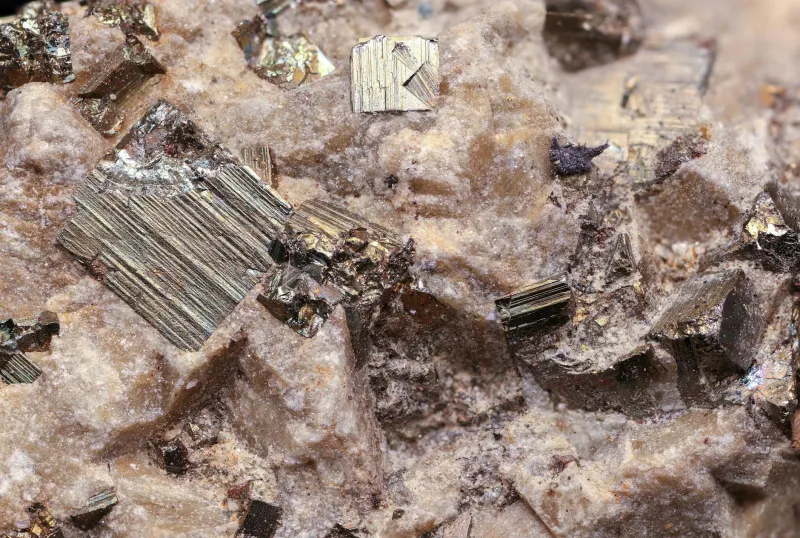
What Is Boron and How Does It Work?
Boron is a trace mineral present in small amounts in certain foods — notably nuts, legumes, avocado, prunes, and raisins. It is not classified as an essential mineral in the same way as iron or zinc because no deficiency disease has been formally described. However, accumulating evidence suggests boron plays functional roles in several physiological processes.
Proposed mechanisms include: modulation of parathyroid hormone and calcitonin (relevant to calcium metabolism and bone density), influence on steroid hormone metabolism (particularly oestrogen and testosterone), and effects on inflammatory cytokines. Boron also appears to affect the activity of certain enzymes involved in energy metabolism.
What the RCT and Meta-Analysis Evidence Shows
Bone Health
An early metabolic study found that postmenopausal women on a low-boron diet who received 3 mg/day of boron showed marked increases in 17-beta-oestradiol and testosterone concentrations, and a reduction in urinary calcium excretion (Nielsen et al., 1987). The reduction in calcium loss is biologically relevant to bone maintenance, though this was a short-term metabolic study rather than a fracture endpoint trial.
No large RCT has directly tested boron supplementation against fracture outcomes. The evidence for bone health is mechanistic and short-term, not based on long-term fracture data.
Testosterone and Hormone Metabolism
A small pilot RCT in healthy men found that supplementation with 10 mg/day of boron for one week was associated with a statistically significant increase in free testosterone and a decrease in oestradiol after 1 week compared with baseline (Naghii et al., 2011). The clinical significance of this short-term change for muscle mass or libido in the long term has not been established in adequately powered trials.
Inflammation
The same study (Naghii et al., 2011) also found reductions in inflammatory markers after 1 week of 10 mg/day boron. These are interesting but short-term observations in a small sample.
Effect Sizes and Who Benefits
Boron effects appear most relevant in contexts of frank dietary deficiency — populations consuming very low amounts of fruits, vegetables, nuts, and legumes. In well-nourished individuals with adequate dietary boron intake, supplementation may have a smaller incremental effect.
The population potentially benefiting:
- Those on very restrictive or low-plant diets
- Postmenopausal women with concern about bone density
- Men looking to support natural hormone levels as part of a broader lifestyle approach
EFSA-Approved Claims
EFSA has not approved any health claim for boron. No EU-authorised claim links boron supplementation to bone health, testosterone levels, or any other health outcome. This reflects the limited size and duration of the existing trial evidence rather than active evidence of harm.
Practical Considerations
The doses used in positive studies have ranged from 3 mg/day (Nielsen et al., 1987) to 10 mg/day (Naghii et al., 2011). The WHO has suggested a safe range of up to approximately 20 mg/day based on animal toxicology data. There is no formally established UL for humans from EFSA, though a guidance level of 10 mg/day is commonly cited.
Typical dietary boron intake in Europe is estimated at around 1–3 mg/day. Supplementation at 3–6 mg/day would bring total intake to the range where metabolic effects have been observed in trials.
OstroVit Boron 120caps is available at maxfit.ee in the boor category. It provides a convenient daily dose of boron in a format suitable for long-term use.
Honest Verdict
Boron is one of the more scientifically interesting trace minerals despite modest human trial evidence. Its effects on calcium metabolism, steroid hormones, and inflammation are plausible and have short-term RCT support. EFSA has not approved health claims, and large long-term trials are lacking. For individuals on low-plant diets or postmenopausal women, supplemental boron at 3–6 mg/day is a low-risk, biologically reasonable addition. For most well-nourished adults, dietary sources — nuts, avocado, legumes — should suffice.
FAQ
Does boron increase testosterone?
A small pilot study found a short-term increase in free testosterone after 1 week of 10 mg/day boron in healthy men (Naghii et al., 2011). This is an interesting finding, but the study was small and short, and the long-term impact on testosterone or muscle mass has not been confirmed in larger trials.
Is boron safe to supplement?
At doses up to 10–20 mg/day, boron does not show adverse effects in available human studies. Estimated dietary intake in Europe is around 1–3 mg/day, so typical supplements (3–6 mg) represent a modest increment above normal intake. Extremely high doses (above 100 mg/day) are associated with toxicity in animal models, but such doses are far above any supplemental product.
What foods are high in boron?
Good dietary sources include dried fruits (prunes, raisins), nuts (especially almonds and peanuts), avocado, chickpeas, and wine (from grape skin). A varied plant-rich diet provides roughly 2–5 mg of boron daily, covering the lower range where effects have been observed.
References
Nielsen, F. H., Hunt, C. D., Mullen, L. M., & Hunt, J. R. (1987). Effect of dietary boron on mineral, estrogen, and testosterone metabolism in postmenopausal women. FASEB Journal, 1(5), 394–397. https://pubmed.ncbi.nlm.nih.gov/3678698/
Naghii, M. R., Mofid, M., Asgari, A. R., Hedayati, M., & Danafar, M.-H. (2011). Comparative effects of daily and weekly boron supplementation on plasma steroid hormones and proinflammatory cytokines. Journal of Trace Elements in Medicine and Biology, 25(1), 54–58. https://pubmed.ncbi.nlm.nih.gov/21129941/



