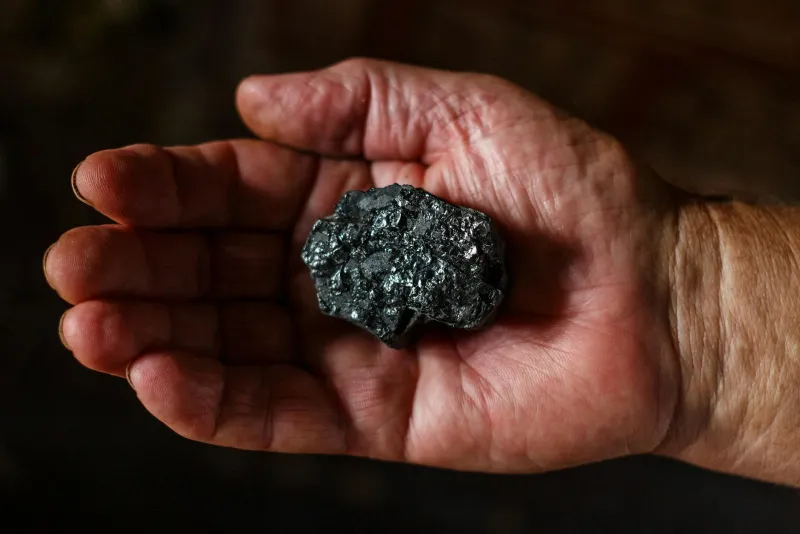
What Is Boron?
Boron (B) is a light metalloid familiar from borax and antiseptics, but its biological role is far more intriguing. Although boron is not classified as "essential" in the strict deficiency-disease sense, a growing body of research shows that optimal boron status positively influences bone density, steroid hormones, inflammatory markers, and cognitive function (Nielsen, 2014).
Boron is found primarily in fruits, nuts, legumes, and some beverages — particularly prunes, raisins, almonds, and peanuts. Many diets in northern Europe, including Estonia, fall below the intake levels seen in Mediterranean populations.
What Boron Does in the Body
1. Bone Health and Vitamin D Enhancement
Boron affects calcium, magnesium, and vitamin D metabolism. Boron deficiency increases urinary excretion of both calcium and magnesium, weakening bone mineralisation. More significantly, boron acts as a vitamin D amplifier — it inhibits the CYP24A1 enzyme that degrades active vitamin D (1,25-dihydroxyvitamin D3), prolonging its activity in the body (Naghii & Samman, 1997).
2. Testosterone and Sex Hormones
This is boron's most cited property in fitness communities. A small but interesting study found that 6 mg of boron per day for one week raised free testosterone by ~28% and reduced oestrogen by ~39% in healthy men (Naghii et al., 2011). Another trial found oestrogen increases in post-menopausal women, suggesting boron's role in general sex hormone regulation.
The current scientific consensus is cautious: the effect is real, but studies are small and need replication in larger populations.
3. Inflammation
Animal studies and some human trials show boron reduces inflammatory markers including CRP, IL-6, and TNF-α. This may explain lower rates of arthritis reported in regions where dietary boron intake is higher (Pizzorno, 2015).
4. Cognitive Function
Boron influences brain electrical activity. Boron deficiency correlates with dominant delta-wave brain activity (sluggishness), while adequate boron is associated with improved attention and reaction time (Penland, 1994).
Dietary Sources of Boron
| Food | Boron (mg/100 g) |
|---|---|
| Raisins | 4.5 |
| Prunes | 2.7 |
| Almonds | 2.8 |
| Peanuts | 1.9 |
| Apricots | 2.1 |
| Grapes | 1.2 |
Supplemental Boron: Forms and Dosing
Common supplement forms include:
- Boron fructoborate — organic form naturally found in fruit
- Sodium borate — inorganic form; lower cost
- Boron glycinate — newer chelated form
Clinical studies have used 1–12 mg/day. The most commonly researched dose is 3–10 mg. EFSA has not set a formal RDA; a safe upper level is estimated at 6–10 mg/day (Mehta & Kaur, 2020).
At maxfit.ee, OstroVit Boron 120caps delivers a clear, well-dosed boron supplement in a convenient capsule — suitable for athletes and anyone seeking to support testosterone, bone health, and cognitive performance naturally.
Who Benefits Most?
- Men over 40 — declining natural testosterone; boron may help preserve free testosterone levels
- Post-menopausal women — boron supports oestrogen and bone density maintenance
- Athletes — reduced inflammatory load may support recovery
- People with suboptimal vitamin D — boron extends the half-life of active vitamin D, amplifying the impact of the same dose
Safety Profile
Boron has low toxicity — human studies have used up to 20 mg/day without adverse effects. Very high doses (above 20 mg) can cause nausea, vomiting, and diarrhoea. Caution is advised during pregnancy as reproductive effects are incompletely studied.
FAQ
Is boron anabolic?
Not in the pharmacological sense. Boron supports the body's natural testosterone-producing capacity by optimising hormonal metabolism, not by directly stimulating androgen receptors. Think of it as clearing a bottleneck rather than forcing an outcome.
Does boron combine well with other supplements?
Yes — boron pairs logically with calcium, magnesium, and vitamin D, since all support bone health via different pathways. It is also a popular addition to ZMA stacks for natural hormonal optimisation.
How long does boron take to show effects?
Hormonal effects in studies emerged within 1–2 weeks of supplementation. Bone density changes take 6–12 months to measure meaningfully.
Practical Guide to Choosing a Boron Supplement
When selecting a boron supplement, three factors deserve attention. First, dose — clinical studies used 3–10 mg of elemental boron per day; lower doses below 1 mg are unlikely to deliver the full range of benefits observed in trials. Second, form — boron fructoborate is the most biologically active variant found in food, while sodium borate is also well-studied and safe. Third, synergy — boron achieves greater impact when combined with vitamin D and calcium or magnesium.
Boron supplementation is one of the more cost-effective additions to a bone health protocol, especially for those living in northern latitudes where fruit and nut consumption is lower than in Mediterranean populations. A 6–12 month trial at 3–6 mg per day, combined with vitamin D testing, gives enough time to observe meaningful changes in wellbeing and hormone markers.
At maxfit.ee, OstroVit Boron 120caps provides a clean, straightforward boron dose — no unnecessary fillers, easy to stack with other mineral supplements in your daily routine.
References
- Nielsen, F. H. (2014). Update on human health effects of boron. Journal of Trace Elements in Medicine and Biology, 28(4), 383–387.
- Naghii, M. R., & Samman, S. (1997). The effect of dietary boron supplementation on calcium, magnesium and phosphorus metabolism of middle-aged men. Biological Trace Element Research, 56(3), 273–286.
- Naghii, M. R., Mofid, M., Asgari, A. R., Hedayati, M., & Daneshpour, M. S. (2011). Comparative effects of daily and weekly boron supplementation on plasma steroid hormones and proinflammatory cytokines. Journal of Trace Elements in Medicine and Biology, 25(1), 54–58.
- Pizzorno, L. (2015). Nothing boring about boron. Integrative Medicine: A Clinician's Journal, 14(4), 35–48.
- Penland, J. G. (1994). Dietary boron, brain function, and cognitive performance. Environmental Health Perspectives, 102(Suppl 7), 65–72.



