
Biotin's Role in the Body and the Logic of Stacking
Biotin (vitamin B7) is a water-soluble vitamin involved in fatty acid synthesis, glucose metabolism, and amino acid processing. It is best known for supporting hair, skin, and nail health. Biotin stacking — combining it with other supplements — can increase the effectiveness of the full protocol when synergistic combinations are chosen and known conflicts avoided.
Evidence-Based Synergies
Biotin + Zinc
Both support keratin production and skin integrity. Zinc plays a role in the transport and utilisation mechanisms of biotin. One study found that zinc deficiency may impair biotin's function in the body (Mock, 1999).
Biotin + Vitamin C
Vitamin C supports collagen synthesis, complementing biotin's effect on skin elasticity. Together they offer a broader skin protection mechanism.
Biotin + Omega-3 Fatty Acids
Omega-3 supports the skin's lipid barrier. Biotin assists with fatty acid synthesis. Combining them makes practical sense for dry skin.
Biotin + Collagen
Collagen provides the structural amino acids for skin, while biotin supports their metabolism. This is a widely used and practical combination for hair and skin.
Antagonistic Combinations
Biotin + Raw Egg White
Avidin — a protein found in raw egg white — binds biotin in the gut and blocks its absorption (Sydenstricker et al., 1942). Heat treatment inactivates avidin. Do not mix a biotin supplement with raw egg white drinks.
Biotin + Pantothenic Acid (B5) in High Doses
B5 and biotin share the same intestinal transport systems. Very high doses of B5 may reduce biotin absorption. At typical multivitamin doses this conflict is not practically relevant.
Biotin + Antibiotics
Antibiotics destroy gut flora, which contributes to some endogenous biotin production. A prolonged antibiotic course may increase biotin requirements.
Timing within the Stack
- Biotin is water-soluble and absorbs well even on an empty stomach, but fat-containing meals improve the fat-soluble synergy when combined with omega-3.
- To reduce zinc's stomach irritation, take zinc with food.
- Keep your biotin supplement away from raw-egg-white drinks.
Sample Stacks by Goal
For hair and nail strength:
- Biotin + zinc + collagen
For skin elasticity:
- Biotin + vitamin C + omega-3
General beauty and skin package:
- Biotin + collagen + omega-3 + vitamin C
At maxfit.ee you will find OstroVit Biotin Plus 100tabs, MST Hair Advanced Formula with Keratin 60caps, and 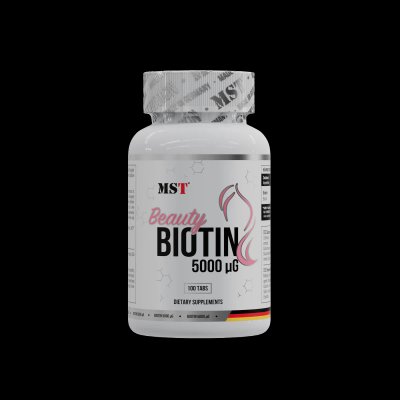 MST Beauty Biotin 5000mcg€16.90 In stock — solid biotin bases well suited for stacking. Browse the full biotin category at maxfit.ee.
What to Avoid
- Do not combine mega-dose biotin (above 10,000 mcg per day) without medical guidance — very high doses have been associated with distorted thyroid laboratory test results.
- Do not replace a balanced diet with a biotin supplement — dietary biotin from eggs, nuts, and seeds is bioavailable and complements any supplement.
- Do not expect quick results — improvement in hair and nails typically takes at least 2–3 months.
Summary
Combining biotin with zinc, vitamin C, collagen, or omega-3 is well founded. The main conflicts are raw egg white and mega-dose B5. Results come from long, consistent use.
FAQ
Can biotin and zinc be taken together?
Yes, biotin and zinc are an effective combination supporting keratin production and hair health. Take both with food.
Does biotin affect thyroid tests?
High biotin doses (typically above 5,000–10,000 mcg per day) may interfere with certain laboratory assay results. If blood tests are planned, consider pausing biotin a couple of days beforehand.
How long does a biotin stack take to work?
Visible effects on hair and nails typically appear after 2–3 months of regular use.
References
Mock, D. M. (1999). Biotin status: which are valid indicators and how do we know? Journal of Nutrition, 129(2 Suppl), 498S-503S.
Sydenstricker, V. P., Singal, S. A., Briggs, A. P., DeVaughn, N. M., & Isbell, H. (1942). Preliminary observations on egg white injury in man. Science, 95(2459), 176-177. https://pubmed.ncbi.nlm.nih.gov/17818887/
Zempleni, J., Hassan, Y. I., & Wijeratne, S. S. (2008). Biotin and biotinidase deficiency. Expert Review of Endocrinology and Metabolism, 3(6), 715-724. https://pubmed.ncbi.nlm.nih.gov/19727438/



