Biotin Side Effects & Safety: What to Know
Biotin (vitamin B7) is a water-soluble B vitamin essential for fatty acid metabolism, gene expression, and the health of hair, skin, and nails. It is one of the most widely used cosmetic supplements in Estonia and globally. But biotin safety at high supplemental doses raises some important questions that deserve a clear-eyed answer.
Common and Rare Side Effects
Biotin itself has a very low inherent toxicity. At typical supplement doses — ranging from the dietary reference intake of around 30 micrograms up to the 5,000–10,000 microgram doses found in some hair and nail products — gastrointestinal upset, skin rashes, or insomnia have been occasionally reported, but not confirmed in controlled studies. These side effects are generally mild and resolve with dose reduction.
The most clinically significant safety concern with high-dose biotin is interference with immunoassay-based laboratory tests. Biotin at supplemental doses can cause falsely low or falsely high results on thyroid hormone tests, troponin assays (used to diagnose heart attacks), and other hormone panels. The US FDA issued a safety communication specifically about this risk. If you are having blood tests, stop biotin supplementation at least two days before the test and inform your doctor.
Upper Safe Limits
No tolerable upper intake level (UL) has been formally established for biotin in the EU or by most regulatory bodies, because biotin has not shown toxicity even at very high doses in published studies. This absence of a UL is sometimes misread as meaning unlimited biotin is harmless — the laboratory-interference issue described above is real regardless of a formal UL.
Practically speaking, doses up to several thousand micrograms per day are used in cosmetic supplementation without systematic reported toxicity. MST Beauty Biotin 5000mcg is within the range of commonly used high-dose products, as is OstroVit Biotin Plus 100tabs. 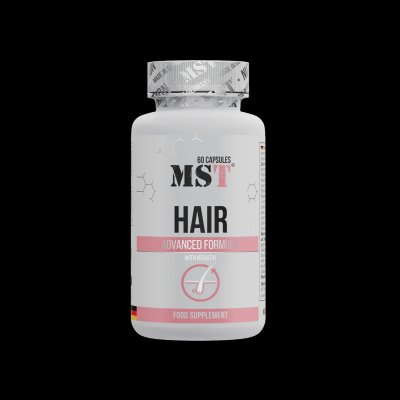 MST Hair Advanced Formula with Keratin€19.90 In stock 60caps combines biotin with additional hair-supporting nutrients, which may reduce the need for a very high standalone biotin dose.
Drug and Nutrient Interactions
- Antiepileptic drugs: Several antiseizure medications, including carbamazepine and valproic acid, have been shown to reduce serum biotin levels (Mock et al., 1998). Long-term users of these medications may benefit from biotin monitoring and supplementation under medical guidance.
- Raw egg whites: Avidin — a protein in raw egg whites — strongly binds biotin and prevents its absorption. Consistently eating large quantities of raw eggs can deplete biotin over time. Cooking denatures avidin.
- Alpha-lipoic acid: Some evidence suggests that alpha-lipoic acid may compete with biotin for uptake via shared transporters. If you use both, separate them at different times of day.
- Pantothenic acid (B5): Very high doses of B5 can compete with biotin for intestinal absorption. This is mainly a concern with megadoses of B5, not typical multi-vitamin amounts.
Who Should Take Care
- People awaiting blood tests: Stop high-dose biotin at least 48 hours before any lab tests, particularly thyroid, troponin, or hormone panels.
- Pregnant and breastfeeding women: Biotin needs are slightly increased in pregnancy. Standard supplemental doses (around 30–100 micrograms) in prenatal vitamins are appropriate; very high cosmetic doses are not well studied in pregnancy and caution is reasonable.
- People on antiepileptic medications: As noted above, regular biotin monitoring may be appropriate.
Quality and Contamination
Biotin products vary significantly in actual potency. Third-party tested brands such as MST Beauty Biotin 5000mcg and the OstroVit range sold at maxfit.ee carry manufacturing quality assurance. When choosing a biotin product, look for products that clearly state the dose in micrograms (mcg) — not just milligrams — as dose units are frequently confused on supplement labels.
FAQ
Can biotin cause acne?
A popular claim, but the evidence for biotin causing acne is weak. Biotin does not directly cause skin breakouts. However, because biotin and pantothenic acid share transporters, very high biotin doses might theoretically affect B5 availability, and B5 is involved in sebum regulation. This is speculative and not reliably confirmed in human studies.
How long should I take biotin before seeing results for hair or nails?
Hair and nail growth occurs slowly. Studies that tested biotin for brittle nails or hair loss typically ran for at least three to six months before measurable outcomes appeared. Short-term use is unlikely to yield noticeable changes.
Is biotin safe to take daily for years?
Based on available evidence, yes. Biotin is a water-soluble vitamin and is regularly excreted rather than accumulated. The main ongoing concern is the laboratory interference issue, which is manageable by pausing before blood tests.
References
Mock, D. M., Quirk, J. G., & Mock, N. I. (1998). Marginal biotin deficiency during normal pregnancy. American Journal of Clinical Nutrition, 67(2), 278–282.
Patel, D. P., Swink, S. M., & Castelo-Soccio, L. (2017). A review of the use of biotin for hair loss. Skin Appendage Disorders, 3(3), 166–169. https://pubmed.ncbi.nlm.nih.gov/28879195/



