Biotin Myths vs Facts
Biotin (vitamin B7) is one of the most heavily marketed beauty supplements on the market. Walk into any pharmacy and you will find high-dose biotin tablets promising thicker hair, stronger nails, and glowing skin. But how much of this is supported by evidence? The honest answer is: less than most consumers realise.
Common Biotin Myths
Myth 1: Biotin makes hair grow faster in healthy people
This is the claim that sells the most units — and has the weakest evidence behind it. A systematic review found that published clinical evidence for biotin's effect on hair and nail health is limited to case reports and case series, almost all in people with documented biotin deficiency or rare genetic conditions that impair biotin metabolism (Patel et al., 2017). There are no large, well-controlled randomised trials showing that biotin supplementation accelerates hair growth in people with normal biotin status.
The body of evidence does not rule out an effect, but it does not support the broad "hair growth booster" marketing claim for the general population.
Myth 2: The higher the biotin dose, the better
Biotin is a water-soluble vitamin; excess is excreted in urine. There is no established mechanism by which extremely high doses produce better outcomes than adequate ones, particularly in people who are not deficient. What high-dose biotin does reliably cause is interference with a range of thyroid and cardiac laboratory tests — a problem significant enough that multiple health regulators have issued warnings (Katzman et al., 2018). High-dose biotin can produce spuriously high or low values for troponin, TSH, T4, and other critical hormones when immunoassay-based lab tests are used.
Myth 3: Biotin deficiency is common
True biotin deficiency is rare in people who eat a varied diet, because biotin is found in eggs, nuts, seeds, meat, and vegetables, and gut bacteria also produce some biotin. The conditions most associated with biotin deficiency are prolonged raw egg white consumption (avidin in raw egg white binds biotin and blocks absorption), rare metabolic disorders, and prolonged parenteral nutrition without biotin supplementation.
What the Evidence Actually Shows
Where biotin does have evidence: People with confirmed biotin deficiency, those with biotinidase deficiency (a rare genetic disorder), and individuals experiencing hair loss associated with specific nutrient deficiencies may benefit from biotin supplementation. In these cases, correcting the deficiency reliably improves hair and nail symptoms.
Keratin infrastructure: Biotin is a cofactor for enzymes involved in fatty acid synthesis, amino acid catabolism, and gluconeogenesis. Its involvement in keratin production — the protein that makes up hair and nails — is real at the biochemical level. The gap between biochemical involvement and clinical benefit in the already-replete state is where the evidence runs out.
Marketing Claims vs Reality
| Claim | Reality |
|---|---|
| Makes hair thicker and faster-growing | No RCT evidence in people with normal biotin status |
| Higher dose = stronger nails | No dose-response evidence beyond deficiency correction |
| Safe in any amount | High doses interfere with lab tests; disclose to your doctor |
| "Clinically proven" | Usually refers to deficiency correction, not general use |
Grey Areas
Hair loss from other causes: Many people experiencing hair loss are simultaneously deficient in iron, zinc, vitamin D, or protein — nutrients with stronger evidence for hair maintenance. Before concluding that biotin is the missing link, it is worth testing for these deficiencies.
Combination formulas: Many "hair, skin, and nails" products combine biotin with silica, zinc, selenium, vitamin C, and collagen. If they work, it may be one of the co-ingredients rather than the biotin doing the work.
Lab test interference: Anyone taking high-dose biotin who needs blood tests for thyroid function or cardiac markers should stop biotin supplementation for at least two days before the test and inform their healthcare provider.
Bottom Line
Biotin is a legitimate and essential vitamin that the body genuinely needs for metabolic function. For people with confirmed deficiency, it is effective and important. For the general population hoping to grow thicker hair or stronger nails, the honest evidence base is modest. Products like OstroVit Biotin Plus 100tabs and MST Beauty Biotin 5000mcg are available at maxfit.ee for those who wish to try biotin; 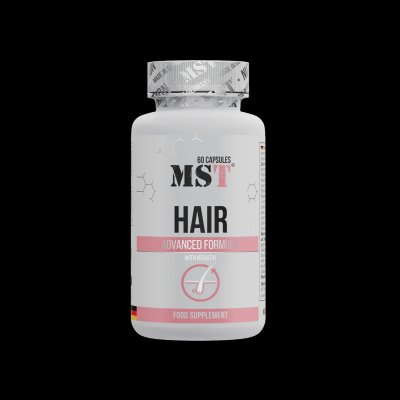 MST Hair Advanced Formula with Keratin€19.90 In stock 60caps combines biotin with keratin and other nutrients for a more comprehensive approach.
FAQ
How do I know if I actually have a biotin deficiency?
Biotin deficiency is assessed through a blood or urine test. Symptoms of true deficiency include hair thinning, brittle nails, a characteristic facial rash, and neurological symptoms. If you have these symptoms and eat a restricted diet, testing is worthwhile. For cosmetic hair and nail goals without these symptoms, deficiency is unlikely and supplementation may not provide the expected benefit.
Should I stop biotin before a blood test?
If taking high-dose biotin (above standard dietary levels) and having thyroid function tests, troponin, or other hormone-related blood tests, stopping biotin supplementation for at least 48 hours before the test is recommended. The interference is well documented and can lead to misdiagnosis.
Do biotin supplements interact with medications?
Biotin itself has few known medication interactions. The main concern is its effect on laboratory test accuracy at high doses, which can indirectly affect medical decisions. At typical dietary supplement doses found on most labels, the interaction risk is low.
References
Patel, D. P., Swink, S. M., & Castelo-Soccio, L. (2017). A review of the use of biotin for hair loss. Skin Appendage Disorders, 3(3), 166-169. https://pubmed.ncbi.nlm.nih.gov/28879195/
Katzman, B. M., Lueke, A. J., Donato, L. J., Jaffe, A. S., & Baumann, N. A. (2018). Prevalence of biotin supplement usage in outpatients and plasma biotin concentrations in patients presenting to the emergency department. Clinica Chimica Acta, 484, 72-77.



