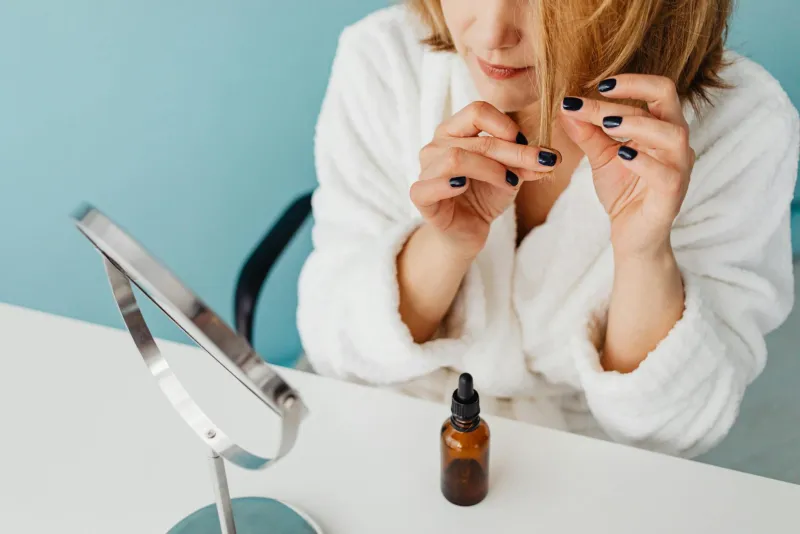
Biotin After 50: What You Need to Know
Biotin (vitamin B7) is a water-soluble vitamin often used to support hair, nail, and skin health. Biotin for seniors has grown in popularity, but the actual evidence base is more nuanced than advertisements suggest.
Age-Related Need
As we age, the digestive tract becomes less efficient. Stomach acid decreases, which can affect the absorption of several B vitamins. In addition, the risk of biotin deficiency may increase if a person:
- Takes long-term medications (particularly antibiotics and anti-epileptic drugs)
- Follows a restricted diet
- Has inflammatory bowel disease
Biotin deficiency is uncommon in Western diets, but in the presence of these risk factors, supplementation may be justified.
Absorption Changes With Age
Biotin absorption is influenced by gut bacterial balance — some of the body's biotin needs are met by intestinal bacteria themselves. If gut microbiota is disrupted (e.g., after antibiotic treatment), biotin absorption may decrease. This is one reason why older adults may benefit more from biotin supplementation.
Dose and Safety
Adequate intake for adults is set in the moderate range by nutritional guidelines. Biotin is generally considered safe even at high amounts, as it is water-soluble and excreted in urine. However, one important safety warning must be noted: high-dose biotin can interfere with laboratory test results, including thyroid and cardiac biomarker tests. If you have blood tests planned, stop biotin several days before the draw.
OstroVit Biotin Plus 100tabs is a popular choice available at maxfit.ee. Also worth considering is MST Beauty Biotin 5000mcg — both carry clearly labelled doses.
Interactions With Medication
Biotin supplements may affect how some medications work:
- Anti-epileptic drugs (e.g., carbamazepine, phenytoin): may reduce blood biotin levels
- Antibiotics: disrupt gut bacteria that produce biotin
- Cholesterol-lowering drugs: some interactions have not been fully researched
If you take daily prescription medications, ask your doctor before starting a biotin supplement.
When to Consider Supplementation
A biotin supplement may be worthwhile if:
- Hair and nails have become brittle and a clinically confirmed deficiency exists
- You have recently completed a long course of antibiotics
- Your diet is restricted (e.g., poorly planned vegetarian diet)
However, if no biotin deficiency is present, there is no evidence that supplementation provides additional benefit for hair density (Trueb, 2016).
MST Hair Advanced Formula with Keratin 60caps combines biotin and keratin and suits those who want more comprehensive hair health support.
Summary
Biotin is a safe and well-tolerated vitamin, but those over 50 should be aware of its effect on lab test results at high doses. Browse biotin products at maxfit.ee in the biotin category.
FAQ
Does biotin actually help hair grow?
Biotin is essential for hair health only when a genuine deficiency exists. In people without deficiency, the benefit of biotin supplementation for hair growth is not firmly established by evidence.
Can you overdose on biotin?
Biotin is water-soluble and overdose is considered unlikely. However, taking high doses before blood tests may distort the results.
Is biotin suitable for vegetarians?
Yes — most biotin supplements on the market are plant-derived. Always check the capsule shell composition (gelatin vs plant-based capsules).
References
Trueb, R. M. (2016). Serum Biotin Levels in Women Complaining of Hair Loss. International Journal of Trichology, 8(2), 73-77.
Zempleni, J., Wijeratne, S. S., & Hassan, Y. I. (2009). Biotin. BioFactors, 35(1), 36-46. https://pubmed.ncbi.nlm.nih.gov/19319844/



