
Biotin for Athletes: What the Evidence Says
Biotin — also known as vitamin B7 — is a water-soluble vitamin that plays a central role in how your body converts food into usable energy. For athletes, this mechanism is genuinely relevant: biotin acts as a coenzyme for several carboxylase enzymes involved in gluconeogenesis and fatty acid metabolism. In plain terms, it helps your cells extract energy from carbohydrates and fats.
Yet the supplement shelves are flooded with biotin at doses far beyond what most people need, often marketed around hair and nail growth. This guide separates what the research actually supports from what is marketing.
Biotin's Mechanism in Sport
Biotin is a required cofactor for four carboxylase enzymes: acetyl-CoA carboxylase, pyruvate carboxylase, propionyl-CoA carboxylase, and beta-methylcrotonyl-CoA carboxylase. These enzymes sit at key branch points in energy metabolism — particularly in the Krebs cycle and fatty acid synthesis pathways. An athlete deficient in biotin would experience impaired glucose utilisation and reduced capacity to burn fat for fuel.
In practice, outright deficiency is rare in people who eat varied diets. However, high training volumes, raw egg white consumption (avidin binds biotin and blocks absorption), and prolonged caloric restriction can all reduce biotin status.
Strength and Endurance Evidence
Direct studies on biotin supplementation and athletic performance are sparse. Most evidence for biotin's role in energy metabolism comes from studies on deficiency correction rather than supraphysiological dosing. A randomised controlled trial by Mock et al. (2002) demonstrated that biotin-dependent enzyme activity responds to supplementation in individuals with marginal status, supporting the premise that adequate biotin is necessary for normal metabolic function (Mock et al., 2002).
For endurance athletes, the connection between B-vitamin status and mitochondrial efficiency is well documented. Woolf & Manore (2006) reviewed micronutrient requirements in active individuals and noted that B-vitamins including biotin are critical for energy production pathways, and that exercise may modestly increase turnover (Woolf & Manore, 2006). This does not mean that megadosing biotin above adequate status will improve performance — it means that meeting requirements matters.
Effective Protocol
The adequate intake for biotin is generally considered to be around 30 micrograms per day for adults. Most sports supplements and standalone biotin products provide far higher amounts — commonly 1,000 to 10,000 micrograms. At these doses, no toxicity has been reported because biotin is water-soluble and excess is excreted. However, very high doses can interfere with certain laboratory tests (particularly thyroid panels), so inform your doctor if you supplement at high doses before bloodwork.
OstroVit Biotin Plus 100tabs is a straightforward biotin supplement available at maxfit.ee, providing a well-tolerated dose. MST Beauty Biotin 5000mcg and 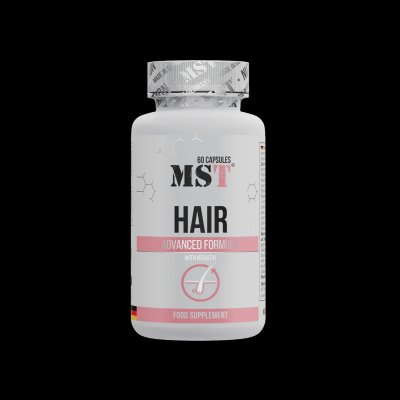 MST Hair Advanced Formula with Keratin€19.90 In stock 60caps are alternatives that combine biotin with synergistic nutrients for hair and skin, which may appeal to athletes also concerned with recovery of connective tissue.
For athletes whose diet is already varied and adequate, biotin supplementation is unlikely to produce dramatic performance gains. The use case is strongest for:
- Athletes consuming raw eggs regularly
- Those in prolonged caloric deficit
- Individuals with confirmed low biotin status
Who Benefits Most
In the sports context, biotin supplementation makes most sense as nutritional insurance rather than a performance enhancer. Athletes on ketogenic or very low-carbohydrate diets may have altered biotin utilisation due to increased reliance on gluconeogenesis. Similarly, those using antibiotics long-term may have reduced gut synthesis of biotin.
For general sports populations eating a balanced diet, biotin needs are typically met through whole foods (eggs, liver, nuts, seeds). Supplementation becomes relevant when dietary patterns restrict these sources.
Honest Verdict
Biotin is essential for energy metabolism and your body cannot function properly without it. Supplementing to correct a genuine deficiency or low-adequacy status can restore normal metabolic function. What the evidence does not support is the idea that taking megadoses of biotin above adequate status will meaningfully enhance strength, endurance, or body composition in athletes who are already well-nourished.
If you are looking for B-vitamin support in your training stack, ensuring you meet biotin requirements is a sensible baseline. Choose a product with a transparent dose and no unnecessary fillers.
FAQ
Does biotin improve athletic performance directly?
Not in athletes with already adequate biotin status. Biotin is essential for energy metabolism, but supplementation beyond adequacy has not been shown to boost performance in well-nourished athletes. Correcting a deficiency, however, can restore normal energy production.
Can athletes become biotin deficient?
It is uncommon but possible — especially for athletes consuming raw egg whites regularly (avidin binds biotin), those in prolonged caloric deficit, or those with restrictive diets. Testing biotin status is possible if deficiency is suspected.
Is high-dose biotin safe?
Biotin is water-soluble and no tolerable upper limit has been set due to lack of observed toxicity. However, high doses (above 1,000 micrograms) can interfere with some blood tests, including thyroid and cardiac markers. Always inform your healthcare provider if supplementing at high doses before any lab work.
References
Mock, D. M., Henrich, C. L., Carnell, N., & Mock, N. I. (2002). Indicators of marginal biotin deficiency and repletion in humans: validation of 3-hydroxyisovaleric acid excretion and a leucine challenge. American Journal of Clinical Nutrition, 76(5), 1061-1068. https://pubmed.ncbi.nlm.nih.gov/12399279/
Woolf, K., & Manore, M. M. (2006). B-vitamins and exercise: does exercise alter requirements? International Journal of Sport Nutrition and Exercise Metabolism, 16(5), 453-484. https://pubmed.ncbi.nlm.nih.gov/17240780/



