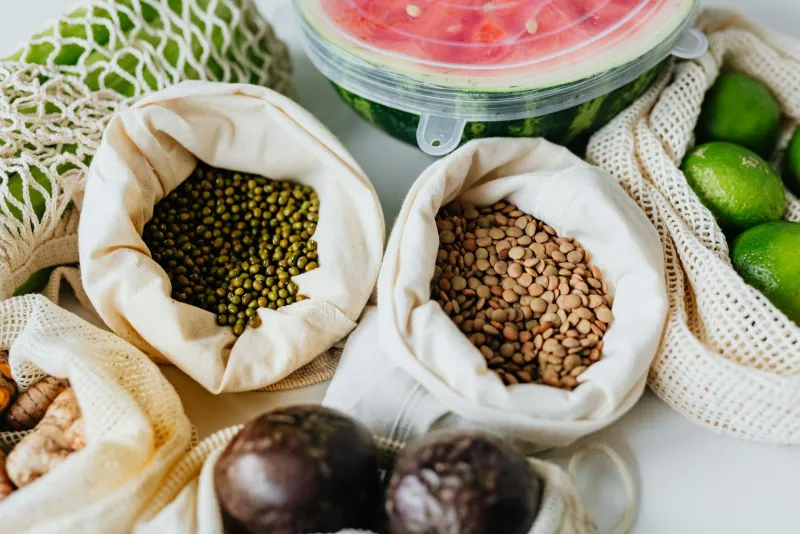
Natural Food Sources of Biotin
Biotin is a water-soluble B vitamin (B7) that plays a central role in carbohydrate, fat, and amino acid metabolism, as well as in cell signalling and gene regulation. It is well known for its association with hair, skin, and nail health, though the evidence for supplements specifically is more mixed than popular marketing suggests. Understanding biotin food sources is the first practical step.
Top Food Sources
Biotin is distributed across a wide range of animal and plant foods, though concentrations vary considerably:
| Food | Approximate biotin content (per serving) |
|---|---|
| Cooked beef liver (75g) | Very high — among the richest known sources |
| Cooked eggs (1 whole, 50g) | Moderate (whites contain avidin — see below) |
| Salmon (85g, cooked) | Moderate |
| Sunflower seeds (30g) | Moderate |
| Sweet potato (125g, cooked) | Moderate |
| Almonds (30g) | Low–moderate |
| Pork (85g, cooked) | Moderate |
| Canned tuna (85g) | Low–moderate |
The wide variability in published values reflects the fact that biotin is difficult to assay, and many older food tables are based on estimated rather than directly measured data.
Bioavailability from Food vs. Supplement
Biotin in food exists largely in protein-bound form, which must be hydrolysed during digestion before absorption. Free biotin — the form in supplements — is absorbed directly in the small intestine. Bioavailability from food sources is generally lower and more variable than from supplemental free biotin.
A notable interaction: raw egg whites contain avidin, a glycoprotein that binds biotin with extremely high affinity and renders it unabsorbable. Cooking egg whites denatures avidin and eliminates this concern. Regular consumption of large amounts of raw egg whites (as used by some bodybuilders) is a real cause of dietary biotin deficiency.
Daily Targets from Diet
Adequate intake (AI) for biotin is set at 30 mcg/day for adults. For most people eating a varied diet including eggs, meat, fish, nuts, and seeds, meeting this through food alone is achievable. Gut bacteria also synthesise some biotin, though how much is absorbed from this source is uncertain.
Cooking and Storage Effects
- Heat: Biotin in food is relatively heat-stable. Cooking does not substantially reduce food biotin content.
- Avidin denaturation: As noted, cooking destroys avidin in egg whites. This is important — cooked whole eggs are a net biotin source, while large amounts of raw egg whites can actually deplete biotin status.
- Storage: Biotin is reasonably stable in stored foods, though some loss over extended refrigeration periods is possible.
When Food Is Not Enough
For most healthy adults eating a varied diet, biotin deficiency is uncommon. Supplementation may be warranted in specific situations:
- Prolonged raw egg white consumption — an uncommon but documented cause of depletion.
- Biotinidase deficiency — a rare metabolic disorder requiring medical supplementation.
- Pregnancy — biotin catabolism may increase during pregnancy, and surveys suggest marginal status is more common than in non-pregnant women.
- Long-term anticonvulsant use — some anticonvulsants are associated with lower biotin levels.
- Hair, skin, and nail concerns — biotin supplements are widely used for this purpose, though evidence from randomised trials is limited to individuals with documented deficiency or brittle nail conditions.
Products available at maxfit.ee include OstroVit Biotin Plus 100tabs, MST Beauty Biotin 5000mcg, and 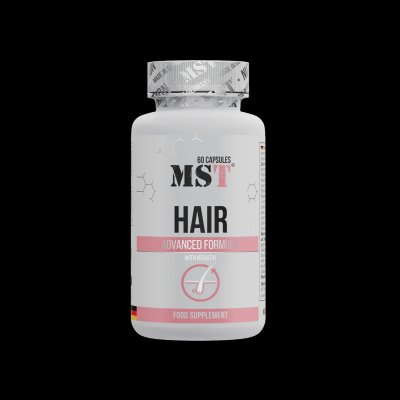 MST Hair Advanced Formula with Keratin€19.90 In stock 60caps from the biotin category. These provide concentrated biotin for those who prefer not to rely on dietary sources alone.
References
Zempleni, J., Wijeratne, S. S., & Hassan, Y. I. (2009). Biotin. BioFactors, 35(1), 36-46. https://pubmed.ncbi.nlm.nih.gov/19319844/
FAQ
Are eggs the best dietary source of biotin?
Cooked whole eggs (particularly the yolk) are an excellent biotin source. The yolk provides the biotin while the cooked white poses no absorption problem. Raw egg whites, however, can block biotin absorption due to avidin. Never rely on raw egg whites as a protein source if biotin status is a concern.
Does the high-dose biotin in supplements cause any issues?
Very high-dose biotin supplements (e.g., 5,000–10,000 mcg/day) can interfere with certain immunoassay-based laboratory tests, causing falsely elevated or suppressed results for thyroid hormones, cardiac troponin, and other markers. If you are having blood tests, inform your doctor about high-dose biotin supplementation and consider pausing it for several days beforehand.
Does biotin supplementation improve hair growth in healthy people?
The evidence for biotin improving hair health is strongest in individuals with demonstrated deficiency or structural hair shaft disorders such as uncombable hair syndrome. In the absence of documented deficiency, robust clinical trial data supporting hair growth benefits in healthy adults is limited.



