What Is Biotin and Why Does Deficiency Matter?
Biotin (vitamin B7) is a water-soluble B vitamin that acts as a coenzyme in several carboxylation reactions — pathways essential for fatty acid synthesis, gluconeogenesis, and amino acid metabolism. Despite its widespread reputation as a hair and nail supplement, true biotin deficiency is relatively uncommon in healthy adults eating a varied diet. However, certain conditions and life stages create genuine risk, and recognising the signs early matters.
Understanding biotin deficiency helps you decide whether dietary change, supplementation, or medical testing is the right next step.
Deficiency Symptoms
The most commonly reported signs of biotin deficiency include:
- Hair thinning or hair loss — progressive alopecia is often the most visible sign
- Scaly, red skin rash — especially around the eyes, nose, mouth, and genitals (a pattern called periorificial dermatitis)
- Brittle or fragile nails
- Neurological symptoms — in more severe or prolonged deficiency: depression, lethargy, hallucinations, and peripheral numbness
- Fatigue and muscle pain
- Conjunctivitis (eye inflammation)
Mild biotin deficiency may present only with hair and nail changes, making it easy to attribute to other causes. Neurological symptoms are associated with more significant depletion and should prompt medical evaluation.
At-Risk Groups
Several groups carry higher risk of inadequate biotin status:
Pregnant and breastfeeding women. A study using a sensitive urinary biotin excretion marker found that a substantial proportion of pregnant women in developed countries develop marginal biotin deficiency, even with adequate dietary intake (Mock et al., 2002). This is attributed to increased biotin catabolism during pregnancy.
People with biotinidase deficiency. This rare inherited enzyme disorder prevents biotin recycling and causes severe deficiency if untreated. Neonatal screening programmes in Estonia and most EU countries detect it at birth.
Long-term antibiotic users. Gut bacteria synthesise small amounts of biotin; prolonged broad-spectrum antibiotic courses may reduce this contribution.
People who regularly consume raw eggs. Raw egg whites contain avidin, a protein that binds biotin with very high affinity and blocks absorption. Cooking denatures avidin and eliminates this risk (Mock, 2012).
People on long-term anticonvulsant therapy. Some anticonvulsant medications, including carbamazepine and primidone, impair biotin metabolism.
Heavy alcohol users. Chronic alcohol consumption impairs biotin absorption and increases urinary losses.
How Is It Tested?
Serum biotin concentration is often used in clinical practice, but it is an imperfect marker — serum levels can appear normal even when tissue biotin is marginal. Urinary 3-hydroxyisovaleric acid (3-HIA) is considered a more sensitive functional marker of biotin deficiency (Mock et al., 2002). In practice, testing is usually ordered when clinical symptoms suggest deficiency or when risk factors are present. Routine population screening is not standard.
Nordic and Estonian Context
In the Baltic and Nordic region, diet tends to include eggs, dairy, and fish — reasonable biotin sources. However, during long Nordic winters, restrictive dietary patterns or the transition to plant-based eating can reduce overall micronutrient diversity. Pregnancy is the most commonly documented cause of subclinical biotin insufficiency in otherwise healthy Estonian women, and prenatal vitamin supplements typically include biotin to address this.
When to Supplement vs Diet
Diet-first for most people: Liver, egg yolks, salmon, dairy products, nuts (especially almonds), seeds, and sweet potatoes are good dietary biotin sources. Most people can maintain adequate biotin through a varied diet.
Supplement when: you are pregnant or planning pregnancy, you regularly consume raw eggs, you are on long-term antibiotics or anticonvulsants, or you have confirmed or strongly suspected deficiency.
OstroVit Biotin Plus 100tabs and MST Beauty Biotin 5000mcg are examples of dedicated biotin supplements available at maxfit.ee/en/category/biotiin. 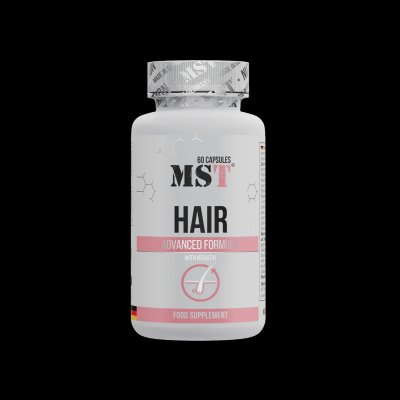 MST Hair Advanced Formula with Keratin€19.90 In stock 60caps combines biotin with keratin for a hair-focused approach.
For general hair and nail concerns without confirmed deficiency, evidence for high-dose biotin supplementation in the absence of deficiency is limited. A systematic review found that published reports of biotin improving hair and nail conditions mostly involved individuals with underlying conditions or nutritional gaps (Patel et al., 2017). If your diet is varied and balanced, very high dose biotin products may offer limited additional benefit.
References
- Mock, D. M., Quirk, J. G., & Mock, N. I. (2002). Marginal biotin deficiency during normal pregnancy. The American Journal of Clinical Nutrition, 75(2), 295-299. https://pubmed.ncbi.nlm.nih.gov/11815321/
- Mock, D. M. (2012). Biotin status: which are valid indicators and how do we know? Journal of Nutrition, 129(2S Suppl), 498S-503S.
- Patel, D. P., Swink, S. M., & Castelo-Soccio, L. (2017). A Review of the Use of Biotin for Hair Loss. Skin Appendage Disorders, 3(3), 166-169. https://pubmed.ncbi.nlm.nih.gov/28879195/
FAQ
How quickly does biotin deficiency develop?
Biotin is stored in the body only in small amounts, so deficiency can develop over weeks to a few months when intake is severely restricted or absorption is impaired. Signs of marginal deficiency — subtle hair changes or brittle nails — may appear gradually and be easy to miss.
Is hair loss always a sign of biotin deficiency?
No. Hair loss has many causes including thyroid dysfunction, iron deficiency, stress (telogen effluvium), hormonal changes, and genetic factors. Biotin deficiency is one possible cause but far from the most common. A blood panel to rule out thyroid and iron issues is worthwhile before attributing hair loss to biotin.
Can I take too much biotin?
Biotin has a low toxicity profile at supplemental doses, and no tolerable upper intake level has been established for adults. However, very high doses can interfere with certain laboratory tests — including thyroid hormone assays and troponin (cardiac marker) tests — by causing falsely abnormal results. Inform your doctor if you take high-dose biotin before bloodwork.



