
What Is Biotin and What Does It Actually Do?
Biotin (vitamin B7) is a water-soluble B-vitamin that functions as an essential cofactor for five carboxylase enzymes involved in fatty acid synthesis, gluconeogenesis, and amino acid catabolism. It is naturally present in eggs, liver, legumes, nuts, and some dairy products. Outright biotin deficiency is uncommon in the general population but can occur with prolonged consumption of raw egg whites (which contain avidin, an anti-nutrient that binds biotin), with certain medications, or during pregnancy.
The marketing story around biotin focuses almost entirely on hair, skin, and nails. The reality is more nuanced — the evidence for biotin benefits is clearest where deficiency exists, and considerably weaker for healthy, well-nourished individuals.
Primary Evidenced Benefits
Nail fragility (brittle nails) — moderate evidence. Several small clinical trials have investigated biotin supplementation for brittle nail syndrome. A controlled study found that supplementation led to a meaningful improvement in nail thickness and firmness in affected individuals (Hochman et al., 1993). The doses used were in the range of 2500 mcg (2.5 mg) per day. This remains the strongest evidence base for biotin supplementation in non-deficient adults.
Essential cofactor for energy metabolism. Biotin is a required cofactor for the enzyme pyruvate carboxylase (gluconeogenesis) and acetyl-CoA carboxylase (fatty acid synthesis). Without adequate biotin, these pathways are impaired — but this is a deficiency correction effect, not a performance enhancer in people with adequate biotin status.
Pregnancy. Marginal biotin deficiency is relatively common during pregnancy, which increases biotin catabolism. Prenatal supplementation at levels typically found in prenatal vitamins is evidence-supported for maintaining adequacy.
Secondary and Emerging Effects
Hair loss is the biotin claim with the most marketing noise and the least rigorous evidence. Most published cases of biotin reversing hair loss involve people with documented deficiency. A systematic review of the published literature found all reported cases of improvement involved pre-existing biotin deficiency or an underlying genetic condition affecting biotin metabolism (Patel et al., 2017). For someone with normal biotin status, there is currently no reliable clinical evidence that additional biotin reduces hair shedding.
Blood glucose regulation. Some animal and in vitro studies suggest biotin may support insulin sensitivity and glucose metabolism at high doses. Human evidence is preliminary and not sufficient to support supplementation for glycaemic control.
Where the Evidence Is Weak
- Hair growth and thickness in people with normal biotin status
- Skin radiance or skin barrier function as primary endpoints
- General energy or performance enhancement
- Cognitive function
The popularity of biotin beauty supplements vastly outstrips the quality of evidence for these outcomes in already-adequate individuals.
Who Gains Most
- People with brittle nail syndrome: the clearest clinical evidence favours biotin supplementation at around 2500 mcg/day.
- Pregnant women: marginal deficiency risk during pregnancy makes adequacy important.
- People with documented deficiency: from prolonged raw egg white consumption, anticonvulsant medication use, or biotinidase enzyme disorders.
- Anyone eating a consistently poor diet lacking in eggs, legumes, and nuts.
For everyone else, dietary biotin from a balanced diet is almost certainly sufficient.
Realistic Expectations
OstroVit Biotin Plus 100tabs contains biotin alongside supporting nutrients for a convenient daily dose. MST Hair Advanced Formula with Keratin 60caps pairs biotin with keratin peptides for a hair-focused approach. 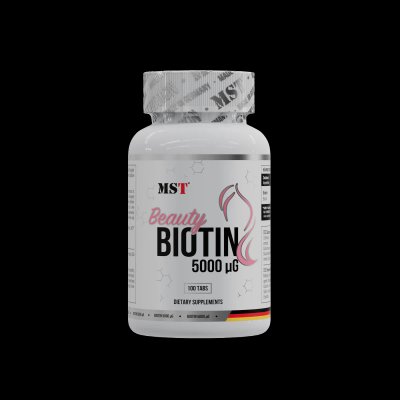 MST Beauty Biotin 5000mcg€16.90 In stock delivers a high-dose biotin option (5000 mcg per serving) for those specifically targeting brittle nails or with confirmed deficiency.
If you purchase biotin primarily hoping to address hair thinning without having tested for deficiency, temper your expectations. The supplement may do nothing meaningful if your biotin levels are already adequate — hair thinning in healthy adults is most commonly driven by iron, zinc, or ferritin status, thyroid hormones, androgens, or scalp health, not biotin. Addressing the correct root cause matters more than the supplement brand.
Biotin supplements are available at maxfit.ee in the biotiin category.
References
Hochman, L. G., Scher, R. K., & Meyerson, M. S. (1993). Brittle nails: Response to daily biotin supplementation. Cutis, 51(4), 303–305. https://pubmed.ncbi.nlm.nih.gov/8477615/
Patel, D. P., Swink, S. M., & Castelo-Soccio, L. (2017). A review of the use of biotin for hair loss. Skin Appendage Disorders, 3(3), 166–169. https://pubmed.ncbi.nlm.nih.gov/28879195/
FAQ
Does biotin actually help hair grow faster?
In people with normal biotin status, there is no reliable clinical evidence that supplemental biotin accelerates hair growth. The evidence for hair benefits is limited to cases of documented biotin deficiency or rare metabolic disorders. Common causes of hair thinning (iron, thyroid, androgens) are more likely explanations in most adults.
How much biotin should I take?
For brittle nails, clinical studies used approximately 2500 mcg (2.5 mg) per day. For general nutritional adequacy, much lower amounts (30–100 mcg/day) cover typical needs. Very high doses (5000–10000 mcg/day) are safe since biotin is water-soluble and excess is excreted, but they offer no proven additional benefit for most people.
Does biotin interfere with any lab tests?
Yes. High-dose biotin supplementation can interfere with certain immunoassay-based laboratory tests (including thyroid panels, troponin tests, and others), potentially causing falsely elevated or falsely low results. If you are having blood tests, stop biotin supplementation 48–72 hours beforehand and inform your doctor.



