Biotin for Beginners: A Complete Guide
Biotin — also known as vitamin B7 or vitamin H — is one of the most purchased supplements for hair, skin, and nail health. If you are new to biotin supplements, this guide explains what it actually does, how to start safely, what realistic results look like, and how to choose between the options available at maxfit.ee.
What Biotin Does
Biotin is a water-soluble B-vitamin that functions as a cofactor for carboxylase enzymes involved in fatty acid synthesis, gluconeogenesis, and amino acid metabolism. In skin, hair, and nail tissues, biotin is particularly important for the synthesis of keratin — the structural protein that makes up hair shafts, nail plates, and the outer layer of skin.
Biotin deficiency is associated with hair loss (alopecia), brittle nails, and skin rashes. This is the foundation for the popular use of biotin supplements: if deficiency causes these symptoms, supplementation should reverse them.
However, the critical limitation in the research is that most published trials on biotin and hair or nail growth have involved people with confirmed deficiency or specific conditions associated with poor biotin status. For individuals with adequate baseline biotin, the benefit is much less certain.
A systematic review of biotin supplementation for hair and nail growth found supporting evidence, but primarily in populations with underlying biotin-related conditions or frank deficiency (Patel et al., 2017). In otherwise healthy adults with sufficient dietary biotin, the evidence for visible hair or nail improvements is limited.
How to Start
For most adults, dietary biotin intake from eggs, liver, nuts, and legumes is sufficient for normal physiological function. Supplementation is primarily relevant for:
- People with confirmed biotin deficiency (rare but possible with strict elimination diets, long-term raw egg white consumption, or biotinidase deficiency)
- Those experiencing brittle nails with documented inadequacy
- People on valproic acid or other anticonvulsants (which impair biotin metabolism)
- Those looking for supportive supplementation alongside other hair-health strategies
Starting approach: Begin with a standard dose — most commercial biotin supplements provide 1000–5000 mcg per tablet. The commonly sold high-dose products (5000–10,000 mcg) substantially exceed physiological requirements, but biotin is water-soluble and excess is excreted rather than stored. Start with a moderate dose to avoid the laboratory interference issue described below.
OstroVit Biotin Plus 100tabs at maxfit.ee provides a clear-labelled biotin supplement. MST Hair Advanced Formula with Keratin 60caps combines biotin with keratin and other hair-support nutrients. 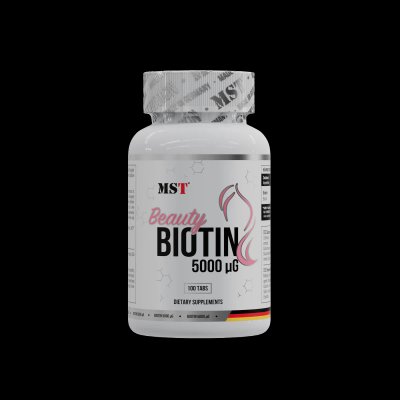 MST Beauty Biotin 5000mcg€16.90 In stock is a high-potency single-ingredient option.
What to Expect and When
Expectations should be calibrated carefully:
- If you have a genuine biotin deficiency or condition causing poor biotin utilisation, you may see nail improvements within 4–6 months and hair changes over a similar or longer period. This is based on natural growth cycles — nails grow approximately 3 mm per month.
- If you are not deficient, the effect may be minimal or imperceptible.
- Very high-dose biotin supplementation has been associated with interference with thyroid function tests and troponin assays in laboratory settings. Inform your doctor if you take high-dose biotin before any blood tests.
Common Mistakes
- Expecting rapid results: Hair growth cycles take months. Assessing effectiveness at two weeks is too early.
- Taking very high doses without reason: 10,000 mcg doses are marketed aggressively but not supported by better evidence than lower doses. They also risk laboratory interference.
- Ignoring other deficiencies: Biotin alone will not correct hair loss caused by iron deficiency, thyroid dysfunction, or telogen effluvium from caloric restriction. Address underlying causes.
- Taking biotin alone while ignoring zinc, B5, and protein: Keratin synthesis requires multiple inputs — biotin is one element in a larger picture.
- Not giving enough time: Genuine effects on nail health are measurable after 3–6 months of consistent daily supplementation.
Choosing a Product
Key factors to consider:
- Form: Capsules and tablets are equivalent in bioavailability. Gummies are popular but often contain added sugars.
- Dose: For supportive use, 1000–5000 mcg/day is typical. Higher is not more effective in adequately nourished people.
- Added ingredients: Products that combine biotin with zinc, silica, keratin, or B5 (pantothenic acid) may provide broader support for hair and nail health.
- Label transparency: Choose products from brands that list actual biotin content clearly.
At maxfit.ee you can find biotin supplements in the biotiin and nahale-juustele-ja-kuuntele categories, with options from verified brands.
References
Patel, D. P., Swink, S. M., & Castelo-Soccio, L. (2017). A review of the use of biotin for hair loss. Skin Appendage Disorders, 3(3), 166–169. https://pubmed.ncbi.nlm.nih.gov/28879195/
FAQ
Does biotin cause acne?
There is a widely circulated claim that high-dose biotin supplementation causes acne by competing with pantothenic acid (vitamin B5) for intestinal absorption. Pantothenic acid is used in sebum regulation, so theoretically, displacing it could affect skin. However, this remains largely theoretical and anecdotal. If you notice skin changes after starting biotin, consider reducing the dose or ensuring adequate B5 intake.
Can biotin supplements interfere with blood tests?
Yes — this is a real and clinically documented issue. High-dose biotin (particularly doses of 1000 mcg and above) can interfere with immunoassay-based laboratory tests, including thyroid hormone panels (TSH, T3, T4) and cardiac troponin tests. The interference can cause falsely high or low results. Always inform your doctor or laboratory if you are taking biotin supplements before blood work.
How long should I take biotin before deciding if it works?
A minimum of three months of consistent daily supplementation is the typical threshold recommended before evaluating nail benefits. For hair health, six months is more appropriate, given that hair growth is slow and influenced by many factors. Track progress with photos taken in consistent lighting conditions.



