What to Stack with Bilberry: Synergies and Conflicts
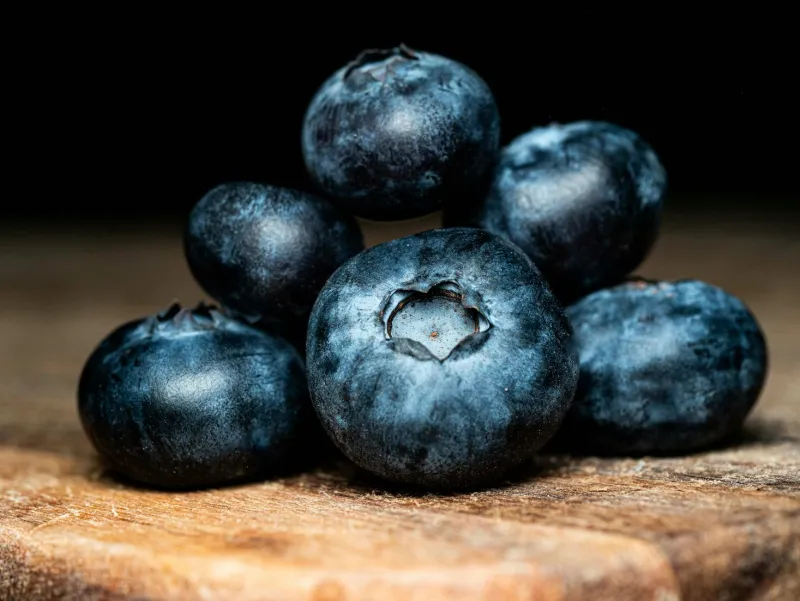
Bilberry (Vaccinium myrtillus) is a European wild berry closely related to blueberry, and its standardised extract — rich in anthocyanins — has attracted attention in sports nutrition for its antioxidant, vision-support, and vascular properties. Athletes use it primarily for oxidative stress protection during intensive training, visual acuity (particularly for precision sports), and capillary support for improved blood flow.
This guide covers which supplements synergise rationally with bilberry and which combinations to approach with caution.
Evidence-Based Synergies
Bilberry + Lutein and Zeaxanthin
For vision support specifically, bilberry anthocyanins and macular carotenoids (lutein, zeaxanthin) work through complementary mechanisms. Anthocyanins support rhodopsin regeneration and retinal blood flow, while lutein and zeaxanthin provide direct macular pigment density (Nussbaum et al., 2000). This combination is mechanistically sound and particularly relevant for athletes performing under high visual demands — eSports athletes, precision shooters, and ball sports players.
Bilberry + Vitamin C
Anthocyanins and vitamin C are both water-soluble antioxidants. Vitamin C supports the recycling of other antioxidants and contributes to collagen synthesis in capillary walls. Pairing bilberry with vitamin C amplifies the vascular antioxidant defence in a complementary way. This is a low-risk, widely used combination in eye health formulas.
Bilberry + Omega-3
Omega-3 fatty acids support retinal membrane integrity and have anti-inflammatory effects that complement bilberry's antioxidant action during heavy training. Combining the two for general oxidative stress protection and vascular health during intensive training phases is rational (Swanson et al., 2012).
Bilberry + Grape Seed Extract
Grape seed extract (standardised for OPC/proanthocyanidins) and bilberry anthocyanins both act as powerful vascular antioxidants. Combining them provides a broad-spectrum polyphenol antioxidant approach. The overlap is not problematic — polyphenol antioxidants from different sources complement rather than cancel each other.
Antagonistic Combinations
Bilberry + Anticoagulant Medications
Bilberry anthocyanins may modestly inhibit platelet aggregation. While this is unlikely to be clinically significant at normal supplement doses in healthy athletes, individuals on warfarin, heparin, or other anticoagulants should exercise caution and consult a physician before adding bilberry.
Bilberry + Antidiabetic Medications
Bilberry has been associated with modest effects on blood glucose regulation in some studies. Athletes managing blood glucose with medication should be aware of potential additive effects — not necessarily a reason to avoid, but worth monitoring.
Timing Within a Stack
- With meals: Anthocyanins from bilberry absorb well with food and the fat in a meal may help with absorption of any fat-soluble companion nutrients.
- Consistent daily use: Vision and vascular benefits from anthocyanins require consistent intake over weeks, not acute single-dose effects.
- Morning: If using alongside lutein/zeaxanthin and vitamin C, morning with breakfast is a practical timing for the complete eye and antioxidant stack.
Sample Stacks by Goal
Vision and Precision Sports Stack
- Bilberry extract (standardised for anthocyanins)
- OstroVit Lutein + Zeaxanthin 60caps (with meals)
- Vitamin C (with meals)
- Omega-3 (with meals)
Antioxidant and Vascular Recovery Stack
- Bilberry extract (with breakfast)
- OstroVit Grape Seed Extract 50g (with breakfast)
- Omega-3 (with meals)
- Vitamin C (with meals)
For related products, explore the nagemise-vitamiinid and antioksudandid categories at maxfit.ee.
What to Avoid
- Do not use bilberry as a replacement for professional eye care. It may support visual function but it is not a treatment for any eye condition.
- Avoid high-dose bilberry alongside anticoagulants without medical supervision.
- Do not expect rapid, dramatic effects. Benefits from bilberry supplementation are associated with sustained daily use, not acute single-dose outcomes.
- Check for quality standardisation. Bilberry products should be standardised to anthocyanin content (commonly 25–36%). Products without standardisation may have negligible anthocyanin content.
Honest Verdict
Bilberry is a well-tolerated, rationally useful supplement for athletes who prioritise visual acuity, oxidative stress reduction, and vascular support. Its synergy with lutein, zeaxanthin, vitamin C, omega-3, and grape seed extract is mechanistically sound. Safety conflicts are minimal for healthy athletes — the main concern is anticoagulant drug interaction, which is low-probability but worth flagging. For most athletes, bilberry fits well as part of a comprehensive antioxidant and eye health stack.
References
Nussbaum, J. J., Pruett, R. C., & Delori, F. C. (2000). Historic perspectives. Macular yellow pigment. The first 200 years. Retina, 7(4), 296-300.
Swanson, D., Block, R., & Mousa, S. A. (2012). Omega-3 fatty acids EPA and DHA: health benefits throughout life. Advances in Nutrition, 3(1), 1-7. https://pubmed.ncbi.nlm.nih.gov/22332096/
Talavera, S., Felgines, C., Texier, O., Besson, C., Gil-Izquierdo, A., Lamaison, J. L., & Remesy, C. (2005). Anthocyanin metabolism in rats and its distribution to digestive area, kidney, and brain. Journal of Agricultural and Food Chemistry, 53(10), 3902-3908.
FAQ
What is the difference between bilberry and blueberry?
Bilberry (Vaccinium myrtillus) is a European species that is smaller and has anthocyanins distributed throughout its flesh, not just the skin. Blueberry (Vaccinium corymbosum) is the cultivated North American variety. Bilberry typically has a higher anthocyanin content per gram than cultivated blueberry, which is why standardised bilberry extract is used in supplements rather than generic blueberry.
How long does it take to see results from bilberry?
Anthocyanin effects on retinal rhodopsin levels and vascular function are often studied over 4–12 weeks of consistent daily use. Short-term acute effects on visual adaptation (night vision) have been observed in some studies, but consistent, sustained use provides more reliable benefits.
Can I just eat bilberries instead of taking a supplement?
Fresh or frozen bilberries are nutritionally excellent and provide anthocyanins naturally. If you consume a significant portion of bilberries regularly, a supplement may not be necessary. Standardised extracts are useful when you want a guaranteed, consistent anthocyanin dose that may be difficult to achieve through food alone year-round.



