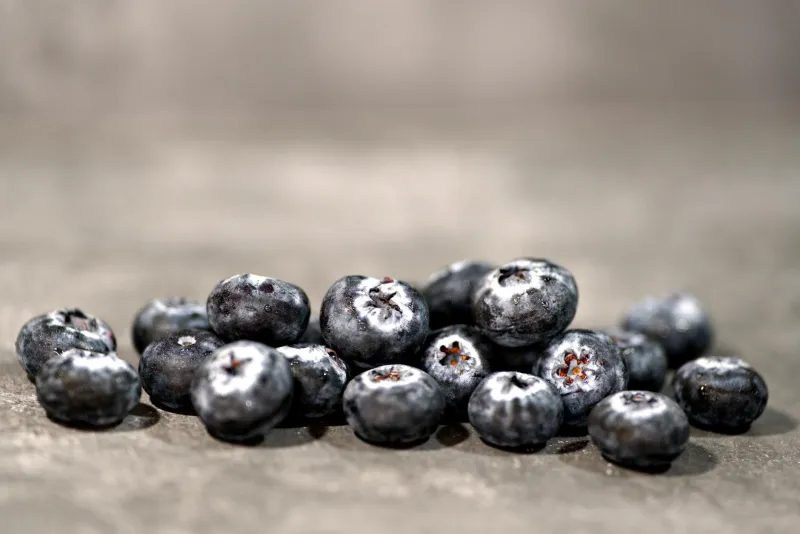
Bilberry Interactions: What You Need to Know
Bilberry (Vaccinium myrtillus) is a wild berry native to Northern and Central Europe, closely related to the American blueberry but with a distinctly higher anthocyanin density throughout the flesh, not just the skin. It is valued for its antioxidant, anti-inflammatory, and microvascular support properties. Before adding a bilberry supplement to your routine, understanding bilberry interactions with medications, nutrients, and foods can prevent unwanted side effects and help you get the most from the supplement.
The active compounds in bilberry are primarily anthocyanins — particularly cyanidin, delphinidin, petunidin, peonidin, and malvidin glycosides. These pigments are responsible for both the deep blue-purple colour and most of the pharmacological activity. They are absorbed relatively quickly in the upper gastrointestinal tract and reach peak plasma concentrations within one to two hours. Their short half-life means that once-daily dosing may not maintain stable plasma levels throughout the day.
Drug Interactions
Anticoagulants and Antiplatelet Agents
Bilberry anthocyanins may inhibit platelet aggregation through mechanisms that partly overlap with those of aspirin and related compounds. Combining bilberry with warfarin, aspirin, clopidogrel, heparin, or other blood-thinning agents could theoretically amplify bleeding risk — particularly relevant during surgery or dental procedures. If you take any anticoagulant therapy, consult your physician before adding bilberry to your regimen and do not use it as a replacement for any prescribed medication.
Antidiabetic Medications
Animal and in vitro studies suggest that bilberry extracts may influence glucose uptake and insulin sensitivity. Combined use with insulin or oral hypoglycaemics such as metformin or sulphonylureas could, in theory, lower blood sugar further than intended, leading to hypoglycaemic episodes. Patients on antidiabetic drugs should monitor glucose carefully when introducing bilberry supplements, particularly in the first few weeks.
Cytochrome P450 Interactions
Anthocyanin-rich extracts have been evaluated for effects on drug-metabolising enzymes in the CYP family. Existing evidence in humans is limited and not conclusive, so caution is appropriate when combining bilberry with narrow-therapeutic-index drugs metabolised by CYP enzymes. If you take drugs such as cyclosporin, tacrolimus, or warfarin, discuss any polyphenol supplement with your prescriber.
Chemotherapy Agents
Some anthocyanins interact with certain chemotherapy drugs in experimental models. Oncology patients should not self-initiate bilberry supplementation without explicit clearance from their oncologist.
Nutrient Competition and Synergy
Vitamin C Synergy
Vitamin C and bilberry anthocyanins work synergistically to support vascular integrity and endothelial function. Vitamin C acts as a reducing agent that can regenerate oxidised anthocyanins back to their active antioxidant form, prolonging their effectiveness. Pairing a bilberry supplement with 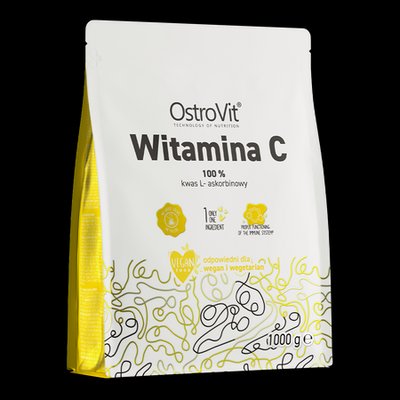 OstroVit Vitamin C€14.90 In stock 1000mg 90tabs is a practical combination supported by their complementary antioxidant mechanisms. Vitamin C also supports collagen synthesis, which bilberry indirectly benefits through its vascular effects.
Iron Absorption
Polyphenols, including anthocyanins, can form stable complexes with non-haem iron, reducing its absorption from the gut. If you take an iron supplement such as ICONFIT Capsules Ferrum + Vitamin C 90caps, separate it from bilberry by at least two hours to minimise interference. This is especially relevant for individuals with iron-deficiency anaemia who depend on iron supplementation for treatment.
Zinc
High-polyphenol intake may moderately reduce zinc absorption through chelation in the gastrointestinal tract. Taking ICONFIT Capsules Zinc N90 several hours apart from bilberry is advisable for those monitoring zinc status, such as athletes who lose zinc through sweat. The practical impact at moderate bilberry doses is likely small, but consistent separation is a sensible habit.
Omega-3 Fatty Acids
Bilberry and omega-3 fatty acids offer complementary cardiovascular and anti-inflammatory support. There are no known negative interactions between them, and they can be taken together comfortably.
Food Effects
Consuming bilberry alongside a fat-containing meal may improve absorption of its fat-soluble pigments and slow gastric transit, allowing more time for absorption in the small intestine. High-tannin beverages such as black tea and red wine consumed at the same time as bilberry can further inhibit mineral absorption and may also reduce anthocyanin stability — spacing them by at least thirty minutes is sensible. Cooking bilberries reduces anthocyanin content significantly (Castañeda-Ovando et al., 2009), so raw or freeze-dried forms retain more bioactivity. For supplementation purposes, standardised extracts provide the most consistent anthocyanin delivery regardless of seasonal berry quality.
Protein-rich meals do not interfere meaningfully with bilberry anthocyanin absorption. Dairy products have been studied for their potential to bind polyphenols — some research suggests milk proteins can reduce the bioaccessibility of tea polyphenols, and a similar effect is possible with bilberry, though the clinical magnitude is not well established.
Who Must Be Cautious
- People on anticoagulant therapy: heightened bleeding risk warrants medical supervision and regular INR monitoring if on warfarin.
- Diabetic patients: blood glucose monitoring is recommended, particularly during the first few weeks of bilberry supplementation.
- Individuals with iron-deficiency anaemia: separate bilberry from iron supplements and consider timing iron with a meal to maximise its absorption independently.
- Pregnant and breastfeeding women: safety data at supplemental doses are insufficient; prefer dietary bilberries from food, where intake is naturally moderated.
- Pre-surgical patients: stop bilberry supplements at least two weeks before elective surgery due to platelet effects.
Practical Rules
- Take bilberry with or after a light meal containing some fat to improve absorption.
- Separate iron and zinc supplements by at least two hours.
- Inform your doctor and pharmacist if you are on warfarin, aspirin, clopidogrel, or any other antiplatelet or anticoagulant medication.
- Start with modest doses and increase gradually to gauge tolerance.
- Choose standardised extracts specifying anthocyanin content — typically expressed as a percentage of total anthocyanosides.
- For consistent blood levels, consider splitting the daily dose across two intakes, morning and afternoon.
You can browse bilberry-related antioxidant supplements at maxfit.ee.
FAQ
Can bilberry lower blood pressure?
Some observational data associate high dietary anthocyanin intake with modest reductions in systolic blood pressure, and short-term intervention studies in specific populations have shown small effects. However, robust large-scale RCTs in healthy adults are lacking. Bilberry should not replace prescribed antihypertensive medications, and any cardiovascular support role is best seen as adjunctive rather than primary.
Does bilberry interact with eye vitamins?
Bilberry is often marketed for eye health, particularly for improving adaptation to low light and reducing eye fatigue. Combining it with lutein, zeaxanthin, or 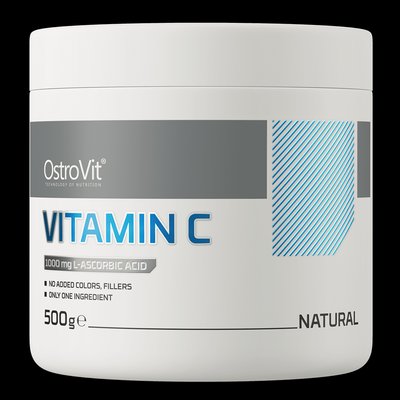 OstroVit Vitamin C€7.90 In stock 1000mg 90tabs is generally considered safe and may offer complementary support at the level of macular and retinal antioxidant defence. However, no large RCT confirms additive clinical benefit for vision outcomes such as visual acuity or contrast sensitivity.
How long does bilberry stay active in the body?
Anthocyanins are rapidly absorbed and excreted; plasma half-life is roughly two to four hours. This means a single dose provides only a few hours of peak availability. Twice-daily dosing may maintain more consistent levels throughout the day, though individual variation in absorption and metabolism is considerable, influenced by gut microbiome composition and genetic factors.
References
Castañeda-Ovando, A., Pacheco-Hernandez, M. L., Paez-Hernandez, M. E., Rodriguez, J. A., & Galan-Vidal, C. A. (2009). Chemical studies of anthocyanins: A review. Food Chemistry, 113(4), 859-871. https://doi.org/10.1016/j.foodchem.2008.09.001
Pulido, R., Bravo, L., & Saura-Calixto, F. (2000). Antioxidant activity of dietary polyphenols as determined by a modified ferric reducing/antioxidant power assay. Journal of Agricultural and Food Chemistry, 48(8), 3396-3402. https://pubmed.ncbi.nlm.nih.gov/10956123/
Chai, S. C., Davis, K., Zhang, Z., Zha, L., & Kirschner, K. F. (2019). Effects of tart cherry juice on biomarkers of inflammation and oxidative stress in older adults. Nutrients, 11(2), 228. https://pubmed.ncbi.nlm.nih.gov/30678193/



