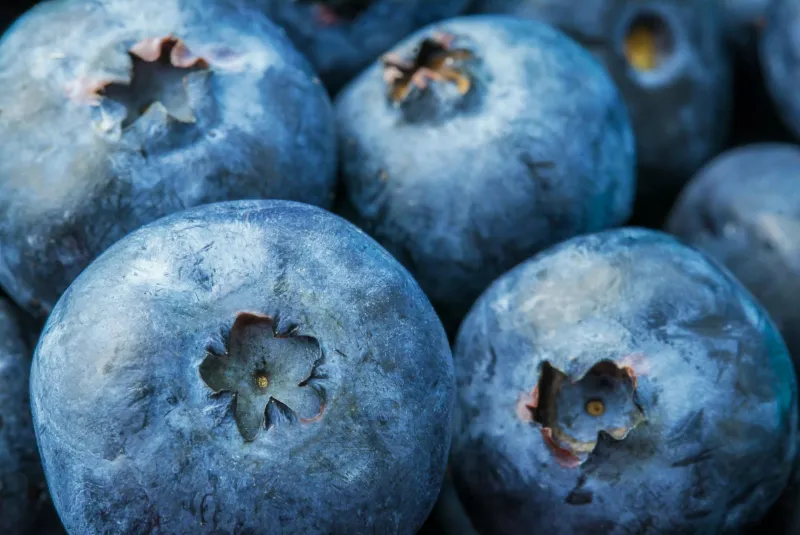
What Is Bilberry and Why Does It Matter?
Bilberry (Vaccinium myrtillus) is a wild berry native to Northern Europe, closely related to but distinct from the North American blueberry. It is significantly richer in anthocyanins — the dark blue-purple pigments responsible for most of its bioactive properties — than its commercial blueberry cousin. Bilberry anthocyanins have been studied for their effects on eye health, vascular function, oxidative stress, and inflammation.
Bilberry is not an essential nutrient, and there is no classical biochemical deficiency. However, the concept of "bilberry deficiency" is functionally meaningful: a diet chronically low in anthocyanins and polyphenols has measurable consequences for oxidative defence, retinal health, and vascular integrity — all areas where bilberry has demonstrated relevant activity in research.
Functional Deficiency: Signs You May Benefit
Poor Eye Health — Night Vision and Visual Fatigue
Bilberry's connection to eye health is its most studied claim. Anthocyanins from bilberry accumulate in the retina and may support rhodopsin regeneration — the visual pigment critical for low-light vision. Observational data and some small trials suggest that bilberry extract may support night vision and reduce visual fatigue from prolonged screen exposure (Levy and Glovinsky, 1998).
Signs that suggest low anthocyanin intake may be affecting your eyes:
- Increased difficulty adjusting from bright light to darkness
- Eye fatigue after extended screen use
- Reduced visual contrast sensitivity
Low Anthocyanin Intake
Anthocyanins are among the most poorly absorbed polyphenols; bioavailability from food is generally low, and processing (cooking, freezing, juicing) degrades them substantially. A diet low in fresh dark berries — as is common in urban Estonian winters — means anthocyanin intake can drop to negligible levels for months at a time.
People whose diets lack dark berries, red grapes, red cabbage, and other deeply pigmented plant foods are at risk of chronically low anthocyanin status.
Elevated Vascular Oxidative Stress
Bilberry anthocyanins have demonstrated endothelium-protective effects in clinical trials, supporting vascular elasticity and reducing markers of endothelial dysfunction. People with known cardiovascular risk factors — smokers, sedentary individuals, those with high oxidative stress markers — may benefit from consistent high-polyphenol intake, including bilberry.
Metabolic Syndrome Risk
Anthocyanins from bilberry and related berries have been associated with improved insulin sensitivity and reduced postprandial glucose spikes in some trials. While bilberry is not a treatment for metabolic conditions, individuals with insulin resistance who are also low in dietary polyphenols may gain a modest benefit from supplementation.
At-Risk Groups
People With Intensive Screen Exposure
Programmers, office workers, drivers, and others spending 6–10 hours daily in front of screens represent a modern at-risk group for visual fatigue. Bilberry extract — particularly standardised anthocyanin preparations — has been investigated as a visual fatigue countermeasure.
Older Adults With Declining Retinal Function
Age-related changes to the retina, including reduced rhodopsin regeneration speed and increased oxidative stress to photoreceptors, create a plausible role for bilberry's anthocyanins. Older adults consuming low-polyphenol diets are the highest-risk group.
Urban Estonians in Winter
This is highly context-specific: fresh bilberries are available in Estonia primarily from July to September. The rest of the year, dietary anthocyanin intake from this source drops to zero unless frozen or supplemented. Estonian winter diets are therefore structurally low in anthocyanins for five to seven months annually.
People With Diabetes or Vascular Risk Factors
The vascular-protective and glucose-modulating effects of bilberry anthocyanins make this group a natural candidate for supplementation, as part of a comprehensive dietary and lifestyle approach.
How Bilberry Need Is Assessed
There are no standard clinical tests for bilberry or anthocyanin status. Assessment is dietary and functional:
- Dietary assessment: A food frequency questionnaire revealing low intake of dark berries, red/purple vegetables, and deeply pigmented foods for extended periods.
- Visual function tests: Contrast sensitivity tests, dark adaptation time, and visual fatigue questionnaires are used in research settings.
- Oxidative stress markers: Urinary 8-isoprostane or plasma F2-isoprostanes reflect oxidative load.
Nordic and Estonian Context
Estonia has one of Europe's richest bilberry habitats. Wild bilberries are harvested freely in Estonian forests throughout summer, and they are a traditional part of the diet. However, urbanisation and year-round availability of imported foods means that actual bilberry consumption has declined for much of the population.
From a public health perspective, the July–September bilberry season provides a natural opportunity for high anthocyanin loading. Supplementing with standardised bilberry extract during the remaining months can maintain anthocyanin exposure that was historically more continuous through forest foraging.
When to Supplement vs. Dietary Sources
Dietary Bilberry
Fresh wild bilberries are the gold standard: high anthocyanin content, naturally bioavailable, no additives. Frozen bilberries retain a substantial portion of their anthocyanin content and are available year-round in Estonian supermarkets. Consuming a handful of frozen bilberries daily during winter is a practical, whole-food approach.
Supplemental Bilberry Extract
Standardised bilberry extract capsules are the reliable alternative when fresh or frozen berries are not accessible or practical. Standardisation to a specific percentage of anthocyanins (typically 25–36%) ensures consistent dosing. The advantage over whole berries is concentration and convenience — a 160 mg standardised extract capsule may provide an anthocyanin dose equivalent to a significantly larger quantity of fresh berries.
At maxfit.ee, products in the nagemise-vitamiinid (vision vitamins) category include OstroVit Lutein + Zeaxanthin 60caps and MST Lutein 40mg + zeaxanthin 60 softgels, which support eye health through complementary pathways (macular pigment density). Bilberry extract is a synergistic companion to lutein and zeaxanthin for comprehensive retinal support.
Practical Guidance
- Fresh or frozen bilberries daily (a handful) during in-season and winter months is the most practical dietary approach.
- Standardised bilberry extract supplements provide consistent anthocyanin dosing when berries are unavailable.
- Pair bilberry with lutein, zeaxanthin, and omega-3 for a comprehensive eye-health stack.
- Anthocyanins are fragile — store supplements away from heat and light, and avoid opening capsules into hot liquids.
FAQ
Is bilberry the same as blueberry?
No. Bilberry (Vaccinium myrtillus) and blueberry (Vaccinium corymbosum) are related but distinct species. Wild bilberry contains substantially higher anthocyanin concentrations than commercial blueberry, and its anthocyanins are distributed throughout the flesh (not just the skin), making it a more potent source per gram.
Can bilberry actually improve night vision?
Early World War II-era claims about bilberry dramatically improving night vision in RAF pilots were anecdotal and were not confirmed in later controlled trials. However, bilberry may modestly support dark adaptation and reduce visual fatigue from screen exposure — benefits that are relevant for everyday rather than dramatic contexts (Levy and Glovinsky, 1998).
How long does it take to notice effects?
Most trials testing bilberry for visual endpoints use supplementation periods of four to twelve weeks. Effects, if present, are subtle and cumulative — not immediately noticeable after a single dose.
References
Levy, Y., & Glovinsky, Y. (1998). The effect of anthocyanosides on night vision. Eye, 12(6), 967–969. https://pubmed.ncbi.nlm.nih.gov/10325997/



