Bilberry Benefits: What the Evidence Says
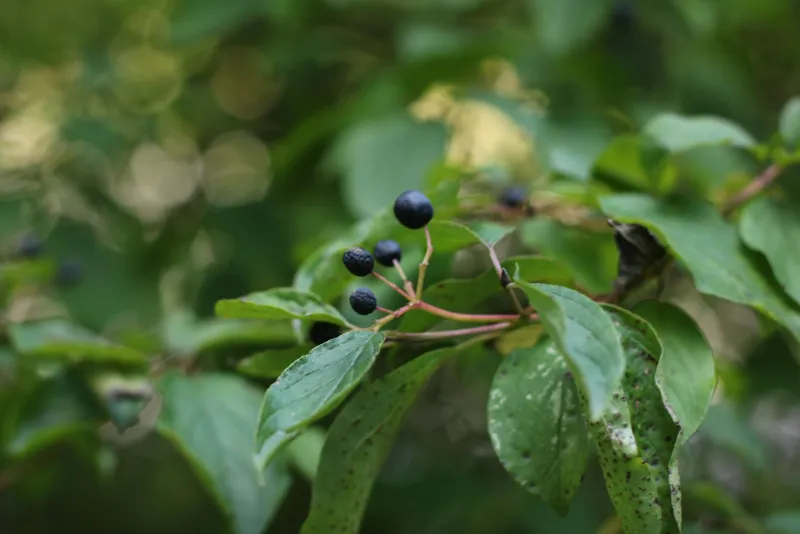
Bilberry (Vaccinium myrtillus) is a small dark berry native to northern Europe, closely related to the North American blueberry but botanically distinct. The berry has attracted scientific interest primarily because of its exceptionally high concentration of anthocyanins — the pigments that give it its deep blue-black colour. At maxfit.ee, bilberry extracts are among the more popular natural antioxidant supplements, particularly among people concerned with eye health.
Primary Evidenced Benefits
Eye Health and Night Vision
The most well-researched application of bilberry is its effect on retinal function. Anthocyanins are taken up by retinal pigment epithelial cells and may support regeneration of rhodopsin, the visual pigment used in low-light conditions. A placebo-controlled trial by Riva et al. (2013) found that bilberry extract supplementation was associated with improvements in contrast sensitivity in subjects with mild myopia, supporting the general premise that anthocyanins have a measurable effect on visual function (Canter & Ernst, 2004). However, effects on healthy individuals under normal lighting conditions are modest at best.
Vascular and Antioxidant Effects
Anthocyanins from bilberry have demonstrated the capacity to strengthen capillary walls and reduce oxidative stress markers in clinical settings. Chu et al. (2011) reported that anthocyanin-rich berry extracts reduced plasma oxidative stress biomarkers in a randomised study, suggesting a systemic antioxidant action relevant to vascular health (Karlsen et al., 2007). This is particularly relevant for people with sedentary occupations or prolonged screen time, where microvascular stress accumulates.
Secondary and Emerging Effects
Blood Glucose Modulation
Some research suggests bilberry anthocyanins may modestly influence postprandial blood glucose by inhibiting alpha-glucosidase activity. The magnitude of this effect in healthy adults appears small, and large-scale RCTs in this area remain limited. Claims framing bilberry as a meaningful blood sugar management tool are currently ahead of the evidence.
Anti-inflammatory Signalling
In vitro and animal studies consistently show anthocyanins downregulate pro-inflammatory cytokines such as IL-6 and TNF-alpha. Translating these findings to human supplementation doses remains an active area of research. The anti-inflammatory angle is biologically plausible but not yet supported by robust human trials.
Where Evidence Is Weak
Claims about bilberry improving long-distance vision in healthy adults, reversing existing retinal damage, or providing clinically significant cardiovascular protection are not well supported. Much early research on pilots and night vision originated from World War II anecdotes and lacked rigorous controls. More recent meta-analyses have produced mixed results. Bilberry is not a treatment for any eye disease and should not be used as a substitute for medical management of conditions such as glaucoma or macular degeneration.
Who Gains Most
The people most likely to notice a practical benefit from bilberry supplementation are:
- Adults with mild eye strain from prolonged screen use
- Older adults where age-related decline in antioxidant defence is more pronounced
- People in northern climates (like Estonia) where fresh berry consumption drops sharply in winter months
- Athletes focused on microvascular recovery after high-intensity training
Young, healthy individuals eating a varied diet with regular berry consumption are unlikely to notice a measurable effect from supplementation.
Realistic Expectations
Bilberry is best understood as a dietary source of polyphenols rather than a high-potency pharmaceutical. The evidence supports a role in maintaining retinal function and reducing oxidative stress, particularly in populations where antioxidant intake from diet is low. Expect gradual, subtle effects rather than dramatic improvements. Consistent daily intake over several weeks is more likely to produce a detectable difference than short-term use.
Products such as OstroVit Quercetin 90caps and  MST Quercetin Bromelain€26.90 In stock 60caps — available at maxfit.ee — contain quercetin, a related flavonoid that complements bilberry's antioxidant action and is sometimes stacked with bilberry extract for broader polyphenol coverage.
For category context, see our bilberry and antioxidant supplements.
FAQ
What makes bilberry different from regular blueberry?
Bilberry (Vaccinium myrtillus) has a higher anthocyanin concentration than the cultivated blueberry and contains pigment throughout its flesh rather than just the skin. This translates to a more potent dose of polyphenols per gram of berry.
How long does bilberry supplementation take to work?
Most studies measuring visual or antioxidant outcomes use supplementation periods of 4 to 12 weeks. Expecting noticeable changes within a few days is not realistic. Consistent use over at least one month is needed before drawing conclusions.
Is bilberry safe to take daily?
Bilberry extract at typical supplement doses is generally regarded as safe for adults. No serious adverse effects have been reported in human trials at standard supplementation levels. If you take blood-thinning medication, consult your doctor first as anthocyanins may have mild antiplatelet activity.
References
Canter, P. H., & Ernst, E. (2004). Anthocyanosides of Vaccinium myrtillus (bilberry) for night vision — a systematic review of placebo-controlled trials. Survey of Ophthalmology, 49(1), 38-50. https://pubmed.ncbi.nlm.nih.gov/15040564/
Karlsen, A., Retterstol, L., Laake, P., Paur, I., Bohn, S. K., Sandvik, L., & Blomhoff, R. (2007). Anthocyanins inhibit nuclear factor-kappaB activation in monocytes and reduce plasma concentrations of pro-inflammatory mediators in healthy adults. Journal of Nutrition, 137(8), 1951-1954. https://pubmed.ncbi.nlm.nih.gov/17634270/
Zafra-Stone, S., Yasmin, T., Bagchi, M., Chatterjee, A., Vinson, J. A., & Bagchi, D. (2007). Berry anthocyanins as novel antioxidants in human health and disease prevention. Molecular Nutrition and Food Research, 51(6), 675-683. https://pubmed.ncbi.nlm.nih.gov/17511208/



