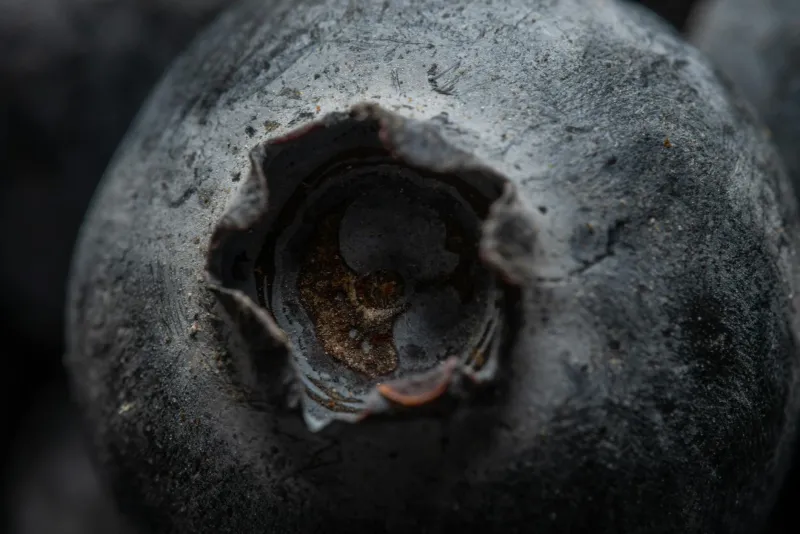
Bilberry for Beginners: What You Need to Know
Bilberry (Vaccinium myrtillus) is a small dark berry native to northern Europe that has attracted genuine scientific interest for its high anthocyanin content. If you are new to bilberry supplements, this guide covers what the research actually shows, how to start, what to expect, and how to pick a quality product.
What Bilberry Does
Bilberry's active compounds are anthocyanins — the pigments that give the berry its deep blue-purple colour. These compounds are potent antioxidants that appear to support capillary integrity and microcirculation. Research indicates bilberry anthocyanins may help protect against oxidative stress in retinal cells (Yamaura et al., 2011). There is also evidence suggesting potential benefit for eye fatigue associated with prolonged screen use, though effect sizes in human trials remain modest.
Beyond eye health, bilberry is sometimes associated with blood glucose management. A randomised trial found that bilberry consumption was linked to improvements in markers of glucose metabolism in participants with metabolic risk factors (Kolehmainen et al., 2012). These findings are interesting but should not be overstated — bilberry is a supplement, not a treatment for any condition.
Does It Help Athletes?
For active people, the antioxidant load from intense exercise can temporarily impair recovery. Bilberry's anthocyanins may support the body's antioxidant defences, though exercise-specific trials with bilberry remain limited. Most research is on general populations and eye health rather than athletic performance.
How to Start with Bilberry
For those new to bilberry, standardised extracts are more reliable than raw berry powder because the anthocyanin concentration varies widely in whole berries. Products standardised to a defined anthocyanin percentage give you a consistent dose.
A typical starting approach:
- Start with a low dose and assess tolerance before increasing.
- Take with food — bilberry extracts are generally well tolerated with a meal.
- Be consistent — potential benefits related to oxidative stress and circulation tend to be cumulative rather than immediate.
Check the category page on maxfit.ee/en/category/ravimtaimed-ja-adaptageenid for available bilberry supplement options.
What to Expect and When
Bilberry is not a stimulant and does not produce an immediate noticeable effect. Realistic expectations:
- Weeks 1–2: No dramatic change is typical. This is normal.
- Weeks 4–8: Some users report reduced eye strain and improved visual comfort, particularly when working long hours at screens.
- Long term: Consistent use supports ongoing antioxidant intake, similar to eating more berries in the diet.
If you see no change after two to three months, bilberry may simply not be the most relevant supplement for your individual needs.
Common Mistakes Beginners Make
Expecting fast results. Bilberry works slowly and subtly. Unlike caffeine or creatine, there is no acute effect to feel.
Ignoring standardisation. A product labelled simply "bilberry powder" may contain very little anthocyanin. Seek out products standardised to a known anthocyanin content.
Combining with blood-thinning medications without medical advice. Anthocyanins may affect platelet function at higher intakes. If you take prescription anticoagulants, speak with a doctor before adding bilberry.
Treating it as a cure. Bilberry research is promising but still developing. Maintain realistic expectations and do not use it in place of evidence-based treatments for any eye or metabolic condition.
Choosing a Product
When shopping for bilberry at maxfit.ee, look for:
- Standardised extract with declared anthocyanin percentage
- Third-party tested products from established brands
- Capsule or tablet formats for consistent dosing
The ravimtaimed-ja-adaptageenid category on maxfit.ee lists quality herbal and botanical supplements including antioxidant-rich berry extracts. For broader polyphenol antioxidant support alongside bilberry, OstroVit Grape Seed Extract 50g and  MST Quercetin Bromelain€26.90 In stock 60caps are complementary options.
FAQ
Is bilberry the same as blueberry?
No. Bilberry (Vaccinium myrtillus) and blueberry (Vaccinium corymbosum) are related but distinct species. Bilberry has a higher anthocyanin concentration throughout the entire berry, not just in the skin, and is the species most studied for eye health applications.
How long should I take bilberry?
Most studies use supplementation periods of four to twelve weeks. Bilberry can be taken long term as a dietary supplement, but if you are looking for a specific outcome, assess your results after two to three months and reassess whether continuing makes sense for you.
Can I eat bilberries instead of taking a supplement?
Fresh or frozen bilberries provide similar compounds. The advantage of a standardised extract supplement is consistency of anthocyanin dose. If you have access to quality fresh bilberries, incorporating them into your diet is a perfectly valid approach alongside or instead of supplementation.
References
Yamaura, K., Tanaka, R., Bi, Y., Oishi, N., Fukata, H., Ueno, K., & Ueno, K. (2011). Protective effect of bilberry (Vaccinium myrtillus L.) extracts on cultured human retinal pigment epithelial cells against blue light-induced cytotoxicity. Journal of Nutritional Science and Vitaminology, 57(6), 471–477.
Kolehmainen, M., Mykkanen, O., Kirjavainen, P. V., Leppanen, T., Moilanen, E., Adriaens, M., Laaksonen, D. E., Hallikainen, M., Puupponen-Pimia, R., Pulkkinen, L., Mykkanen, H., Gylling, H., Poutanen, K., & Torronen, R. (2012). Bilberries reduce low-grade inflammation in individuals with features of metabolic syndrome. Molecular Nutrition & Food Research, 56(10), 1501–1510. https://pubmed.ncbi.nlm.nih.gov/22961907/
Cassidy, A., Mukamal, K. J., Liu, L., Franz, M., Eliassen, A. H., & Rimm, E. B. (2013). High anthocyanin intake is associated with a reduced risk of myocardial infarction in young and middle-aged women. Circulation, 127(2), 188–196. https://pubmed.ncbi.nlm.nih.gov/23319811/



