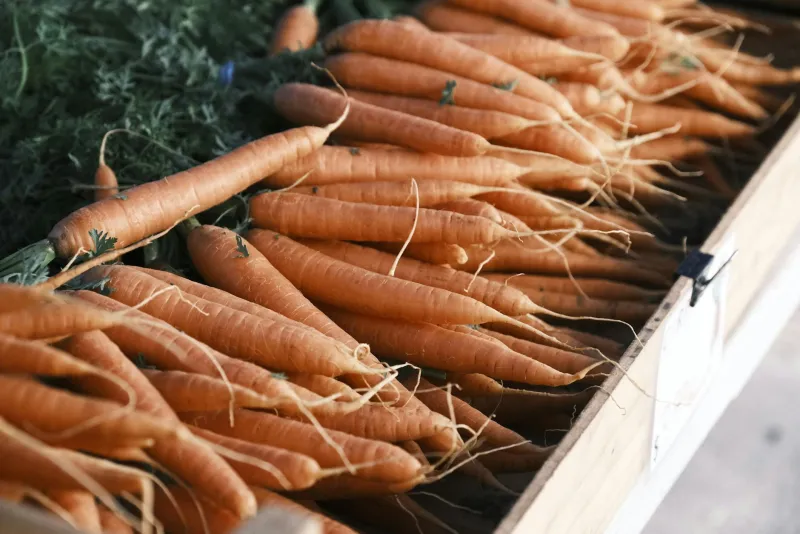
Beta-Carotene for Sleep and Stress: What the Evidence Shows
Beta-carotene is best known as a provitamin A compound found in orange and red vegetables and fruits. Its primary supplement use has traditionally been antioxidant support and vitamin A status in populations with low retinol intake. Recently, however, beta-carotene has appeared in sleep and stress supplement formulas — a positioning that warrants a careful look at the mechanism and the actual evidence.
The Mechanism for Sleep and Stress
The proposed connection between beta-carotene, sleep, and stress reduction runs through several pathways:
Antioxidant defence and oxidative stress: Psychological stress and sleep deprivation both increase markers of oxidative stress. Beta-carotene, as a fat-soluble antioxidant, scavenges reactive oxygen species (ROS) in lipid-rich environments, including brain tissue. The hypothesis is that reducing oxidative load may partially support neurological resilience under stress.
Vitamin A precursor activity: Beta-carotene converts to retinol in the body. Vitamin A (retinol) plays roles in gene expression relevant to neurological function, including supporting the integrity of epithelial tissues and modulating certain hormone pathways. Adequate vitamin A status is associated with normal physiological stress responses, though supplementation above sufficiency is unlikely to add benefit here.
Carotenoid accumulation in the brain: Carotenoids including beta-carotene accumulate in brain tissue, where they may exert local antioxidant effects. Whether this translates to meaningful sleep or stress outcomes is not well established.
It is important to note that these are mechanistic plausibilities, not established causal pathways supported by a robust clinical trial record.
RCT Evidence
Direct RCT evidence for beta-carotene supplementation specifically improving sleep quality or reducing psychological stress in healthy adults is limited. Most intervention studies with beta-carotene focus on:
- Vitamin A status correction in deficient populations
- Antioxidant combinations in disease-state populations (cardiovascular, cancer prevention)
- Skin protection from UV exposure
One area with some relevant data is the relationship between total carotenoid status and cognitive stress resilience. Higher dietary carotenoid intake has been associated with better cognitive performance and lower anxiety markers in cross-sectional studies, but these are diet-wide associations, not beta-carotene isolation studies (Polidori et al., 2009).
The ATBC trial — a large Finnish RCT involving beta-carotene supplementation — found no reduction in all-cause health outcomes in the supplemented group compared to placebo, and notably identified elevated lung cancer risk in heavy smokers. This does not directly address sleep or stress, but it is important context for high-dose long-term use.
Effective Dose and Timing
For antioxidant support, typical beta-carotene supplement doses range from around 3 to 15 mg per day. SELF Beta carotene 60caps provides a defined dose per capsule — check the label for the specific amount.
Beta-carotene is fat-soluble and should be taken with a meal containing fat to optimize absorption. Timing relative to sleep or stress episodes is not well studied; for general antioxidant support, consistent daily dosing is more important than specific timing.
Note that conversion efficiency from beta-carotene to retinol varies significantly between individuals and is lower in those with certain genetic variants (BCO1 polymorphisms). People with these variants may be poor converters and should not rely solely on beta-carotene for vitamin A status.
Who Benefits
Those most likely to benefit from beta-carotene supplementation are:
- People with low dietary carotenoid intake (limited fruit and vegetable consumption)
- Those in vitamin A-deficient regions or with specific malabsorption conditions
- Athletes with high oxidative load and poor dietary variety
In individuals with adequate carotenoid intake from a varied diet, supplementation is unlikely to produce meaningful sleep or stress benefits.
Honest Verdict
Beta-carotene has plausible mechanisms related to oxidative stress defence, which is tangentially connected to stress resilience and sleep quality. However, the direct RCT evidence for beta-carotene supplementation specifically improving sleep or stress outcomes in healthy individuals is weak. Do not purchase beta-carotene primarily as a sleep or stress supplement. If your diet is genuinely poor in carotenoids, supplementation to fill that gap may have broader health benefits, of which better stress resilience is one theoretical downstream effect.
SELF Beta carotene 60caps is available at maxfit.ee as a straightforward carotenoid supplement.
References
- Polidori, M. C., Pratico, D., Mangialasche, F., Mariani, E., Aust, O., Anlasik, T., Mang, N., Pientka, L., Stahl, W., Sies, H., Mecocci, P., & Nelles, G. (2009). High fruit and vegetable intake is positively correlated with antioxidant status and cognitive performance in healthy subjects. Journal of Alzheimer's Disease, 17(4), 921-927. https://pubmed.ncbi.nlm.nih.gov/19542607/
- van het Hof, K. H., West, C. E., Weststrate, J. A., & Hautvast, J. G. (2000). Dietary factors that affect the bioavailability of carotenoids. Journal of Nutrition, 130(3), 503-506.
FAQ
Is beta-carotene the same as vitamin A?
No. Beta-carotene is a provitamin A compound that the body can convert to retinol (vitamin A). However, conversion is variable and inefficient in some people. Preformed vitamin A (retinol) from animal sources is directly available and does not require conversion.
Can too much beta-carotene be harmful?
At high supplemental doses, beta-carotene can cause carotenodermia (orange skin pigmentation), which is harmless and reversible. More importantly, high-dose supplementation was associated with increased lung cancer risk in smokers in the ATBC trial. Avoid high-dose beta-carotene supplements if you smoke or have recently quit.
Does eating more carrots have the same effect as a supplement?
Food-derived carotenoids come with a matrix of cofactors and fibre that affects bioavailability differently than supplements. For most people with reasonable dietary variety, food sources are preferable. Supplementation is most appropriate when dietary intake is consistently low.



