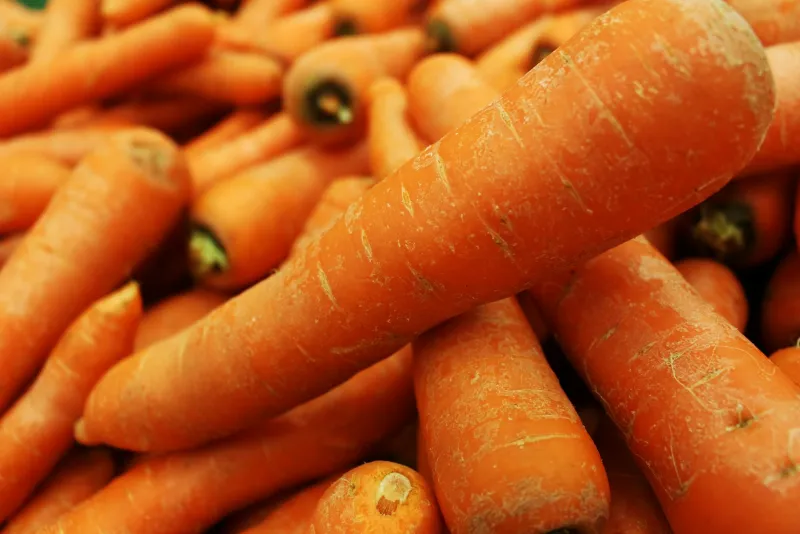
What Is Beta-Carotene and Why Do People Take It?
Beta-carotene is a fat-soluble carotenoid pigment found naturally in orange, yellow, and dark-green vegetables. The body converts it to vitamin A (retinol) on demand, making it a safer dietary source of this vitamin than preformed retinol. As a supplement, beta-carotene is marketed for skin health, eye protection, and immune support.
The single product you can find at maxfit.ee in this category is SELF Beta carotene 60caps — one of the few dedicated beta-carotene supplements available on the Estonian market.
Common and Rare Side Effects
At typical dietary levels, beta-carotene is considered safe. The most frequently reported cosmetic side effect from high supplemental doses is carotenodermia — a yellowing of the skin (particularly the palms and soles) that is harmless and reverses when intake decreases. This skin yellowing is well described in clinical reports of high carotenoid intake.
More serious concerns arise primarily with synthetic high-dose supplements in specific populations (see smokers' risk below). Gastrointestinal symptoms such as loose stools and nausea have been reported occasionally but are not common at typical doses.
Upper Safe Limits
The European Food Safety Authority (EFSA) notes that food-derived beta-carotene does not pose a safety concern. For supplements, EFSA evaluated the evidence and concluded that doses up to approximately 15 mg/day appear safe in the general non-smoking population (EFSA Panel on Food Additives and Nutrient Sources, 2012). There is no established Tolerable Upper Intake Level (UL) for beta-carotene from food in the EU, reflecting its low acute toxicity, but supplement use above 15 mg/day is not recommended without medical advice.
Drug and Nutrient Interactions
- Cholesterol-lowering drugs (statins, niacin combinations): High-dose antioxidant combinations including beta-carotene may reduce the HDL-raising effect of certain niacin therapies; evidence is limited but worth noting.
- Orlistat (weight-loss drug): Reduces absorption of fat-soluble nutrients including carotenoids.
- Vitamin E: High doses of beta-carotene may compete with vitamin E absorption; maintaining balanced intake from a varied diet is preferable to megadosing individual carotenoids.
Who Should Avoid Beta-Carotene Supplements?
The most important safety signal involves current smokers and former heavy smokers. Two large randomised controlled trials — the ATBC Study and the CARET trial (Omenn et al., 1996) — found a statistically significant increase in lung cancer incidence among smokers taking synthetic beta-carotene supplements at doses of 20–30 mg/day. This finding applies specifically to supplemental beta-carotene in active smokers and does not extend to dietary carotenoid intake. People with a history of heavy smoking should avoid beta-carotene supplements.
Other groups who should exercise caution:
- Pregnant women (excessive vitamin A activity may be teratogenic; keep within dietary levels)
- People with hypothyroidism (impaired conversion of beta-carotene to vitamin A)
- Anyone with fat-malabsorption disorders (absorption is unpredictable)
Quality and Contamination Considerations
Natural (algae-derived or palm oil-derived) and synthetic beta-carotene behave differently in clinical studies — the elevated cancer risk observed in smoker trials used synthetic forms. Choose products from reputable brands that disclose the source and undergo third-party testing. Verify that the product you purchase states the beta-carotene content clearly per serving.
Practical Takeaway
For most healthy, non-smoking adults, supplemental beta-carotene at moderate doses is unlikely to cause harm. The more meaningful question is whether supplementation is needed at all: a diet rich in colourful vegetables delivers adequate provitamin A without risk. If you choose to supplement, stay within evidence-supported doses and avoid high-dose synthetic products, especially if you smoke.
References
Omenn, G. S., Goodman, G. E., Thornquist, M. D., et al. (1996). Effects of a combination of beta carotene and vitamin A on lung cancer and cardiovascular disease. New England Journal of Medicine, 334(18), 1150–1155. https://doi.org/10.1056/nejm199605023341802
EFSA Panel on Food Additives and Nutrient Sources Added to Food. (2012). Scientific opinion on the re-evaluation of β-carotene as a food colour. EFSA Journal, 10(3), 2593. https://doi.org/10.2903/j.efsa.2012.2593
FAQ
Is beta-carotene safe for everyone?
For most healthy non-smoking adults, moderate supplemental intake is considered safe. However, active smokers face an elevated lung cancer risk from high-dose synthetic supplements and should avoid them entirely.
Can beta-carotene make your skin turn orange?
Yes — this is called carotenodermia and is a harmless, reversible yellowing of the skin caused by high carotenoid levels. It typically affects the palms and soles and resolves when intake is reduced.
Should I get beta-carotene from food or supplements?
Food sources (carrots, sweet potatoes, leafy greens) are preferred because they deliver beta-carotene alongside other carotenoids and fibre without risk of overconsumption. Supplements may be useful for specific deficiencies but are not necessary for most people eating a varied diet.



