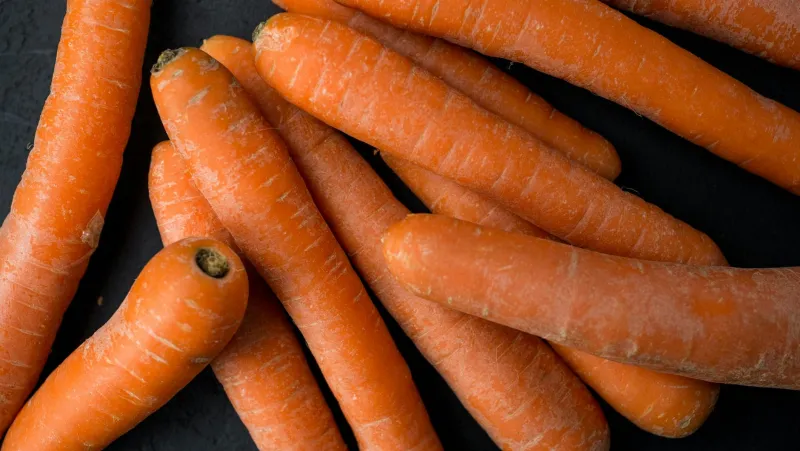
Beta-Carotene Myths vs Facts
Beta-carotene sits at a curious intersection in nutrition science: it is genuinely valuable as a dietary provitamin A found in colourful plant foods, yet synthetic high-dose supplements have produced some of the more striking cautionary findings in clinical nutrition research. Separating the well-supported facts from the myths and marketing requires a clear look at what the evidence actually says.
Myth 1: Beta-Carotene Supplements Are as Safe as Eating Carrots
Partly false. This is one of the most important distinctions in this area. Beta-carotene from food comes alongside thousands of other phytonutrients, fibres, and matrix effects that modulate how carotenoids behave in the body. High-dose isolated supplements are a different context entirely.
The CARET (Beta-Carotene and Retinol Efficacy Trial) found that high-dose supplemental beta-carotene combined with vitamin A increased lung cancer incidence and mortality in current and former heavy smokers and asbestos workers (Omenn et al., 1996). This result was consistent with the Finnish ATBC trial. At-risk populations should treat high-dose synthetic beta-carotene with caution.
Myth 2: More Beta-Carotene Always Means More Vitamin A
False. Conversion efficiency from beta-carotene to active vitamin A (retinol) is highly variable. It depends on vitamin A status, genetics (particularly BCMO1 polymorphisms), dietary fat co-ingestion, and overall carotenoid load. People with common variants in the BCMO1 gene convert beta-carotene at a fraction of the rate of efficient converters (Leung et al., 2009). Supplementing beta-carotene to address vitamin A deficiency is thus unreliable — pre-formed retinol is more predictable.
Myth 3: Beta-Carotene Is Only Relevant for Eyesight
Overly narrow. Provitamin A carotenoids contribute to skin health, immune function, and epithelial tissue maintenance. However, claiming that supplementing beta-carotene will visibly improve night vision in well-nourished people is marketing overreach — such effects are primarily relevant where genuine vitamin A deficiency exists.
What the Evidence Actually Shows
- Dietary beta-carotene from vegetables and fruits is associated with lower risk of certain cancers and cardiovascular events in population studies — but this is likely due to the full package of plant foods, not beta-carotene in isolation.
- Supplemental beta-carotene at low to moderate doses does not appear to cause the same harms found in the high-dose smoker trials.
- SELF Beta carotene 60caps and similar products at standard supplement doses are appropriate for individuals who eat few carotenoid-rich foods, as part of a broader dietary support strategy.
Marketing Claims vs Reality
| Claim | Status |
|---|---|
| "Beta-carotene turns into vitamin A naturally" | Partially true; conversion is variable |
| "Safe for everyone at any dose" | False; high doses are a risk in heavy smokers |
| "Better than eating vegetables" | False; food context matters significantly |
| "Powerful cancer protection" | Overstated; evidence is from observational diet studies |
| "Good for skin and glow" | Plausible for genuine deficiency; marginal in well-nourished adults |
Grey Areas
For non-smokers without vitamin A deficiency, moderate beta-carotene supplementation has a much more benign safety profile. The carotenodermia effect — an orange tint to skin from very high doses — is harmless and reversible.
Combining beta-carotene with other fat-soluble antioxidants (vitamin E, lycopene) at normal doses is generally considered safe. The concern arises specifically with very high isolated doses in people who smoke or have significant occupational carcinogen exposure.
Bottom Line
Beta-carotene from a varied diet of colourful vegetables is unambiguously beneficial. A moderate supplemental dose — as found in SELF Beta carotene 60caps from the beetakaroteen category at maxfit.ee — is a reasonable addition for people with low fruit and vegetable intake. Avoid high-dose beta-carotene supplements if you are a current or recent heavy smoker.
FAQ
Is beta-carotene safe if I am not a smoker?
For non-smokers, moderate supplemental doses of beta-carotene have not shown the lung cancer risk seen in the CARET and ATBC trials, which specifically enrolled high-risk individuals (heavy smokers and asbestos workers). Standard supplement doses appear to be well-tolerated in healthy non-smoking adults.
Why does my skin look orange after taking beta-carotene?
Carotenodermia is a harmless, reversible yellowing or orange tinting of the skin that can occur with high carotenoid intake — either from food (a lot of carrots or sweet potatoes) or supplements. It is not jaundice and does not indicate toxicity. Reducing intake normalises skin colour over a few weeks.
Can beta-carotene replace vitamin A supplements?
Not reliably. Beta-carotene conversion to retinol is genetically variable and context-dependent. If you have diagnosed vitamin A deficiency, pre-formed retinol is a more predictable solution than relying on beta-carotene conversion.
References
Omenn, G. S., Goodman, G. E., Thornquist, M. D., Balmes, J., Cullen, M. R., Glass, A., Keogh, J. P., Meyskens, F. L., Valanis, B., Williams, J. H., Barnhart, S., & Hammar, S. (1996). Effects of a combination of beta carotene and vitamin A on lung cancer and cardiovascular disease. New England Journal of Medicine, 334(18), 1150–1155. https://pubmed.ncbi.nlm.nih.gov/8602180/
Leung, W. C., Hessel, S., Meplan, C., Flint, J., Oberhauser, V., Tourniaire, F., Hesketh, J. E., von Lintig, J., & Lietz, G. (2009). Two common single nucleotide polymorphisms in the gene encoding beta-carotene 15,15'-monoxygenase alter beta-carotene metabolism in female volunteers. FASEB Journal, 23(4), 1041–1053. https://pubmed.ncbi.nlm.nih.gov/19103647/



