Why Beta-Carotene Absorption Varies So Much
Beta-carotene absorption is far from guaranteed. Even with a generous dietary intake or a quality supplement, the amount your body actually converts and uses can differ dramatically between individuals. Understanding the biological reasons is the first step to fixing them.
Beta-carotene is a fat-soluble carotenoid, meaning it follows the same absorption pathway as dietary fats: emulsification in the small intestine, incorporation into mixed micelles, uptake by enterocytes, and packaging into chylomicrons for lymphatic transport. Any step that disrupts fat digestion will also disrupt carotenoid absorption.
What Limits Absorption
Genetics play a large role. A common variant in the BCMO1 gene (which encodes the enzyme that converts beta-carotene to vitamin A) significantly reduces conversion efficiency in a notable portion of the population (Leung et al., 2009). If you rely on beta-carotene as your sole vitamin A source, genetic testing or a mixed strategy is worth considering.
Food matrix and processing matter too. Beta-carotene locked inside intact plant cell walls is less bioavailable than carotene from cooked or processed vegetables. Light mechanical disruption — chopping, blending, or cooking — ruptures cell walls and releases bound carotenoids.
Fat content of the meal is the single most actionable variable. Studies comparing carotenoid absorption with low-fat versus moderate-fat meals found that adding even a small amount of fat (around 3–5 g) to a carotenoid-containing meal meaningfully raises plasma carotenoid response (Brown et al., 2004).
Cofactors That Help
Several nutrients work alongside beta-carotene or support the enzymes that process it:
- Vitamin E — a co-antioxidant that may protect carotenoids from oxidation during absorption.
- Zinc — required by retinol-binding protein, which transports vitamin A (the active form) to target tissues.
- Dietary fat — as discussed, the primary enabler of micelle formation.
These cofactors need not come from the same capsule. Getting them consistently from your diet is sufficient.
Form and Timing Effects
Supplement form influences how much beta-carotene reaches the bloodstream. Oil-based softgels generally dissolve more readily in the intestinal environment than dry powder tablets, because the oil carrier directly supports micelle formation. SELF Beta carotene 60caps — available at maxfit.ee — uses a beadlet form designed for consistent dispersion.
Timing your supplement with the largest meal of the day, which typically contains the most fat, is a reliable strategy. Taking beta-carotene on an empty stomach with a glass of water is the worst scenario — absorption may be negligible.
High-dose iron supplements can interfere with beta-carotene by generating free radicals in the gut lumen; if you need both, separate them by a few hours.
Food Pairings That Work
Classic research on carotenoids consistently points to the same message: pair them with fat-containing foods. Practical examples:
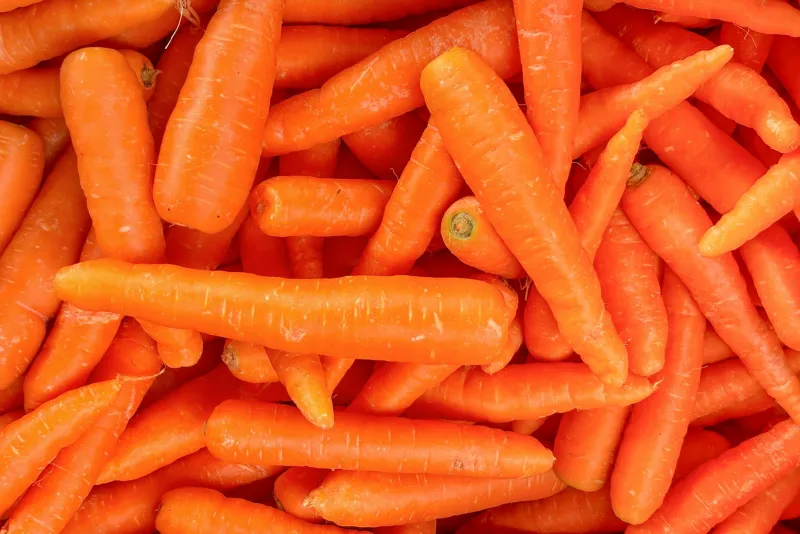
- Carrots or sweet potato with a drizzle of olive oil
- Leafy greens in a salad dressed with an oil-based dressing
- A beta-carotene capsule taken alongside a meal containing eggs, fish, or avocado
Avoiding very high-fibre meals at the exact same time (e.g., large servings of raw bran) slightly improves absorption, since certain fibres can bind carotenoids before micelle formation.
Practical Tips
- Always take beta-carotene with a meal that contains at least a moderate amount of fat.
- Prefer oil-based capsule forms over dry powder tablets.
- Lightly cook or blend carotenoid-rich vegetables rather than eating them entirely raw.
- Ensure adequate zinc in your diet to support vitamin A mobilisation.
- If you are a poor converter due to BCMO1 genetics, discuss preformed vitamin A (retinol) with a healthcare provider.
With these adjustments, you can substantially close the gap between what is listed on the label and what your body actually receives.
FAQ
Does cooking destroy beta-carotene?
No — mild heat actually increases the bioavailability of beta-carotene from vegetables by breaking down cell walls that trap the carotenoid. Only prolonged high-heat cooking causes meaningful degradation.
Should I take beta-carotene with vitamin E?
Vitamin E and beta-carotene share antioxidant functions and may support each other during absorption and in tissues. Taking them together is not harmful, but fat in the meal matters more for absorption than whether vitamin E is present.
Is synthetic beta-carotene as effective as natural?
Both synthetic all-trans beta-carotene and natural mixed-carotenoid forms from algae or palm oil are absorbed by the same pathway. Natural sources provide additional minor carotenoids, but for absorption purposes the key variable remains fat co-ingestion, not the source.
References
Leung, W. C., Hessel, S., Meplan, C., Flint, J., Oberhauser, V., Tourniaire, F., Hesketh, J. E., von Lintig, J., & Lietz, G. (2009). Two common single nucleotide polymorphisms in the gene encoding beta-carotene 15,15'-monoxygenase alter beta-carotene metabolism in female volunteers. FASEB Journal, 23(4), 1041-1053. https://pubmed.ncbi.nlm.nih.gov/19103647/
Brown, M. J., Ferruzzi, M. G., Nguyen, M. L., Cooper, D. A., Eldridge, A. L., Schwartz, S. J., & White, W. S. (2004). Carotenoid bioavailability is higher from salads ingested with full-fat than with fat-reduced salad dressings as measured with electrochemical detection. American Journal of Clinical Nutrition, 80(2), 396-403. https://pubmed.ncbi.nlm.nih.gov/15277161/



