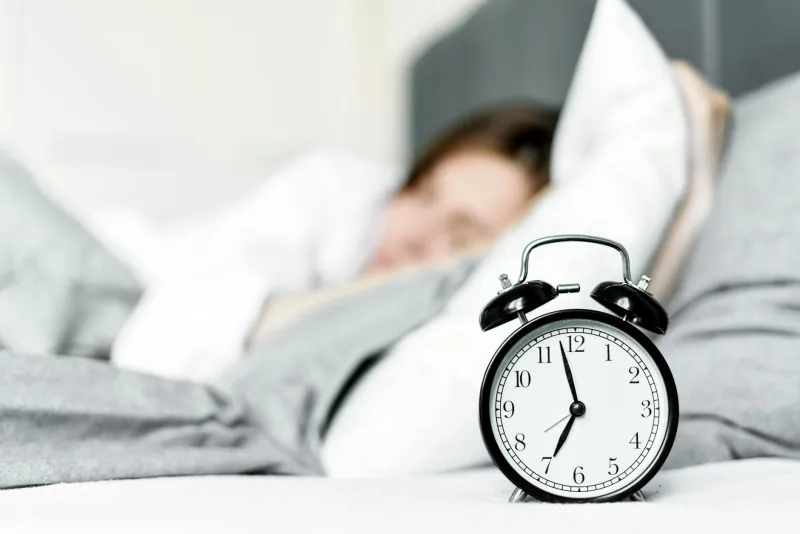
Mechanism: How Beta-Alanine Relates to Sleep and Stress
Beta-alanine is best known as a precursor to carnosine, a dipeptide found in high concentrations in skeletal muscle. When beta-alanine is supplemented, it increases muscle carnosine levels, which buffers hydrogen ions during intense exercise and helps delay the onset of muscular fatigue. This is the primary reason it appears in pre-workout formulas.
The link to sleep and stress is less direct and rests on a different mechanism. Beta-alanine is structurally similar to GABA (gamma-aminobutyric acid), the brain's primary inhibitory neurotransmitter. Some research has explored whether beta-alanine exerts mild effects on GABA receptors or related pathways in the central nervous system, which could theoretically influence anxiety and sleep.
Additionally, carnosine itself has antioxidant properties and may play a role in protecting neural tissue from oxidative stress. However, the blood-brain barrier limits how much carnosine from supplementation reaches the brain directly, so this mechanism is speculative at the doses used for muscle carnosine loading.
The famous "tingling" (paraesthesia) that beta-alanine causes — activating sensory neurons — is worth noting in the context of sleep: taking high doses close to bedtime can be stimulating rather than sedating for some users.
RCT Evidence for Sleep and Stress
Here the honest answer is: specific, direct RCT evidence for beta-alanine as a sleep or stress supplement is very limited. Most clinical research on beta-alanine has been conducted in athletic contexts, measuring exercise performance outcomes.
A study by Bellinger et al. (2012) in military personnel found that beta-alanine supplementation improved cognitive performance under conditions of sleep deprivation and high stress — but this measured performance output, not sleep quality or subjective stress itself.
The GABA-receptor hypothesis for beta-alanine's CNS effects has not been directly confirmed in humans with robust RCTs focused on sleep architecture. Until such trials exist, the sleep and stress claims for beta-alanine remain in the category of plausible but not demonstrated.
OstroVit Beta-Alanine 2400mg 150caps and MST Beta-Alanine 1200mg 60caps are available at maxfit.ee for those whose primary interest is the well-evidenced athletic application.
Effective Dose and Timing
For the athletic application (muscle carnosine loading), the commonly used dose in research is in the range of around 3.2 g to 6.4 g per day, typically divided into multiple smaller doses to reduce the intensity of the tingling sensation. Harris et al. (2006) established that a sustained supplementation protocol achieves significant muscle carnosine increases over several weeks.
For anyone specifically interested in any potential CNS or stress-related effects, timing matters practically: avoid taking beta-alanine within a few hours of intended sleep if you are sensitive to its stimulating paraesthesia effect. Evening doses may suit some users (particularly if they are desensitised to the tingling), while others find morning or pre-workout timing more comfortable.
NOW Beta Alanine 750mg 120caps offers a lower per-serving dose for those who want to build up tolerance gradually. OstroVit Beta-Alanine 200g powder allows precise dose control.
Who May Benefit
For sleep and stress specifically, the evidence does not identify a clear beneficiary population the way it does for athletic performance. The military study by Bellinger et al. (2012) suggests individuals in high-stress, sleep-deprived environments might benefit from beta-alanine's cognitive maintenance effects — but this is a very specific context.
For athletes who train intensely and also experience sleep disruption related to training load, carnosine's role in recovery and reducing oxidative stress provides an indirect rationale. But there are more direct supplements for sleep (melatonin, magnesium, L-theanine) and stress (ashwagandha) with stronger evidence in those specific areas.
Honest Verdict
Beta-alanine is one of the better-evidenced sports supplements for athletic performance, specifically in high-intensity efforts lasting one to four minutes. For sleep and stress, the evidence base is thin. The structural similarity to GABA and the carnosine antioxidant rationale are biologically interesting but have not been converted into robust clinical evidence specifically for sleep quality or stress reduction.
If you already take beta-alanine for training purposes and also want to support sleep and stress, you are not wasting money — but you should not purchase it primarily for sleep or stress management. For those goals, other supplements have a stronger and more direct evidence base.
FAQ
Can beta-alanine help me sleep better?
The direct evidence is lacking. If the tingling effect is managed (by splitting doses or timing away from bedtime), it is unlikely to harm sleep. But there is no robust clinical evidence it improves sleep quality.
Does beta-alanine reduce anxiety or stress?
There is no established clinical evidence for anxiolytic effects in humans from beta-alanine supplementation at standard doses. The GABA-receptor connection is theoretical and unconfirmed in human trials.
When is the best time to take beta-alanine if I am concerned about sleep?
Avoid taking it within two to three hours of bedtime if you find the tingling effect activating. Morning or pre-workout timing avoids any potential sleep interference.
References
Bellinger, P. M., Minahan, C. L., & Heikkila, Z. (2012). The effect of beta-alanine supplementation on isokinetic force and cycling performance in highly trained cyclists. International Journal of Sport Nutrition and Exercise Metabolism, 22(1), 14-22.
Harris, R. C., Tallon, M. J., Dunnett, M., Boobis, L., Coakley, J., Kim, H. J., ... & Wise, J. A. (2006). The absorption of orally supplied beta-alanine and its effect on muscle carnosine synthesis in human vastus lateralis. Amino Acids, 30(3), 279-289. https://pubmed.ncbi.nlm.nih.gov/16554972/
Sale, C., Saunders, B., & Harris, R. C. (2010). Effect of beta-alanine supplementation on muscle carnosine concentrations and exercise performance. Amino Acids, 39(2), 321-333. https://pubmed.ncbi.nlm.nih.gov/20091069/
Carnosine as a Neurotransmitter Modulator
Beyond the muscle-buffering role, carnosine — which beta-alanine helps synthesise — has been identified as having neuromodulatory properties. It is found in the brain's olfactory bulb and is thought to interact with zinc and copper metabolism in neural tissue. Some researchers have investigated carnosine's role in cognitive protection, particularly in the context of neurodegenerative processes.
However, it is critical to note that beta-alanine supplementation raises muscle carnosine effectively, but its effect on brain carnosine is much less certain due to the blood-brain barrier. The neuromodulatory carnosine research is largely based on direct carnosine administration or animal models, not on beta-alanine supplementation as practised by athletes.
This means consumers should not assume that buying a beta-alanine supplement will deliver the same neural effects as the carnosine research suggests. The translation pathway — beta-alanine to muscle carnosine to brain carnosine to sleep/stress benefit — has too many unverified steps to be clinically reliable.
Comparing Beta-Alanine to Better-Evidenced Sleep and Stress Supplements
For context, it is worth mapping beta-alanine against supplements with stronger direct evidence for sleep and stress outcomes:
| Supplement | Primary evidence for sleep | Primary evidence for stress |
|---|---|---|
| Melatonin | Strong (jet lag, sleep onset) | Indirect |
| Magnesium | Moderate | Moderate (muscle relaxation) |
| Ashwagandha | Moderate (sleep quality) | Strong (cortisol reduction) |
| L-Theanine | Moderate (sleep quality, relaxation) | Moderate (anxiety reduction) |
| Beta-alanine | Very limited (indirect) | Very limited (indirect) |
If sleep and stress are the primary goals, supplements like ashwagandha (ICONFIT Capsules Ashwagandha N90 or OstroVit KSM-66 Ashwagandha VEGE 120caps) or a combination sleep product (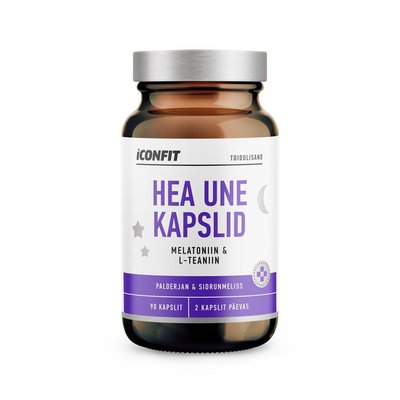 ICONFIT Capsules Good Sleep N90€12.90 In stock) have a more direct and robust evidence base.
Who Should Consider Beta-Alanine
Despite the limited sleep/stress evidence, beta-alanine remains a rational choice for athletes engaged in high-intensity interval training, team sports with repeated sprint demands, or combat sports. For these populations, the well-established muscle buffering effect translates into practical performance benefits.
Olimp Beta-Alanine Carno Rush Mega 80tabs and BIOTECHUSA Beta Alanine 90caps offer alternative product formats for athletes who prefer capsule forms at different serving sizes. MST Beta-Alanine 500g provides a large powder format for serious trainees who use beta-alanine daily as part of a structured supplementation programme.
The combination of beta-alanine for performance, magnesium for sleep quality, and ashwagandha for stress resilience — all available at maxfit.ee — represents a more scientifically rational multi-supplement approach than expecting a single product to address all three domains simultaneously.



