What Can Fat-Loss Supplements Actually Do?
The fat-burner market is full of bold promises, but the science tells a more measured story. No supplement replaces a caloric deficit and consistent exercise. That said, a handful of products have meaningful research support and can provide a modest edge when used alongside sound diet and training.
Whey Protein — The Most Underrated Fat-Loss Tool
The most underrated fat-loss supplement is a high-protein diet. Protein increases thermogenesis, reduces hunger, and preserves lean muscle mass during a caloric deficit (Leidy et al., 2015). ICONFIT Diet Whey 1kg Strawberry is a lower-calorie whey blend that also contains L-carnitine and CLA — a convenient choice for the fat-loss phase.
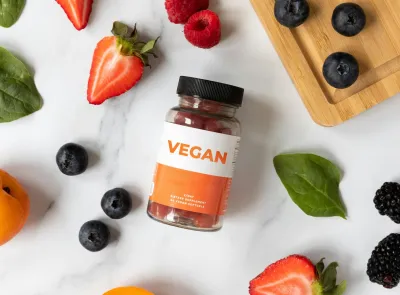
OstroVit Fat Burner VEGE 60 vcaps is a plant-based fat burner formulated with green tea extract, caffeine, and L-carnitine — suitable for vegans and those preferring stimulant-light formulas.
L-Carnitine — The Fat Transporter
L-carnitine shuttles fatty acids into the mitochondria where they are burned for energy. Research shows L-carnitine supplementation reduces fat mass and improves insulin sensitivity, particularly when combined with aerobic exercise (Pooyandjoo et al., 2016). OstroVit CLA + Green Tea + L-Carnitine 90 caps combines three popular fat-loss ingredients in a single convenient capsule.
Optimal Dosing
The evidence-supported dose for L-carnitine is 1–3 g per day. The best time to take it is before aerobic training, when fat utilisation is highest.
Green Tea Extract (EGCG)
Epigallocatechin gallate (EGCG) is the primary active compound in green tea. Meta-analyses show green tea extract increases energy expenditure by approximately 3–4% and supports fat oxidation (Hursel et al., 2009). The effect is modest but synergises well with caffeine.
CLA (Conjugated Linoleic Acid)
CLA is a natural fatty acid found in dairy and meat. Research indicates CLA supplementation reduces fat mass by approximately 0.09 kg per week compared to placebo, with effects being time-dependent (Whigham et al., 2007). CLA is better considered a long-term body composition tool rather than a rapid fat burner.
Weight Loss Kits — Convenient Starter Packs
MaxFit offers convenient bundles: Weight Loss Kit #1 (OstroVit) and Weight Loss Kit #2 (ICONFIT) are curated so the products complement each other. These are great options if you want a structured fat-loss programme without having to source each supplement separately.
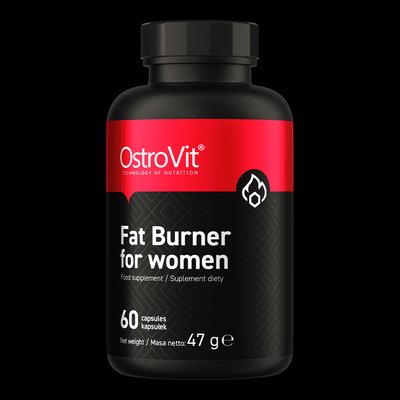 OstroVit Fat Burner for women€16.90 In stock 60caps is formulated with women's hormonal dynamics in mind, including minerals and vitamins that support female energy levels alongside fat-burning ingredients.
Fat Loss vs. Muscle Preservation
The biggest mistake in a fat-loss phase is cutting calories too aggressively, which leads to muscle loss alongside fat loss. To preserve lean mass:
| Strategy | Supplement |
|---|---|
| High protein intake | Diet Whey protein |
| Fat oxidation support | L-carnitine + green tea |
| Appetite management | High-fibre whole foods |
| Energy maintenance | B-vitamins, iron |
All products are available in the fat burners category at maxfit.ee.
Thermogenics and Caffeine-Based Supplements
Caffeine is one of the few thermogenics with strong scientific backing. It increases free fatty acid release into the bloodstream and improves exercise performance (Graham, 2001). Caffeine-based fat burners work best when tolerance is low — the weeks following a caffeine break show the strongest response.
FAQ
Do fat burners work without dieting?
No. Fat burners are modest support tools that complement a caloric deficit — they don't create one. Without appropriate diet, no supplement delivers meaningful fat loss.
How long should I take fat burners?
Most studies evaluate fat burners over 8–12 weeks. Longer use is generally safe, but for caffeine-based products, regular breaks are recommended to prevent tolerance build-up and maintain effectiveness.
Does L-carnitine work without exercise?
L-carnitine's effect is significantly greater alongside aerobic exercise. Without physical activity, the benefit is minimal — fat oxidation requires the metabolic activation triggered by training.
References
- Leidy, H. J., Clifton, P. M., Astrup, A., Wycherley, T. P., Westerterp-Plantenga, M. S., Luscombe-Marsh, N. D., ... & Mattes, R. D. (2015). The role of protein in weight loss and maintenance. The American Journal of Clinical Nutrition, 101(6), 1320S–1329S.
- Pooyandjoo, M., Nouhi, M., Shab-Bidar, S., Djafarian, K., & Olyaeemanesh, A. (2016). The effect of (L-)carnitine on weight loss in adults: a systematic review and meta-analysis. Obesity Reviews, 17(10), 970–976.
- Hursel, R., Viechtbauer, W., & Westerterp-Plantenga, M. S. (2009). The effects of green tea on weight loss and weight maintenance: a meta-analysis. International Journal of Obesity, 33(9), 956–961.
- Whigham, L. D., Watras, A. C., & Schoeller, D. A. (2007). Efficacy of conjugated linoleic acid for reducing fat mass: a meta-analysis in humans. The American Journal of Clinical Nutrition, 85(5), 1203–1211.
- Graham, T. E. (2001). Caffeine and exercise: metabolism, endurance and performance. Sports Medicine, 31(11), 785–807.