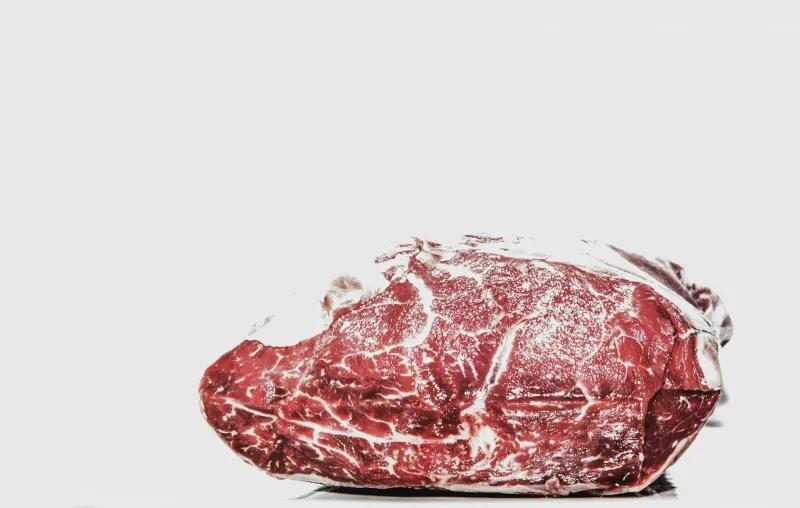
What Is Beef Protein Isolate?
Beef protein isolate is a protein powder derived from beef (primarily from collagen-rich connective tissue and muscle meat) via hydrolysis and filtration. The final product is a concentrated protein powder with ~90–95% protein by dry weight, minimal fat, and near-zero carbohydrates.
Contrary to common assumptions, this doesn't use blood products or low-grade scraps — it's processed from clean beef protein concentrate.
Manufacturing Process
Beef selection → high-temperature cooking → hydrolysis (protein broken into peptides) → filtration (removing fat and cholesterol) → spray drying.
While this sounds comprehensive, note that the high-temperature hydrolysis does denature some protein fractions. The final amino acid profile differs from whole beef muscle protein.
Amino Acid Profile
Beef protein isolate contains all 9 essential amino acids, though some are at lower concentrations than whey:
| Amino Acid | Beef Protein | Whey Isolate |
|---|---|---|
| Leucine | ~7.5% | ~10% |
| Glycine* | ~9% | ~2% |
| Proline* | ~5% | ~1% |
| Creatine precursors | Naturally present | Absent |
*Glycine and proline are the primary collagen building blocks
Natural Creatine Content
One genuine differentiator of beef protein isolate is its natural creatine content. While much lower than standalone creatine supplements, this small addition provides beef protein with a distinct nutritional advantage.
Creatine supports ATP resynthesis during anaerobic exercise — one of the most well-documented supplements on the market (Rawson & Volek, 2003).
Collagen Precursors
Beef protein isolate is rich in glycine and proline — amino acids required for collagen biosynthesis. This may support joints, cartilage, and skin health.
However: if specific joint support is the goal, purpose-formulated collagen peptide products with clinical backing are more effective (Shaw et al., 2017).
Who Is It For?
- Dairy-free diets: Excellent for lactose-intolerant individuals or those avoiding dairy on principle
- Keto/Paleo: Low carbs and high protein suits both approaches
- Joint health interest: Glycine/proline profile adds value beyond pure muscle protein
- Vegans: Not suitable — beef is an animal product
Products in Estonia
BIOTECHUSA Beef Protein 500g Vanilla-Cinnamon is a beef protein concentrate offering solid value. Available at maxfit.ee, it's a good choice for those avoiding dairy.
BioTechUSA Beef Protein 500g Chocolate-Coconut provides a different flavour option from the same line.
Taste and Mixability
Beef protein isolate is generally harder to flavour than whey. Most users find chocolate flavours the most successful. Mixability is good, though less silky than whey isolate.
Summary
Beef protein isolate is a serious whey alternative for dairy-free diets. Natural creatine and collagen precursors give it added value. For muscle building, it's comparable to whey when amino acid totals match. Explore options in the protein powders category at maxfit.ee.
FAQ
Is beef protein effective post-workout?
Yes — studies show equivalent muscle protein synthesis stimulation from beef and whey protein when amino acid totals are matched (Babault et al., 2015). The difference is minimal.
Does beef protein contain cholesterol?
Modern filtration processes remove most fat and cholesterol. Most products contain under 5 mg of cholesterol per serving — a negligible amount.
Can children use beef protein isolate?
There's no specific contraindication, but supplements are generally not the primary protein source for children. Prioritise whole foods and consult a healthcare provider before use.
References
- Rawson, E. S., & Volek, J. S. (2003). Effects of creatine supplementation and resistance training on muscle strength and weightlifting performance. Journal of Strength and Conditioning Research, 17(4), 822–831.
- Shaw, G., Lee-Barthel, A., Ross, M. L., Wang, B., & Baar, K. (2017). Vitamin C-enriched gelatin supplementation before intermittent activity augments collagen synthesis. The American Journal of Clinical Nutrition, 105(1), 136–143.
- Babault, N., Paizis, C., Deley, G., Guérin-Deremaux, L., Saniez, M. H., Lefranc-Millot, C., & Allaert, F. A. (2015). Pea proteins oral supplementation promotes muscle thickness gains during resistance training. Journal of the International Society of Sports Nutrition, 12(1), 3.
- Joy, J. M., Lowery, R. P., Wilson, J. M., Purpura, M., De Souza, E. O., Wilson, S. M., ... & Jäger, R. (2013). The effects of 8 weeks of whey or rice protein supplementation on body composition and exercise performance. Nutrition Journal, 12(1), 86.



